
Smart glasses reach pharmacy counters
Wearable cameras turn routine checkouts into potential health-data capture, HIPAA enforcement starts after the footage exists
Images
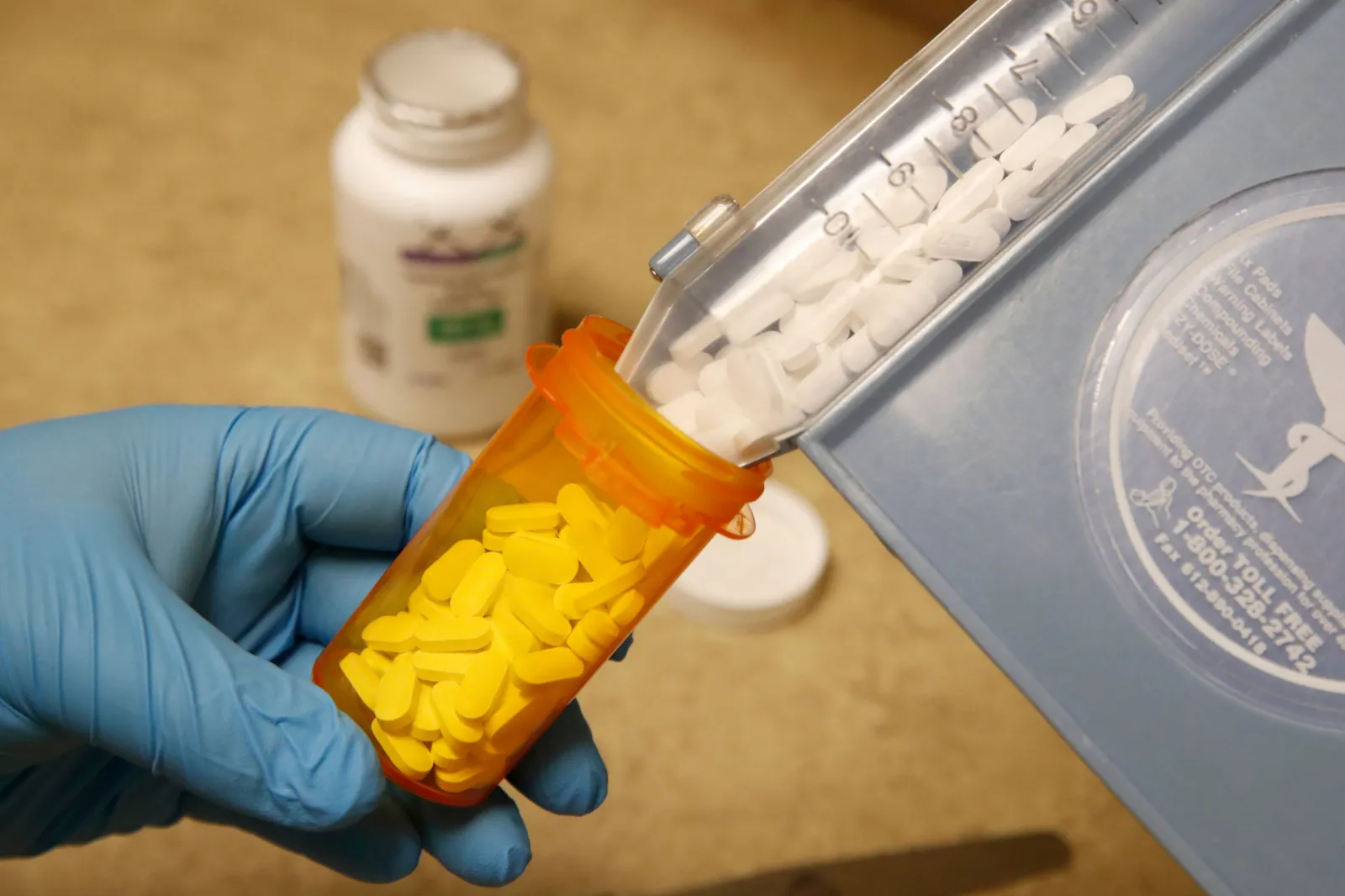 A pharmacy tech with hydroxychloroquine
newsweek.com
A pharmacy tech with hydroxychloroquine
newsweek.com
 Noemland Security: Markwayne Mullin Inherits a Mess
newsweek.com
Noemland Security: Markwayne Mullin Inherits a Mess
newsweek.com
 5 Ways the Media Is Getting Trump’s Iran War Wrong
newsweek.com
5 Ways the Media Is Getting Trump’s Iran War Wrong
newsweek.com
 Iran War Live: Tehran Keeps Hormuz Open While Restricting US, Israeli Ships
newsweek.com
Iran War Live: Tehran Keeps Hormuz Open While Restricting US, Israeli Ships
newsweek.com
 Urgent Warning Issued as Thousands Told ‘Take Cover Now!’
newsweek.com
Urgent Warning Issued as Thousands Told ‘Take Cover Now!’
newsweek.com
A Reddit post about a pharmacy technician wearing Ray-Ban Meta smart glasses has triggered a familiar kind of modern panic: the moment a customer realises that an ordinary retail interaction may also be a recording session. Newsweek reports that the customer described feeling “violated” while checking out, and contacted the pharmacy chain’s corporate customer service to complain about what they feared could be a HIPAA breach.
Ray-Ban Meta glasses are marketed as consumer wearables, but in practice they turn whoever wears them into a mobile camera operator. In a pharmacy, the camera’s field of view can include prescription labels, names, dates of birth, addresses, insurance details, and medication information—exactly the kind of data that has value far beyond the transaction itself. The customer in the thread worried not only about intentional recording but about passive capture: even if the wearer is not actively filming, the device is still a sensor pointed at protected health information.
HIPAA compliance is usually framed as a training-and-policy problem—employees must not disclose patient data, and organisations must investigate incidents and report breaches when required. But wearable cameras move the problem from “don’t share” to “don’t create.” Once video exists, it can be copied, uploaded, subpoenaed, leaked, or used in internal disputes. A technician might want a personal record to protect against accusations or to document workplace conflict; management might like footage for loss prevention, performance management, or customer disputes. Customers, meanwhile, want the pharmacy counter to remain a place where sensitive information is handled but not archived.
That collision of interests tends to end with the most risk-averse entity writing the rule. In healthcare-adjacent settings, the default outcome is often a blanket ban, not because every use is malicious, but because the organisation cannot credibly guarantee where footage goes once it leaves the building. The Newsweek report notes that HIPAA complaints can be filed with the US Department of Health and Human Services’ Office for Civil Rights, but also that covered entities typically conduct internal investigations first to determine whether a reportable breach occurred.
The Reddit poster did not name the pharmacy chain and could not confirm whether recording took place. The only concrete fact is that a retail worker wore a camera-capable consumer device while handling prescriptions, and a customer noticed.