
Inter-American court holds Peru liable for forced sterilisation death
Landmark ruling targets Fujimori-era quota programme, Accountability arrives as reparations not prosecutions
Images
 Women protesting in Lima in 2016 to highlight the forced sterilisation of at least 340,000 Peruvians in the 1990s under president Alberto Fujimori. Photograph: Antonio Escalante/Guardian
theguardian.com
Women protesting in Lima in 2016 to highlight the forced sterilisation of at least 340,000 Peruvians in the 1990s under president Alberto Fujimori. Photograph: Antonio Escalante/Guardian
theguardian.com
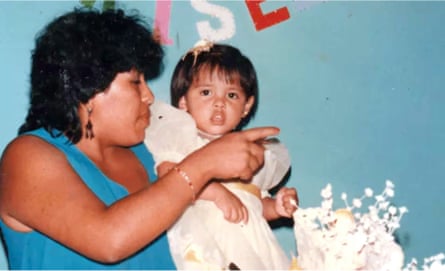 Celia Ramos with one of her children. Her eldest daughter said of the ruling: ‘We are reliving what we have carried for so many years. It is both difficult and comforting.’ Photograph: Handout
theguardian.com
Celia Ramos with one of her children. Her eldest daughter said of the ruling: ‘We are reliving what we have carried for so many years. It is both difficult and comforting.’ Photograph: Handout
theguardian.com
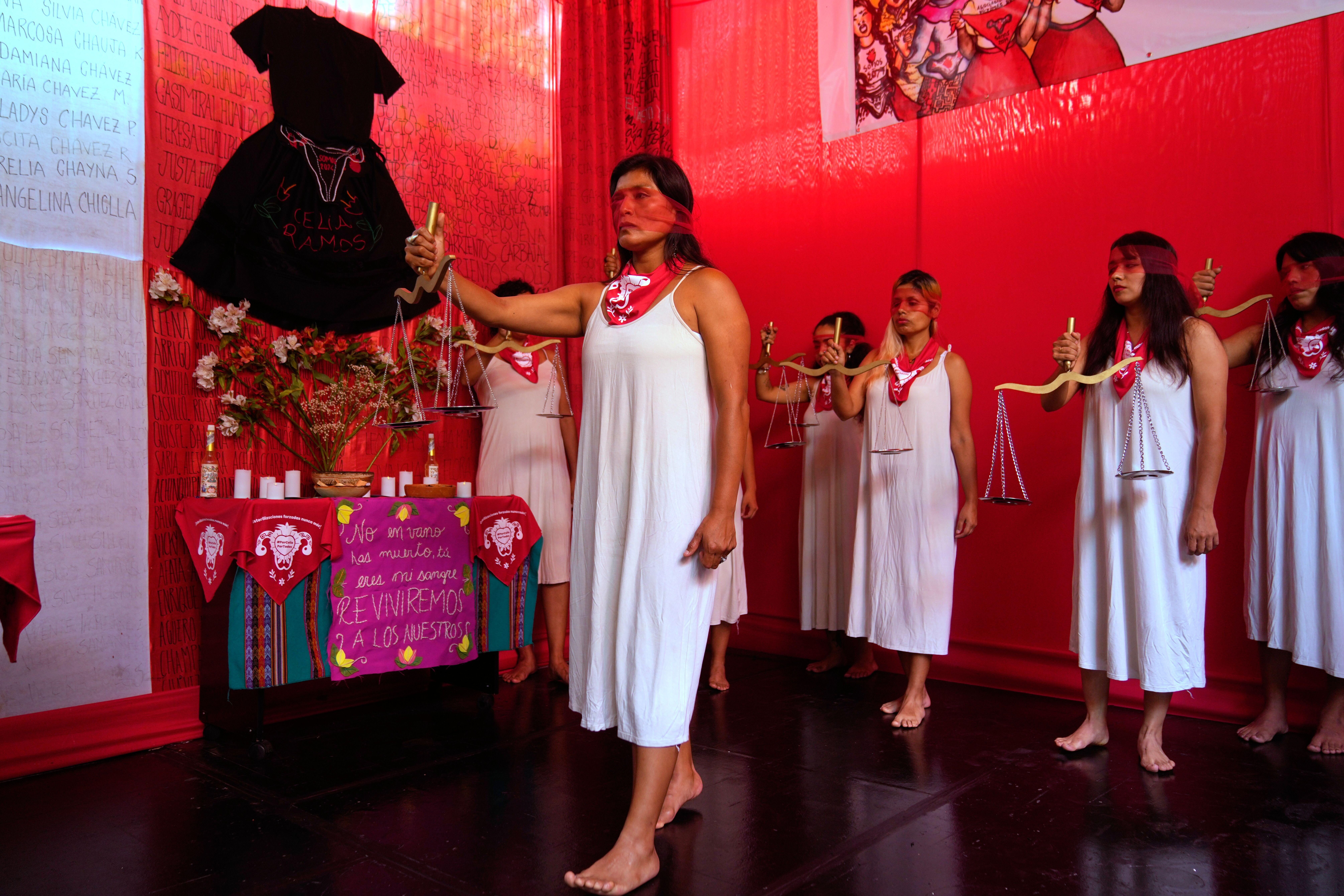 Demonstrators perform representing the female victims of a forced sterilization program under the administration of late Peruvian President Alberto Fujimori in Lima, Peru, Friday, March 6, 2026 (AP)
independent.co.uk
Demonstrators perform representing the female victims of a forced sterilization program under the administration of late Peruvian President Alberto Fujimori in Lima, Peru, Friday, March 6, 2026 (AP)
independent.co.uk
The Inter-American Court of Human Rights has ruled Peru internationally responsible for the death of Celia Ramos, a mother of three who died in 1997 after undergoing sterilisation “under coercion,” ordering reparations and condemning the state’s failures to investigate. The Guardian reports the procedure was performed on 3 July 1997 in a makeshift facility without the equipment or medicines needed to assess risk or handle emergencies; Ramos suffered a severe allergic reaction and died 19 days later.
The case is the first time the region’s highest human-rights court has issued a judgment on Peru’s mass sterilisation programme, which ran from 1996 to 2000 under president Alberto Fujimori. According to the court’s findings cited by the Guardian, the programme resulted in more than 314,000 sterilisations of women and 24,000 of men, many without valid consent, disproportionately affecting poor rural and Indigenous communities. The ruling also found Peru responsible for the harm suffered by Ramos’s children and family, and for “lack of due diligence and unjustified delay” in investigating her death.
What made the programme scalable was not surgical capacity but administrative design. The court noted that the National Reproductive Health and Family Planning Programme set numerical targets for women of child-bearing age. Targets translate policy into quotas; quotas translate into pressure at the point of care, where health workers have to hit numbers, keep jobs, and satisfy supervisors who are themselves judged by compliance. In that environment, “consent” becomes a checkbox—especially when the patient is poor, rural, and dealing with a state clinic that controls access to basic services.
The medical details described in the reporting are also institutional details. A facility without emergency medication and proper assessment is not only a clinical failure; it is a procurement and oversight failure that someone signed off on. The Guardian says Ramos was pressured by health personnel and operated on in conditions that could not handle complications. The court’s criticism of delayed investigation points to the second half of the model: once harm occurs, responsibility is dispersed across forms, committees, and jurisdictional handoffs until the event becomes nobody’s direct decision.
The Associated Press, via The Independent, reports the court ordered roughly $340,000 in reparations to Ramos’s family, including medical expenses and compensation for lost earnings. The same report notes that in 2024 Peru’s justice system overturned an indictment against Fujimori in the broader forced-sterilisation case; after his death in 2024, proceedings reverted to a complaint stage, shifting attention to other senior officials.
The ruling does not reopen the 1990s, but it does put a price on a single death inside a programme built to treat births as a line item. Ramos’s family waited 27 years for a judgment, and Peru now owes money for a surgery performed in a room that lacked the drugs to keep her alive.