
US restores diplomatic ties with Venezuela interim authorities
Embassy reopened after Maduro capture, Oil flows and recognition move faster than elections
Images
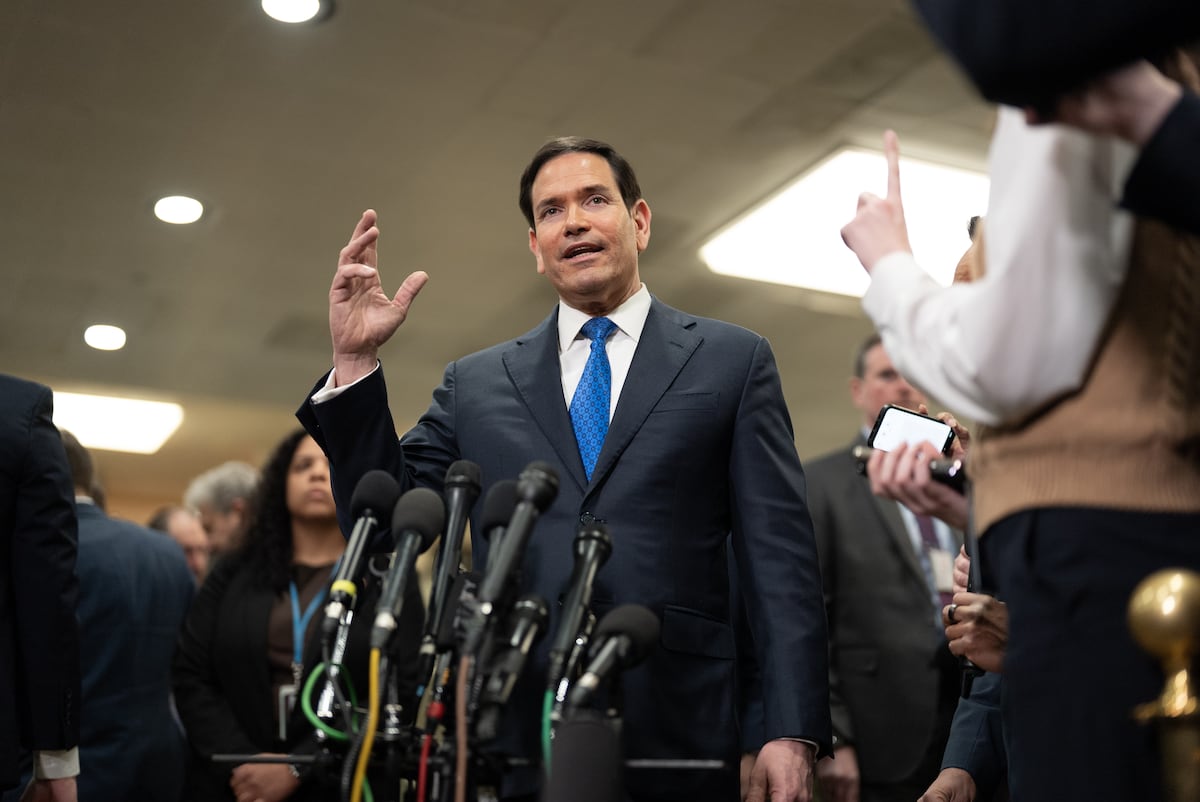 The United States and Venezuela agree to resume diplomatic relations
english.elpais.com
The United States and Venezuela agree to resume diplomatic relations
english.elpais.com
 bnonews.com
 bnonews.com
 bnonews.com
 bnonews.com
 bnonews.com
The United States said on Thursday it will restore diplomatic and consular relations with Venezuela’s “interim authorities” two months after a US military operation captured Nicolás Maduro in Caracas. According to El País, Washington has already reopened its embassy and sent senior envoy Laura Dogu, while Caracas has named former foreign minister Félix Plasencia as its representative in the United States.
The announcement formalises a relationship that has been moving in practice since Maduro’s removal, but it also clarifies what the new arrangement is for: commerce first, politics later. El País reports that Trump officials have prioritised business—especially oil—and that there is still no date for elections despite constitutional timelines for an interim government. The Supreme Court’s decision to treat Maduro’s removal as a “forced absence” rather than a “permanent absence” kept the legal machinery from triggering an urgent vote, buying time for the new authorities and their foreign backers.
That time is being used to rebuild a state-to-state channel that can be tightened or loosened with paperwork. The US statement frames engagement as a “phased process” toward a “peaceful transition,” language that sits comfortably alongside a licensing model: access to markets, payments, and exports can be granted in narrow tranches and withdrawn without changing the overall posture. Trump’s own remarks, cited by El País, leaned less on elections than on operational cooperation—“we have 50 million barrels of oil floating right now over to Houston”—and on praise for Delcy Rodríguez, the unelected interim president.
The choice of Rodríguez is the central fact of the post-Maduro order. She is a senior Chavista figure, elevated by parliament after the intervention, and now treated by Washington as both partner and template. El País notes that Trump has publicly described her as “their elected president” and even told Axios he wanted “a Delcy” to replace Iran’s killed supreme leader—an admission that Washington’s priority is a controllable counterpart more than a domestic mandate.
For Venezuela, the immediate benefit is predictable: renewed diplomatic services, a route to trade, and the return of capital flows that sanctions had blocked. The cost is that the state’s recovery becomes conditional on external permissions and on the continued acceptability of the interim leadership to Washington. In a system built on licences and waivers, the most valuable commodity is not oil or gold but the right to transact.
The US State Department’s statement did not mention an election date. It did, however, promise that restored relations would “facilitate” economic recovery—an outcome that, in Venezuela, has repeatedly depended on who controls the switch.