
India taps Russian oil floating offshore
US waiver turns sanctions into a market stabilisation tool, tankers wait for permission signals
Images
 The logo of Indian Oil is pictured outside a fuel station in Baghola, Haryana
finance.yahoo.com
The logo of Indian Oil is pictured outside a fuel station in Baghola, Haryana
finance.yahoo.com
 FILE PHOTO: Illustration shows 3D printed oil pipeline and map showing the Strait of Hormuz and Iran
finance.yahoo.com
FILE PHOTO: Illustration shows 3D printed oil pipeline and map showing the Strait of Hormuz and Iran
finance.yahoo.com
 People missing after submarine attack on Iranian military ship, IRIS Dena, off the coast of Sri Lanka
finance.yahoo.com
People missing after submarine attack on Iranian military ship, IRIS Dena, off the coast of Sri Lanka
finance.yahoo.com
 Smoke rises following an explosion, amid the U.S.-Israeli conflict with Iran, in Tehran
finance.yahoo.com
Smoke rises following an explosion, amid the U.S.-Israeli conflict with Iran, in Tehran
finance.yahoo.com
 FILE PHOTO: A man looks at a screen outside the Bombay Stock Exchange (BSE) building in Mumbai
finance.yahoo.com
FILE PHOTO: A man looks at a screen outside the Bombay Stock Exchange (BSE) building in Mumbai
finance.yahoo.com
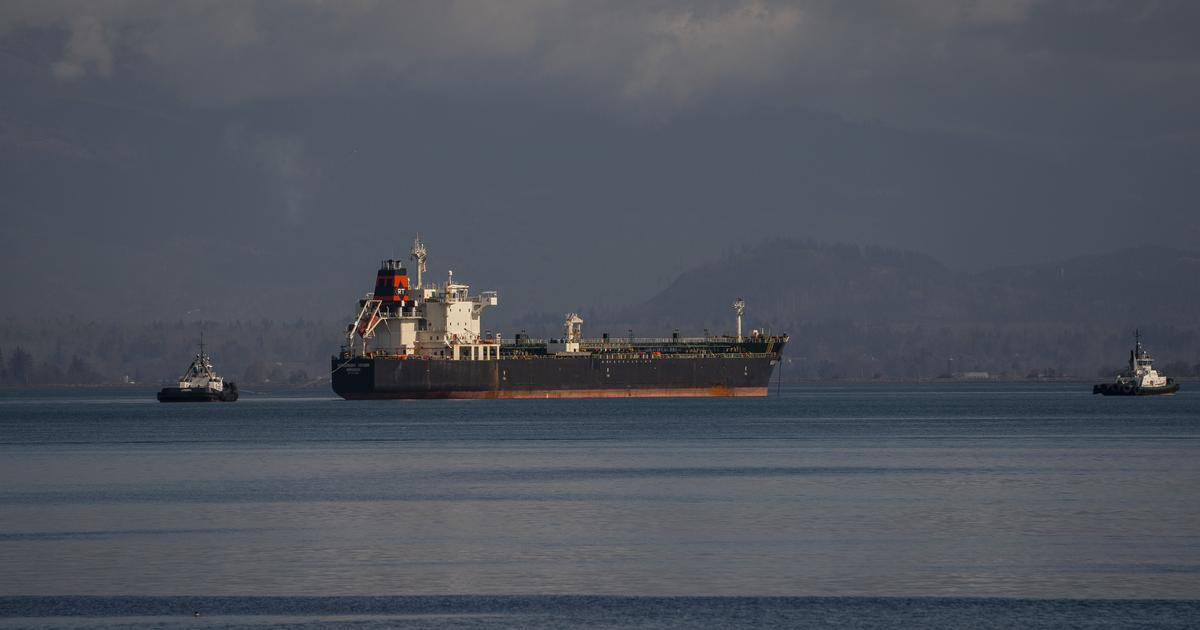 Representative image of an oil tanker
|
David Ryder/Getty Images/AFP
scroll.in
Representative image of an oil tanker
|
David Ryder/Getty Images/AFP
scroll.in
Indian refiners have started drawing on Russian crude already floating offshore after the Iran war disrupted Middle Eastern supply routes, according to Reuters. The shift comes as Washington simultaneously granted India a 30-day waiver to buy Russian oil “stranded at sea,” a carve-out U.S. Treasury Secretary Scott Bessent described as a stop-gap to keep global supplies moving.
The Reuters report describes tankers carrying Russian crude berthing at Indian ports after waiting in regional waters, with additional cargoes positioned nearby. Kpler estimates cited by Reuters put roughly 30 million barrels of Russian oil available on vessels in the Indian Ocean, Arabian Sea region and the Singapore Strait, including floating storage—volumes that can be redirected quickly depending on who is willing to buy.
The waiver clarifies what sanctions are doing in practice. India had reduced purchases earlier this year as it sought to avoid U.S. penalties and secure an interim trade deal. Now, with the Strait of Hormuz under threat and war risk premiums rising, the U.S. is prioritising price stability over maximal enforcement. The permission is narrowly drafted—oil already at sea, a short time window—but it still signals that access is contingent on Washington’s assessment of market stress.
For India, the immediate incentive is inventory. Reuters notes the country holds crude stocks covering only about 25 days of demand, leaving refiners exposed to sudden disruption. A cargo sitting offshore can be turned into feedstock within days; a replacement barrel from elsewhere can take weeks. The waiver lowers the legal and financial friction for that substitution at the moment it matters most.
The distributional effects are harder to miss. When shipping lanes become dangerous, insurance and freight prices rise first, and the bill is paid through higher fuel costs and, in many countries, emergency subsidies. A waiver for a “strategic partner” functions like a geopolitical discount: it preserves supply options for one buyer while others face tighter constraints. Scroll.in notes Indian politicians criticised the move as an affront to sovereignty; the underlying reality is that sanctions compliance is being administered as a permissions system.
The Reuters reporting also highlights the alternative path for those barrels: if Indian refiners do not take them, traders can redirect cargoes to China quickly. In a market where tankers can loiter and wait for the best political conditions, the difference between “sanctioned” and “sellable” can be a tweet, a waiver letter, and a bank willing to clear payment.
One Russian cargo docked at Paradip this week.
Another is scheduled at Vadinar on Saturday.