
Sri Lanka takes custody of Iranian support ship
US sinking of IRIS Dena pushes Indian Ocean war into neutral ports, Colombo becomes an unwilling escrow agent
Images
 Sri Lanka takes control of an Iranian vessel off its coast after US sunk an Iranian warship
independent.co.uk
Sri Lanka takes control of an Iranian vessel off its coast after US sunk an Iranian warship
independent.co.uk
 Image for representation. Sri Lankan Air Force jet fighters fly above Navy boats.
|
Dinuka Liyanawatte/Reuters
scroll.in
Image for representation. Sri Lankan Air Force jet fighters fly above Navy boats.
|
Dinuka Liyanawatte/Reuters
scroll.in
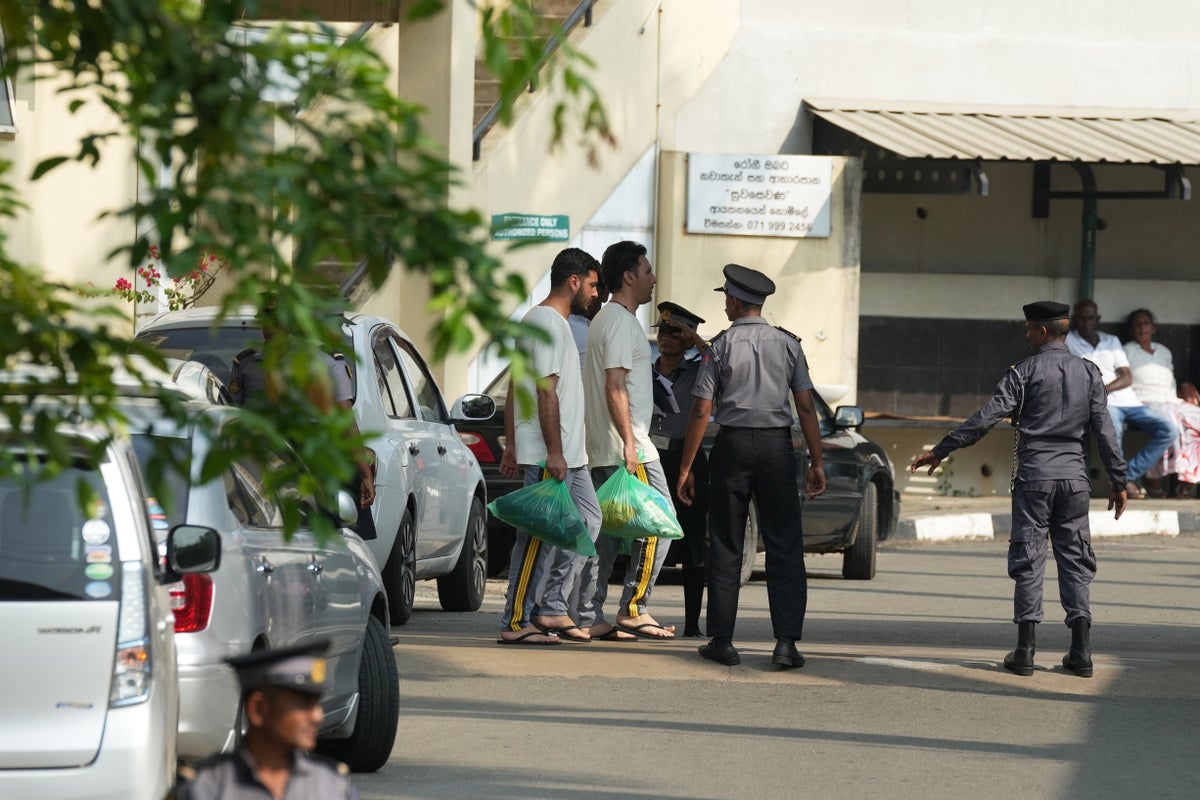
Sri Lanka began moving more than 200 Iranian sailors ashore in Colombo after an Iranian naval support ship, IRIS Bushehr, reported engine trouble while anchored just outside the island’s waters. According to The Independent, the ship will later be taken under Sri Lankan naval control to Trincomalee on the northeast coast, while crew members are processed through medical checks and immigration procedures.
The episode follows a sharp escalation offshore: a U.S. submarine torpedoed and sank the Iranian warship IRIS Dena near Sri Lanka earlier in the week, an attack Sri Lankan authorities say left dozens dead and many missing. Reuters, cited by Scroll.in, reports Sri Lanka also acknowledged a second Iranian vessel near its maritime boundary, saying it was working to “safeguard lives” in the country’s exclusive economic zone.
For a small coastal state, “neutrality” quickly turns into a set of invoices, risks and legal obligations. Once a distressed military-linked vessel is effectively interned, the host country becomes responsible for food, medical care, security, and the politically fraught question of who is allowed to board, inspect, refuel, repair, or communicate with the ship. The port authority and navy have to allocate berths, tugs, pilots and guarded storage areas, while insurers and shipping agents watch closely for any sign that a humanitarian reception is sliding into a sanctions breach.
The practical definition of a blockade is often set less by declarations than by the price of moving cargo: if underwriters refuse cover and freight rates spike, commerce stops regardless of what governments announce. That logic now reaches Sri Lanka’s harbours. Taking custody of a foreign naval logistics ship in the middle of a U.S.-Iran confrontation exposes the island to secondary effects: reputational risk for its ports, political pressure from larger partners, and the possibility that future calls for assistance become a way for belligerents to shift costs onto “neutral” jurisdictions.
Sri Lankan President Anura Kumara Dissanayake framed the decision as adherence to international treaties and a humanitarian stance, saying the situation was “not ordinary,” The Independent reports. But in practice the state is being forced into the role of escrow agent—holding a contested asset, managing its crew, and absorbing the operational burden—while the underlying conflict is decided elsewhere.
Sri Lanka’s navy says some Iranian crew will remain aboard to help navigate the Bushehr to Trincomalee.
The ship’s first stop, however, is Colombo—where immigration desks and medical triage now sit on the front line of an expanding war at sea.