
West Seattle residents challenge LIHI tiny home and RV safe lot plan
Glassyard Commons pitched as rehousing pipeline before World Cup deadline
Images
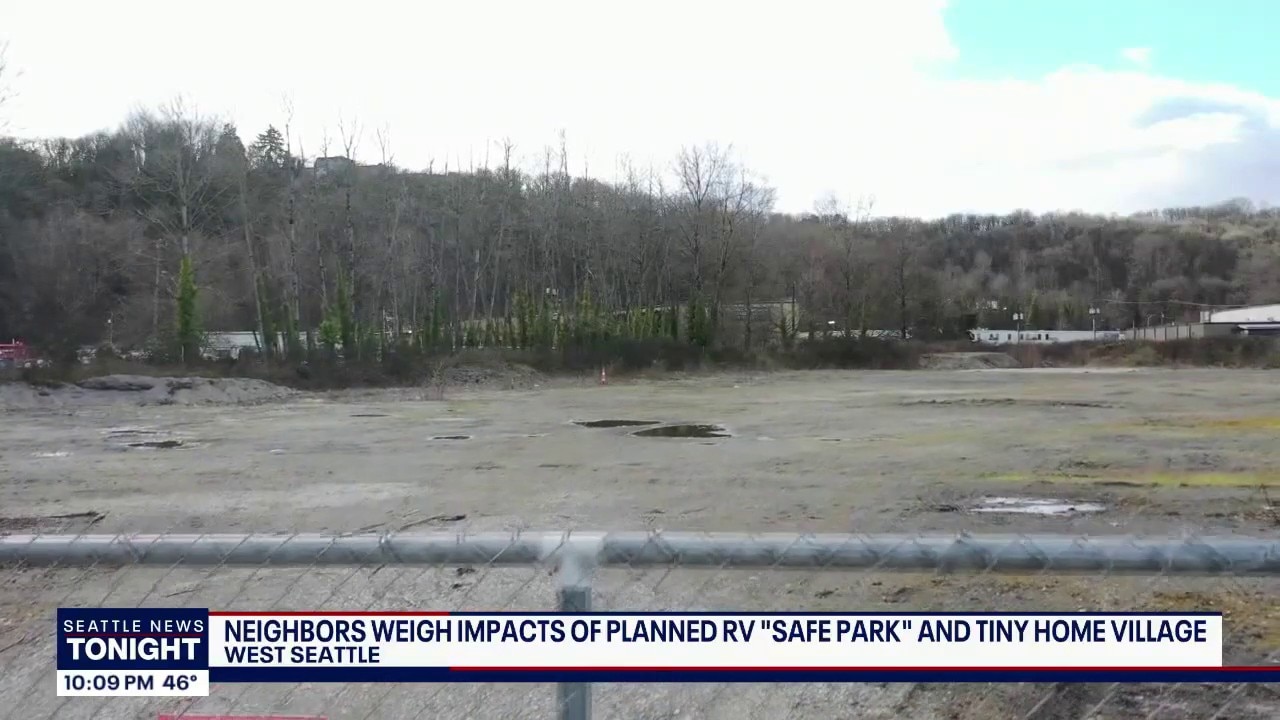 West Seattle neighbors weigh impacts of planned RV park, tiny home village
fox13seattle.com
West Seattle neighbors weigh impacts of planned RV park, tiny home village
fox13seattle.com
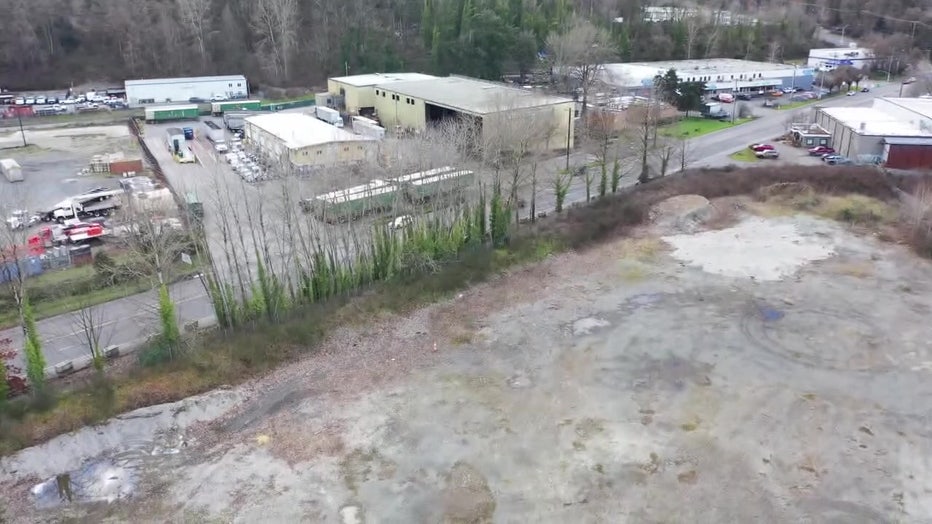 Glassyard Commons Proposal Site
fox13seattle.com
Glassyard Commons Proposal Site
fox13seattle.com
 West Seattle Homeless Encampment
fox13seattle.com
West Seattle Homeless Encampment
fox13seattle.com
More than 100 residents and business owners in West Seattle packed a community meeting this week to question a planned “safe lot” for RVs and a tiny home village that would be built near South 2nd Avenue and Marginal Way, according to FOX 13 Seattle.
The project, called Glassyard Commons and run by the Low Income Housing Institute (LIHI), is pitched as a way to move people living in RVs into more stable accommodation. LIHI representatives told the meeting the site would include 72 RV spaces, 20 tiny homes and shared amenities, with 24/7 staff and security cameras. A construction manager said a Phase 2 environmental report found “no risks” from soil conditions for the intended use.
The objections were less about the concept than the placement and permanence. FOX 13 reports neighbours said they felt “blindsided” by the plan and pressed LIHI on what standards RVs must meet, how registration would be handled, and what would happen to vehicles once residents were rehoused. LIHI staff said RVs would be disposed of once people moved on, but offered no detailed mechanism for enforcing that outcome.
Seattle’s broader homelessness strategy has increasingly relied on semi-permanent, publicly funded sites that sit somewhere between emergency shelter and housing. That model creates predictable second-order effects: the operator gains a long-lived contract and a steady flow of public money for staffing, security and services, while nearby property owners absorb the noise, traffic and perceived risk that comes with concentrating vulnerable populations in a single location.
The meeting also showed how these projects tend to become self-justifying. LIHI’s construction manager told residents that “every time we set up a village, the area becomes safer” because of cameras and on-site staff. For neighbours, that is a claim that depends on the same institution being asked to assess itself: if problems arise, the practical remedy is usually more staff, more security spending and tighter rules—costs borne by taxpayers and administered by the operator.
The city’s calendar is another pressure point. FOX 13 reports LIHI said the site could be ready to receive residents before June 1, a timeline linked to preparations ahead of the World Cup. Fast deadlines tend to reduce the value of local consultation, because the decision to proceed is already embedded in procurement, permitting and political commitments.
One attendee, a local community coalition member, told FOX 13 she supported the model but wanted it distributed across the city rather than concentrated in a few neighbourhoods. That is the central conflict in miniature: a citywide problem financed collectively, and a site-specific burden experienced locally.
LIHI told the meeting the planned layout is 72 RV spaces and 20 tiny homes.
Construction could begin within two months.