
Oasis demands Kao shareholder meeting on supply chain risks
Whistleblower claims cite deforestation and human rights links, Governance fight turns procurement into a vote
Images
 Kao is facing increasing pressure from activist fund Oasis Management for an independent investigation into its supply-chain practices.
japantimes.co.jp
Kao is facing increasing pressure from activist fund Oasis Management for an independent investigation into its supply-chain practices.
japantimes.co.jp
 A solar farm in Nakai, Kanagawa Prefecture, in March 2016. Japan gets about a tenth of its electricity from solar panels despite having nearly no domestic production of photovoltaics (PVs).
japantimes.co.jp
A solar farm in Nakai, Kanagawa Prefecture, in March 2016. Japan gets about a tenth of its electricity from solar panels despite having nearly no domestic production of photovoltaics (PVs).
japantimes.co.jp
 As Japan accelerates AI adoption, policymakers and corporations frame the technology as essential to offsetting a projected labor shortfall of 11 million workers by 2040.
japantimes.co.jp
As Japan accelerates AI adoption, policymakers and corporations frame the technology as essential to offsetting a projected labor shortfall of 11 million workers by 2040.
japantimes.co.jp
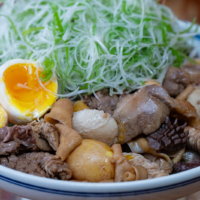 Inaka no Taiho: Chinese restaurant offers experience of ‘receiving life’
japantimes.co.jp
Inaka no Taiho: Chinese restaurant offers experience of ‘receiving life’
japantimes.co.jp
Activist fund Oasis Management is pushing Kao to call an extraordinary general meeting to vote on an independent investigation into the company’s supply-chain risk management and internal controls, according to The Japan Times. Oasis said it had received whistleblower allegations involving Kao’s supply-chain practices, including potential links to deforestation and human rights violations, and urged shareholders to back a proposal for an external review.
The immediate market reaction was modest: Kao shares pared early gains and dipped as much as 0.8% in Tokyo after the request became public, Bloomberg reporting via The Japan Times. Kao said it was reviewing the request and declined further comment.
The episode shows how supply-chain language has become a lever in corporate governance rather than a side issue for sustainability reports. An extraordinary meeting is a hard, procedural demand: it forces management to allocate time, disclose process, and potentially accept outside scrutiny that can expand beyond the original allegations. Even if the investigation finds limited wrongdoing, the process can still reshape procurement rules, auditing budgets, and board oversight—costs that sit inside operating margins.
For an activist fund, this is also a tradable catalyst. Supply-chain risk is broad enough to encompass everything from commodity sourcing and subcontracting to documentation standards and grievance mechanisms. That breadth allows an activist to frame the issue as a control failure rather than a one-off incident, raising the stakes from “fix this supplier” to “prove your governance works.” If the company resists, the refusal itself becomes part of the case to other shareholders.
For Kao, the incentives run the other way. Supply chains are built for reliability and price, not for being litigated in public. A company can tighten standards quickly on paper, but the underlying network of suppliers, intermediaries, and regional compliance norms changes slowly. An independent investigation risks producing recommendations that are expensive to implement, difficult to verify, and easy to revisit at the next annual meeting.
Oasis is asking shareholders to vote on whether Kao should commission an external review. The company’s response will determine whether the dispute stays in the realm of statements—or moves into board minutes, audit scopes, and procurement contracts.