
House Oversight subpoenas Pam Bondi over Epstein files
Bipartisan vote follows dispute over transparency law compliance, Congress moves from demanding documents to demanding the gatekeeper
Images
 Lawmakers press AG Pam Bondi for answers over Epstein files
foxnews.com
Lawmakers press AG Pam Bondi for answers over Epstein files
foxnews.com
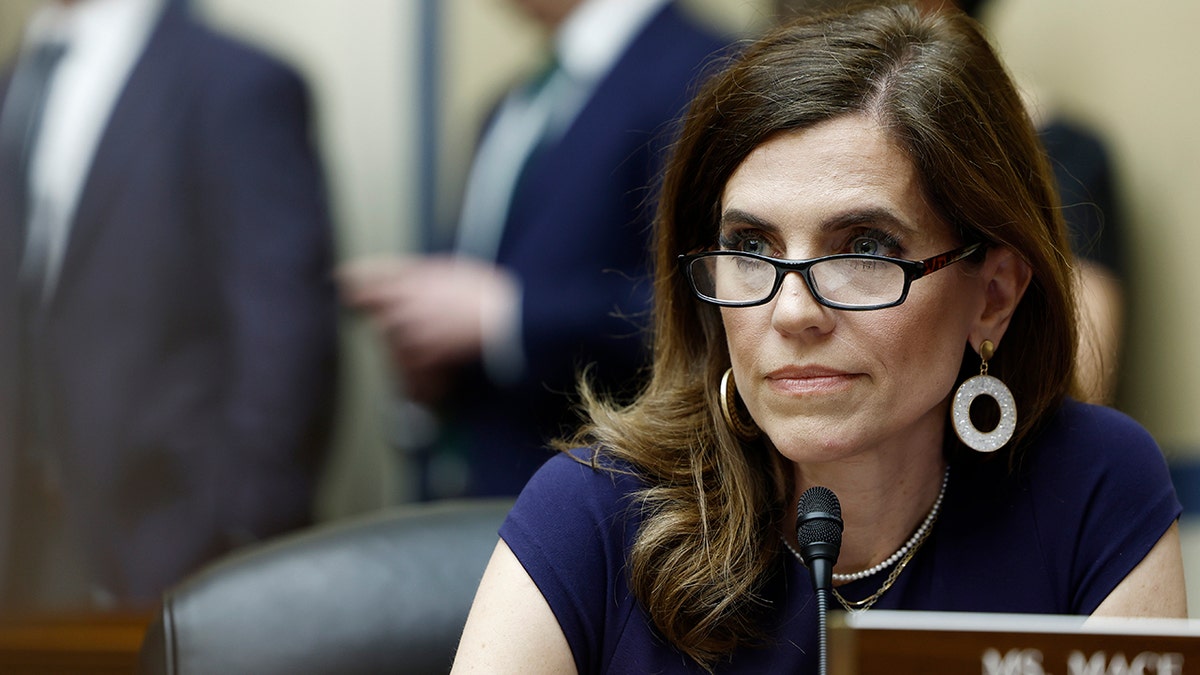 Rep. Nancy Mace looks on during House hearing in Washington, D.C.
foxnews.com
Rep. Nancy Mace looks on during House hearing in Washington, D.C.
foxnews.com
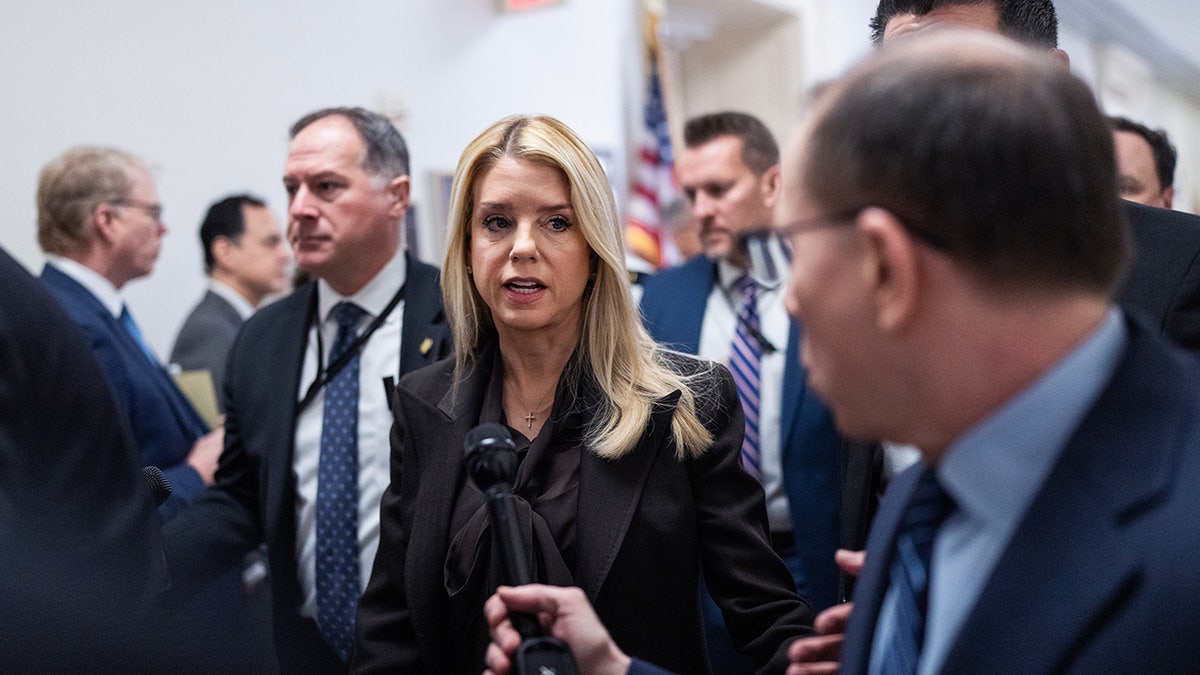 Chad Pergram asks Attorney General Pam Bondi questions before Capitol Hill hearing
foxnews.com
Chad Pergram asks Attorney General Pam Bondi questions before Capitol Hill hearing
foxnews.com
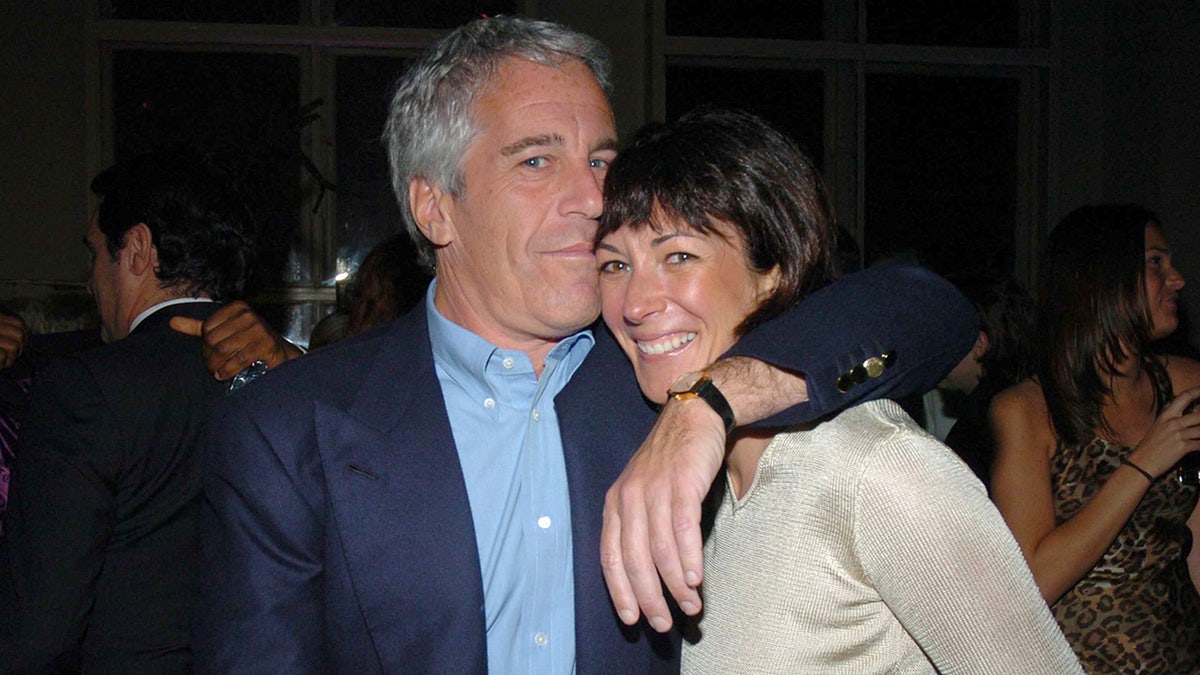 Epstein and Maxwell
foxnews.com
Epstein and Maxwell
foxnews.com
 Republicans Jump Party Lines to Force Bondi to Testify on Epstein Files
thedailybeast.com
Republicans Jump Party Lines to Force Bondi to Testify on Epstein Files
thedailybeast.com
The House Oversight Committee voted 24–19 on Wednesday to subpoena US attorney general Pam Bondi over the Justice Department’s handling of the so-called Epstein files. Five Republicans—Nancy Mace, Lauren Boebert, Tim Burchett, Michael Cloud and Scott Perry—joined Democrats to advance the subpoena, according to Fox News and The Daily Beast.
The immediate trigger is a law Congress passed last year. The Epstein Files Transparency Act, signed in November 2025, required the department to release investigative material related to Jeffrey Epstein and his associates, with victim identities protected. Bondi has said the department has released “all” of the files; critics in both parties say the deadline has passed and the disclosure remains incomplete.
What the committee is really fighting over is control of the bottleneck. If the Justice Department sits on the archive, it can cite victim protection, ongoing investigative sensitivities, and legal exposure to slow-walk releases—arguments that are difficult to rebut from the outside because the underlying material is not public. If Congress forces testimony under subpoena, lawmakers can reframe the question from “what can legally be released” to “who decided what to withhold”, and then turn that dispute into a political asset.
Bondi’s own public statements have fed the backlash. Early in Trump’s second term she told audiences that a list of Epstein accomplices was “sitting on my desk”, a line that created an expectation of imminent disclosure. When the department later described millions of documents as unsuitable for public release, it invited accusations that the government is managing reputational risk for connected figures rather than closing the case.
The subpoena also highlights a recurring feature of Washington accountability: oversight becomes a parallel theatre to prosecution. Epstein died in federal custody in 2019 while awaiting trial on sex-trafficking charges, leaving the public to infer a wider network from flight logs, settlements, and partial document dumps. With criminal cases against high-profile associates hard to bring years later, the incentives shift toward controlled transparency—enough to claim action, not enough to create new liabilities.
The Justice Department did not immediately respond to Fox News’ request for comment, and it is not yet clear when Bondi would be scheduled to appear. For now, the committee has taken the one step that forces an executive agency to spend time and lawyers: it has turned a document dispute into a compulsory hearing.