
Hormuz shipping slows to a crawl
War-risk insurance repricing freezes trade finance before shortages appear, US offers state-backed cover as private insurers retreat
Images
 nbcnews.com
 nbcnews.com
 nbcnews.com
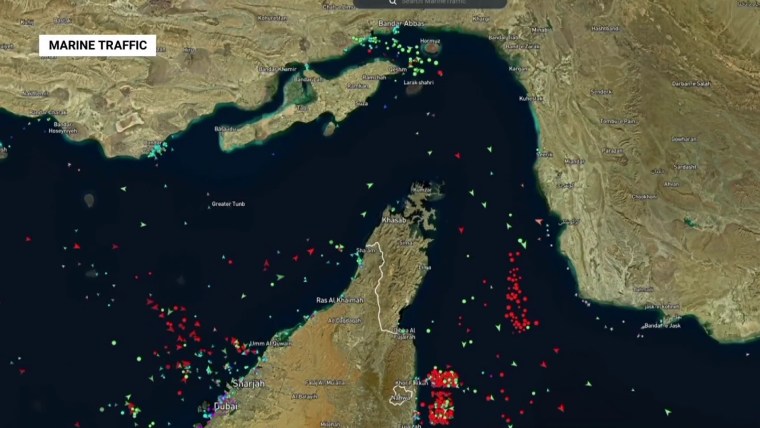
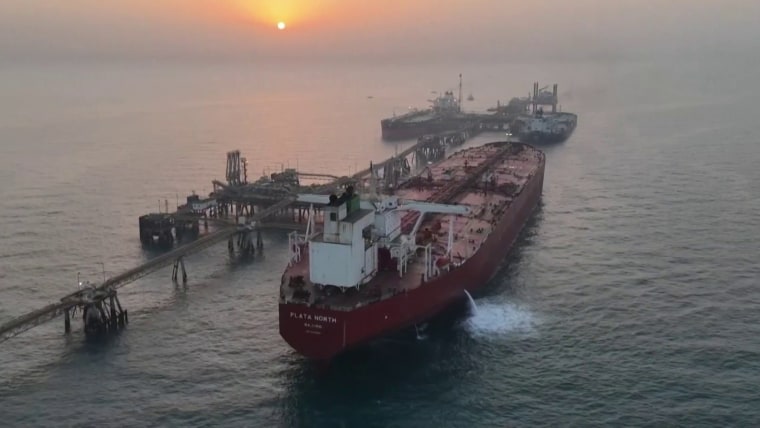
Tanker and cargo traffic through the Strait of Hormuz fell about 90% in a week, with more than 150 vessels anchoring or rerouting outside the chokepoint, according to ship-tracking data cited by NBC News. War-risk insurance is being withdrawn or repriced so sharply that coverage has become the bottleneck: Marsh Risk told NBC that rates jumped from about 0.25% to 1.25% of a ship’s value in days. With roughly a fifth of the world’s oil moving through the strait, the immediate headline is fuel — but the first failure mode is finance.
Modern shipping is a chain of contracts that assumes predictable passage: charter parties, letters of credit, trade credit insurance, and bank financing that is valid only if the voyage remains “insurable” under war-risk clauses. When insurers cancel coverage, the ship may still be seaworthy and the crew willing, but the paperwork that makes the cargo bankable stops working. The result is a liquidity shock in physical goods: vessels sit at anchor because counterparties cannot close the transaction, not because the ocean is physically blocked.
That mechanism explains why the price signal hits consumers before any shortage appears. NBC reports US gasoline averaging about $3.19–$3.20 a gallon, up roughly 22 cents in a week, and crude nearing $80 a barrel. Diesel follows, and diesel is embedded in everything with a delivery date — food, packaging, fertiliser, and industrial inputs that are priced with transport and insurance bundled in.
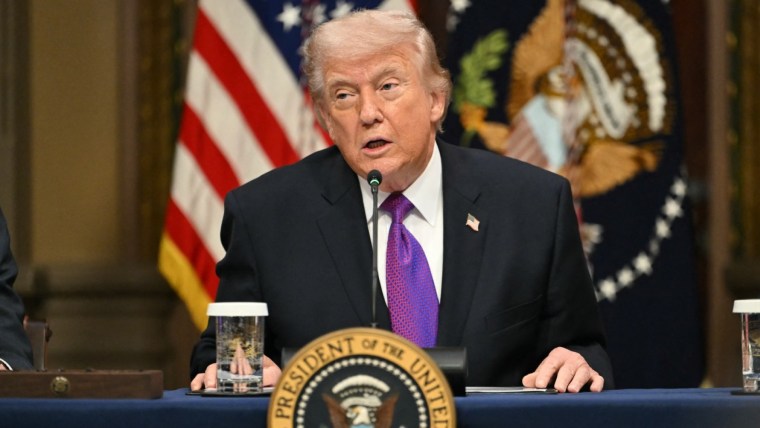
Washington’s first response is to replace the missing private risk capacity with public balance sheet. President Donald Trump said the US Navy could escort tankers and, in a separate step, ordered the US International Development Finance Corporation to offer insurance support for Gulf shipping, NBC reports. The pitch is continuity: keep cargo moving and prevent “market disruptions.” The bill is harder to locate, because it arrives as contingent liability — taxpayers underwriting routes that insurers have decided are not priced correctly at any premium.
In practice, state-backed war-risk cover changes behaviour at the margin. Shipowners and charterers can keep using the shortest route while the downside is shifted to a government insurer, rather than being forced to reroute, delay, or renegotiate contracts. The cost of war-risk becomes political: if claims spike, the question is no longer what the market will bear, but what the Treasury will pay.
On Wednesday, tankers clustered outside Hormuz while Washington discussed escorts and insurance guarantees. The choke point remained open in theory, but the paperwork needed to sail through it was already being rationed.