
US submarine sinks Iranian warship near Sri Lanka
Conflict spills into Indian Ocean shipping lanes, Europe pays through freight insurance and trade finance
Images
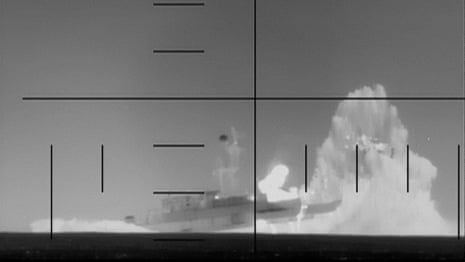 US submarine sinks Iranian warship near coast of Sri Lanka – video
theguardian.com
US submarine sinks Iranian warship near coast of Sri Lanka – video
theguardian.com
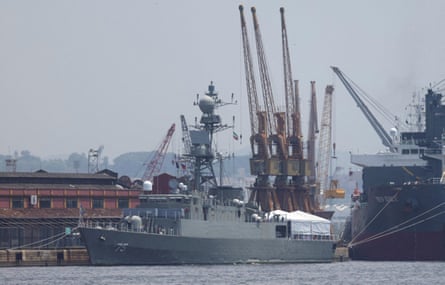 The Iris Dena, berthed in Rio de Janeiro, in February 2023. Photograph: Ricardo Moraes/Reuters
theguardian.com
The Iris Dena, berthed in Rio de Janeiro, in February 2023. Photograph: Ricardo Moraes/Reuters
theguardian.com
A US submarine torpedo sank the Iranian frigate Iris Dena off Sri Lanka’s southern coast, killing at least 87 sailors and leaving an oil slick, Sri Lankan officials said, according to The Guardian. The ship was in international waters but within Sri Lanka’s economic zone, about 44 nautical miles off Galle, when the distress call came in early Wednesday. Colombo said it rescued 32 survivors and recovered bodies from the water.
The strike is a military event in the Indian Ocean with European consequences that arrive through invoices rather than headlines. Europe’s imports—energy, electronics, pharmaceuticals, industrial components—depend on predictable sea lanes from the Gulf and Asia through the Suez route and across the wider Indian Ocean. When navies start sinking state vessels far from the immediate theatre, insurers and shipowners treat it as proof that the risk map has expanded.
War-risk insurance is not a moral judgement; it is a price. A wider perceived combat zone raises premiums for hull and cargo, pushes more ships to reroute, and ties up capacity in longer voyages. That feeds into container rates, tanker charter costs, and the financing of trade itself, because banks look at the same risk signals when they price letters of credit. The effect is a “war tax” embedded in freight and working capital, paid by importers first and households later.
The Guardian reports that the Iris Dena had been returning from a naval exercise organised by India in the Bay of Bengal. Sri Lanka’s foreign affairs minister said the country responded under maritime search-and-rescue obligations; by the time rescue vessels arrived, the frigate had already sunk. The Pentagon released footage of a Mark 48 torpedo strike, and defence secretary Pete Hegseth framed it as a warning that Iranian forces were not safe “in international waters”.
For European governments, the operational question is whether this becomes a pattern: more naval engagements outside the Gulf, more uncertainty around chokepoints, and more pressure on already strained supply chains. For European businesses, the question is simpler: whether they can still insure and finance shipments at last quarter’s prices.
Sri Lankan responders reached the scene to find only an oil slick. The ship’s last communications were a distress call describing an explosion, and the Indian Ocean acquired a new premium line in the insurance tables.