
Iceland supermarket drops EU trademark fight
Icelandic government challenged exclusive use of country name, dispute ends with vouchers not a rebrand
Images
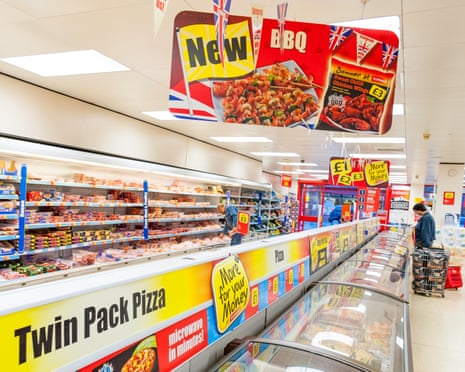 The government of Iceland launched a legal action against the grocery chain in 2016. Photograph: Alex Segre/Alamy
theguardian.com
The government of Iceland launched a legal action against the grocery chain in 2016. Photograph: Alex Segre/Alamy
theguardian.com
UK frozen-food retailer Iceland has dropped its decade-long trademark dispute with the Icelandic government after losing for a third time in EU litigation, according to The Guardian. Executive chair Richard Walker told the Financial Times the company will not pursue a further appeal and will instead spend the expected legal bill on a “rapprochement discount” for shoppers in Iceland, likely delivered as vouchers.
The case began in 2016 when Iceland’s government argued that the supermarket chain’s EU-wide trademark registration for the word “Iceland” was blocking Icelandic companies from marketing products and services in Europe under their country name. Courts repeatedly sided against the retailer, with the EU general court last July upholding a decision to cancel the trademark on the grounds that geographical names must remain available for public use.
The episode illustrates how brand protection can collide with a basic feature of international commerce: countries are also labels. When a private company secures exclusive rights to a place name, it can turn a neutral descriptor into a controlled asset, forcing exporters into workarounds, renaming, or defensive legal spending. The EU’s approach—treating geographic terms as part of a shared commercial vocabulary—limits that strategy, but only after years of procedure and fees.
For Iceland Foods, the practical risk now shifts from losing a trademark to managing confusion. Walker said the company does not need to change its name, but warned that others could open shops called “Iceland” and sell Icelandic products. That is the trade-off when a name is both a brand and a map reference: exclusivity is hard to defend, but impersonation becomes easier to attempt.
The chain is privately owned by its co-founder Malcolm Walker and chief executive Tarsem Dhaliwal, after returning to family control in 2012 via a management buyout. It operates more than 900 stores in the UK under the Iceland and Food Warehouse banners, and also owns the restaurant group Individual Restaurants, whose brands include Piccolino, The Guardian reports.
Walker, who took over leadership in 2023, has recently moved closer to Westminster: he was made a Labour peer by Keir Starmer and appointed as the government’s cost of living champion last month. The trademark retreat, however, is being framed as a commercial peace offering rather than a political one.
The dispute ends with no rebrand, no damages, and a promise of vouchers—after nearly a decade of arguing over who gets to print a country’s name on a shop sign.