
Russian Central Bank sues EU over frozen assets
Brussels ties release to end of Ukraine war and reparations, Euroclear custody becomes a political battleground
Images
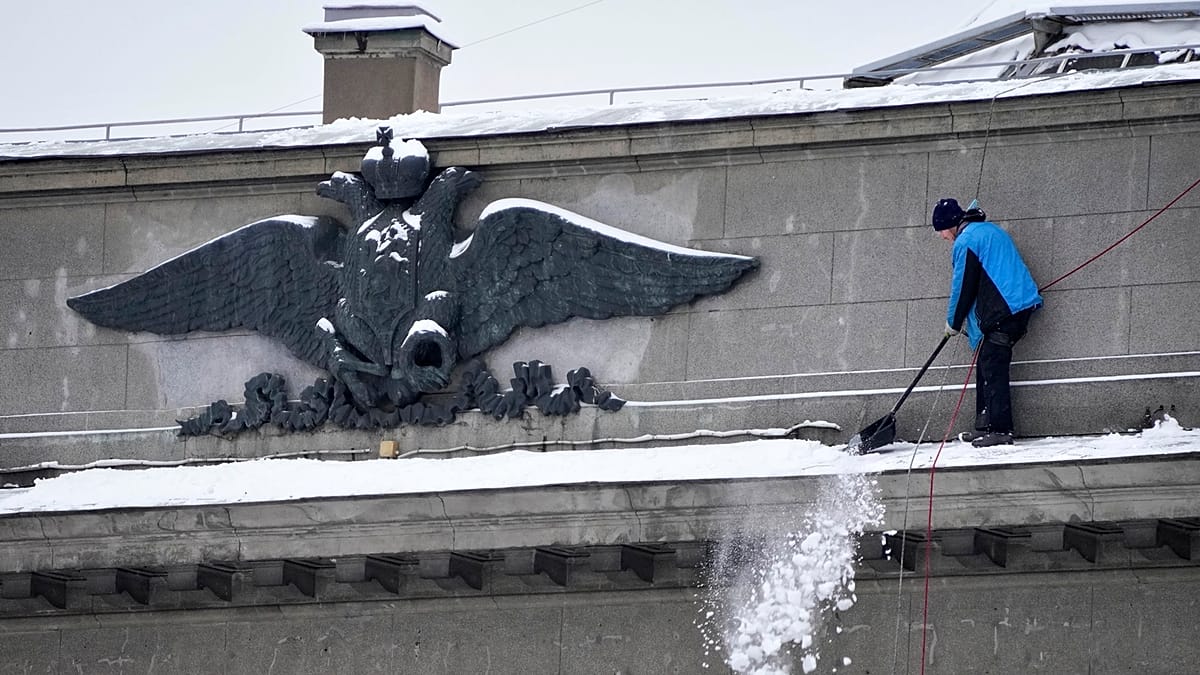 Russian Central Bank sues EU for immobilising €210 billion in assets
euronews.com
Russian Central Bank sues EU for immobilising €210 billion in assets
euronews.com
On 27 February the Russian Central Bank filed a lawsuit at the EU’s General Court in Luxembourg challenging the bloc’s immobilisation of roughly €210 billion in Russian sovereign assets, most of them held at Euroclear in Brussels. The bank argues the freeze violates property rights and sovereign immunity, according to Euronews, and says the EU used the wrong legal basis by relying on Article 122, which allows qualified-majority votes in emergencies.
The case targets a policy designed to be hard to unwind. Under the EU regulation agreed in December, the assets remain immobilised until Russia ends the war in Ukraine, pays reparations, and no longer poses what the Commission calls a “serious risk of severe difficulties” for the European economy. Moscow has ruled out compensation, making release of the funds unlikely in practice. The same regulation also seeks to block recognition or enforcement inside the EU of claims connected to the immobilisation, aiming to prevent a cascade of litigation.
What is being tested is less a single freeze than the credibility of Europe’s financial infrastructure as neutral plumbing. Euroclear is not a bank but a securities depository that sits in the settlement chain for global investors; it is valuable precisely because it is boring and predictable. Turning that machinery into leverage in a war immediately changes how other governments, central banks and large asset holders price political risk: the question becomes not only whether assets can be seized, but whether the rules can be rewritten quickly enough to make seizure durable.
Brussels has justified the use of Article 122 by arguing that the war’s spillovers—energy shocks, risk premia, weaker investment and consumer spending, and a wave of sabotage and disinformation—constitute an EU-wide economic emergency. Hungary made the same procedural objection Moscow now raises, saying foreign policy should require unanimity. The Commission’s novelty is to treat sanctions and asset immobilisation as economic stabilisation tools, and therefore as matters that can be decided by majority vote.
The lawsuit arrives as European institutions are also trying to reduce exposure to US-controlled chokepoints in payments, cloud services and email, after Washington’s use of sanctions and extraterritorial measures has highlighted how quickly infrastructure can be weaponised. When both Washington and Brussels treat clearing, custody and settlement as instruments of statecraft, alternative arrangements—bilateral clearing, gold, non-Western depositories, or simply holding fewer assets inside the jurisdiction—become more attractive even if they are less efficient.
For now, the money remains frozen, the legal challenge has been filed, and the assets sit at Euroclear waiting for a political condition that neither side expects to meet.