
Iran threatens ships in Strait of Hormuz
Energy insurers and LNG contracts become the real choke point, Asia’s import dependence meets war-risk pricing
Images
 Hormuzstredet: Iran vil sette fyr på alle skip som forsøker å passere
nrk.no
Hormuzstredet: Iran vil sette fyr på alle skip som forsøker å passere
nrk.no
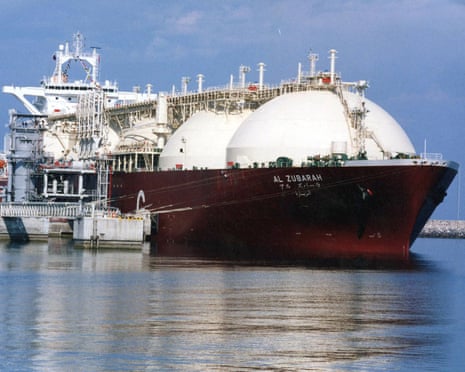 Qatari LNG cannot be diverted via pipeline, as Saudi oil can be to a degree. Photograph: AP
theguardian.com
Qatari LNG cannot be diverted via pipeline, as Saudi oil can be to a degree. Photograph: AP
theguardian.com
 Nils Pratley
theguardian.com
Nils Pratley
theguardian.com
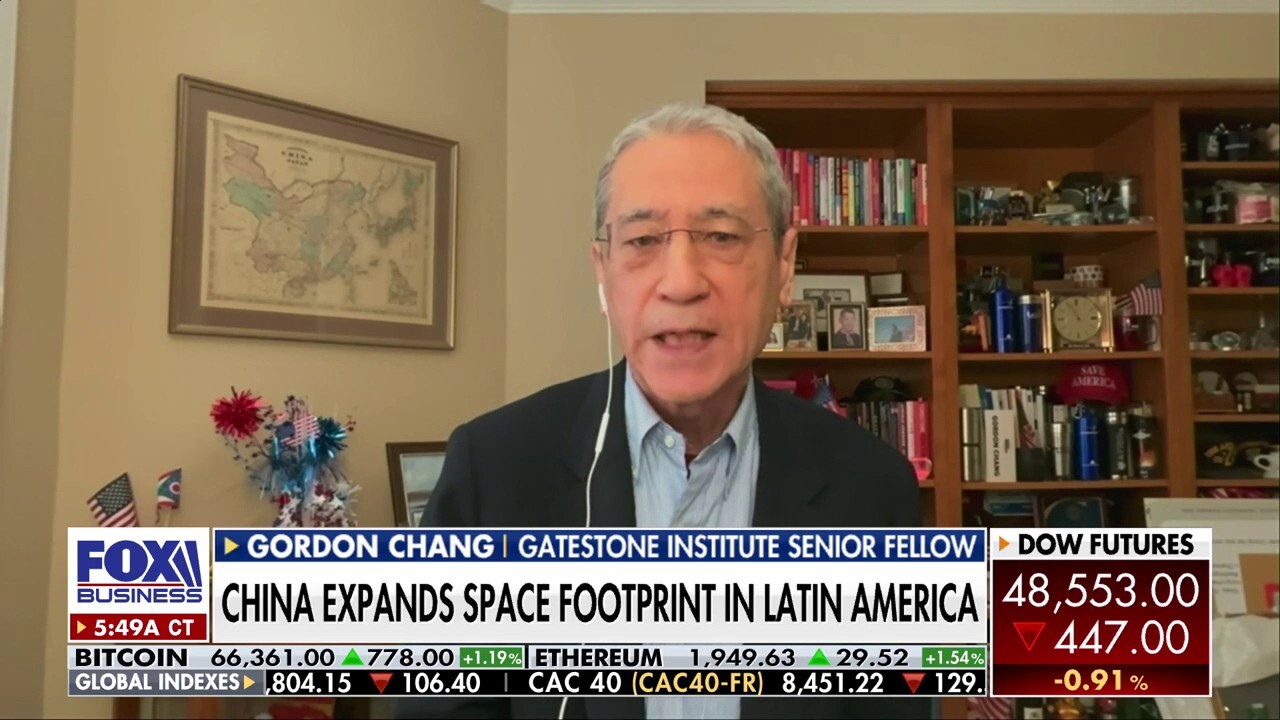 Gatestone Institute senior fellow Gordon Chang joins ‘Mornings with Maria’ to break down the impact of escalating US-Iran tensions on global oil markets and China’s reliance on Middle East energy.
foxbusiness.com
Gatestone Institute senior fellow Gordon Chang joins ‘Mornings with Maria’ to break down the impact of escalating US-Iran tensions on global oil markets and China’s reliance on Middle East energy.
foxbusiness.com
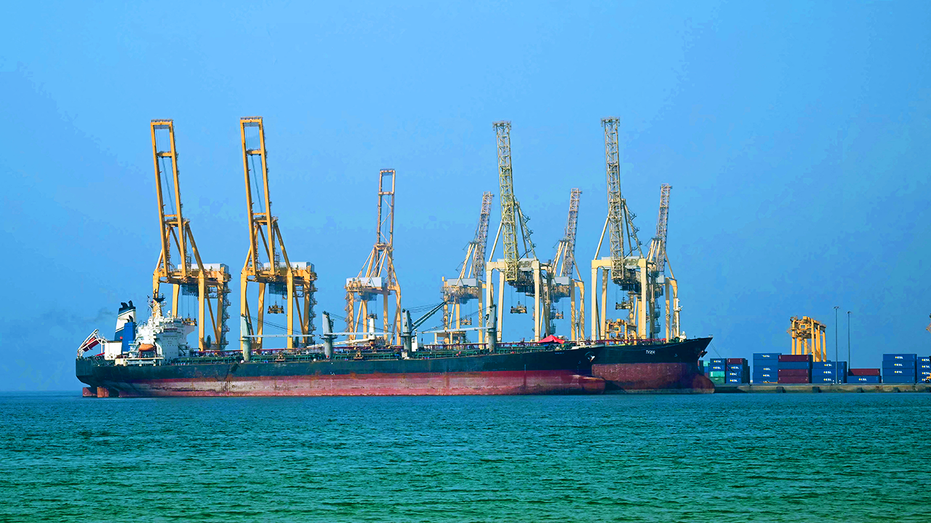 Oil tanker in Strait of Hormuz
foxbusiness.com
Oil tanker in Strait of Hormuz
foxbusiness.com
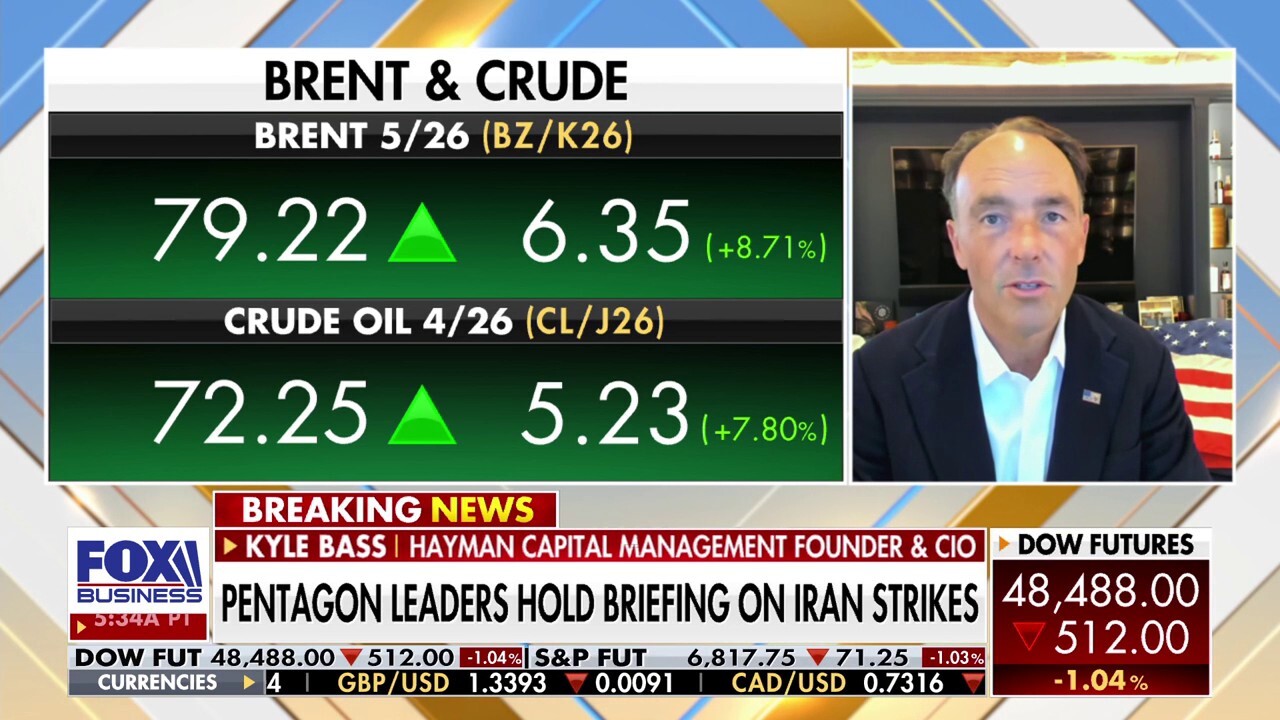 Hayman Capital Management founder and CEO Kyle Bass analyzes the global oil market as Middle East tensions escalate on 'Mornings with Maria.'
foxbusiness.com
Hayman Capital Management founder and CEO Kyle Bass analyzes the global oil market as Middle East tensions escalate on 'Mornings with Maria.'
foxbusiness.com
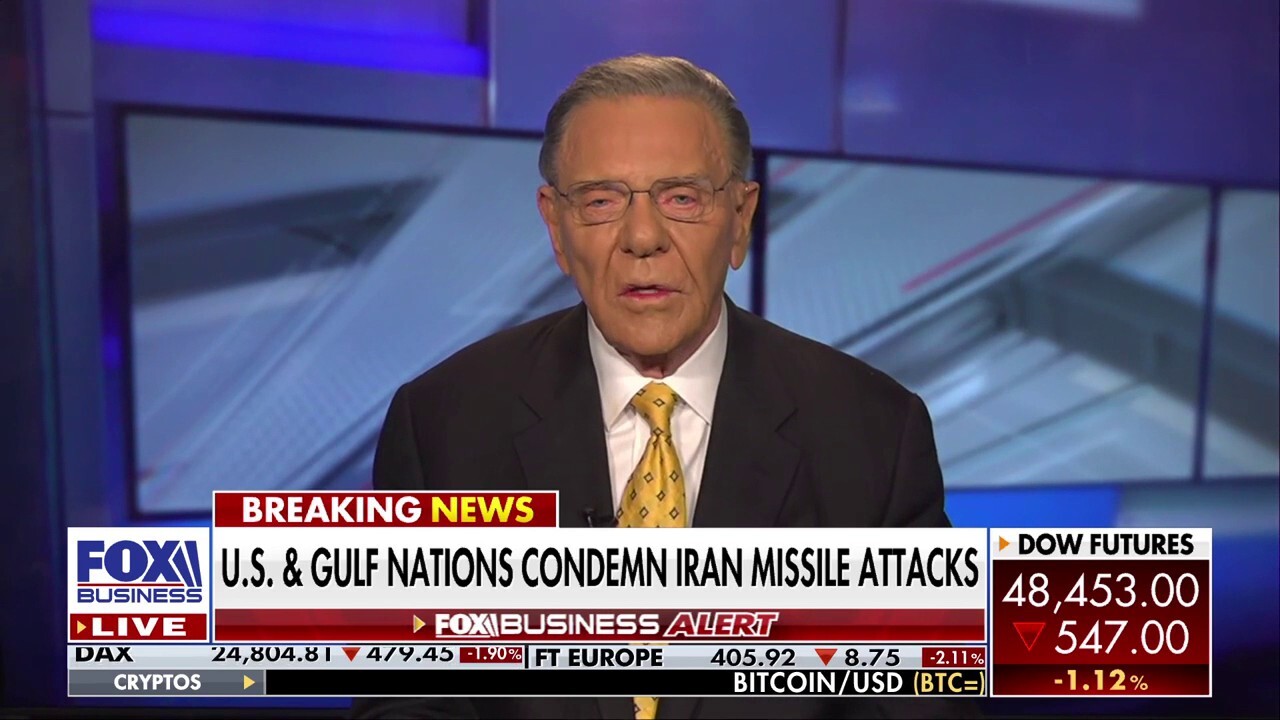 Fox News senior strategic analyst Gen. Jack Keane (ret.) joins ‘Mornings with Maria’ to break down US air superiority over Iran, the 50% drop in missile attacks and why he says only surrender should be negotiated.
foxbusiness.com
Fox News senior strategic analyst Gen. Jack Keane (ret.) joins ‘Mornings with Maria’ to break down US air superiority over Iran, the 50% drop in missile attacks and why he says only surrender should be negotiated.
foxbusiness.com
Iran has threatened to set fire to any ship attempting to pass through the Strait of Hormuz, according to Reuters reporting cited by Norway’s NRK. The warning came after the killing of Iran’s Supreme Leader Ayatollah Ali Khamenei and as oil prices jumped on fears that the chokepoint—through which roughly a fifth of global oil flows—could be effectively closed.
For Asia, Hormuz is less a geopolitical headline than a procurement problem that hits quickly and unevenly. China, Japan, South Korea and India are import-dependent economies built on continuous fuel deliveries and just-in-time shipping. When the strait becomes a war-risk zone, the first rationing mechanism is not government decree; it is private pricing—insurance premiums, charter rates, and the willingness of crews and shipowners to accept the voyage.
That pricing can fail abruptly because much of the world’s energy logistics has been optimized for normality. Tanker routes, bunkering schedules, refinery feedstock planning and LNG delivery contracts are designed around predictable transit through Hormuz. When a military actor signals that civilian shipping itself is a target, insurers can step back, coverage can become conditional, and shipowners can refuse fixtures. The result is a de facto closure without a formal blockade.
The immediate pain point may be liquefied natural gas. The Guardian’s Nils Pratley argues that a “gas shock” looks more threatening than an oil shock because Qatari LNG cannot be rerouted by pipeline in the way some crude can be. If Hormuz is constrained, LNG buyers compete for marginal cargoes elsewhere, and the price signal travels fast: Europe’s wholesale gas prices, the column notes, surged after QatarEnergy halted production following drone strikes.
China’s exposure is often framed as strategic, but it is also commercial. Fox Business, citing interviews with Gordon Chang and hedge fund manager Kyle Bass, claims a prolonged disruption would hit China’s refineries and factories within weeks as discounted Iranian barrels become harder to move and replacement cargoes clear at higher prices. Even if the analysis is speculative, the mechanism is straightforward: the cheapest supply disappears first, and the cost is transmitted through transport and petrochemicals into export margins.
The second-order effect is that governments are pulled into subsidizing the gap—through price caps, emergency stock releases, or direct support to utilities and industry—because the political cost of letting prices clear can be higher than the fiscal cost of intervention. That turns a private shipping risk into a public budget line.
Iran’s commander was quoted as saying the strait is closed and ships would be set on fire if they try to pass. The fastest indicator of whether the threat is real will not be speeches in Tehran but whether insurers keep writing policies for the voyage.