
New York subway tests audio ads
MTA pilots 30-second station commercials through June, Riders pay to escape noise
Images
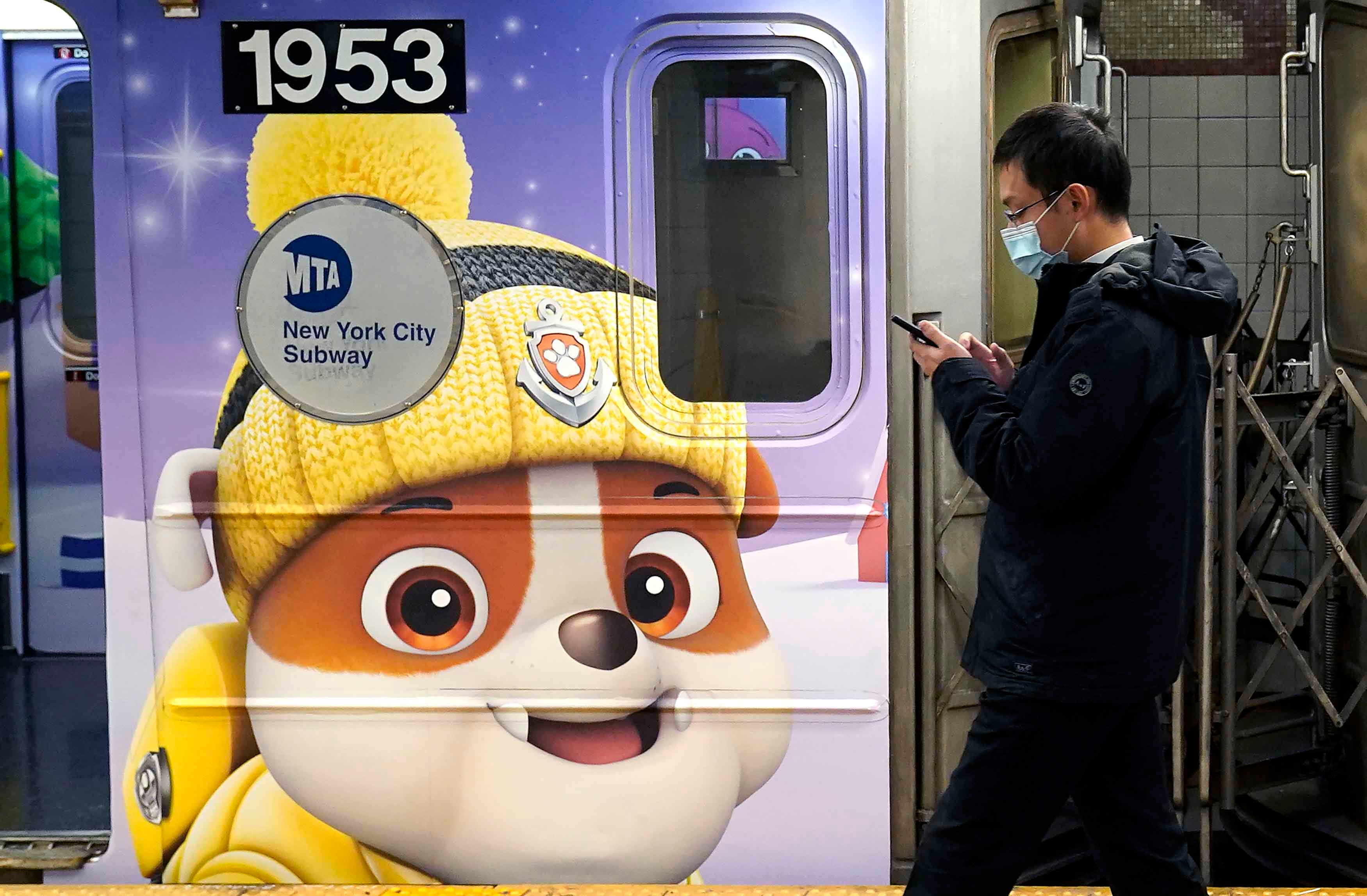 New York City subway ads have traditionally been confined to the visual dimension — which many riders find is already annoying enough (Timothy A. Clary/AFP via Getty Images)
Timothy A. Clary/AFP via Getty Images
New York City subway ads have traditionally been confined to the visual dimension — which many riders find is already annoying enough (Timothy A. Clary/AFP via Getty Images)
Timothy A. Clary/AFP via Getty Images
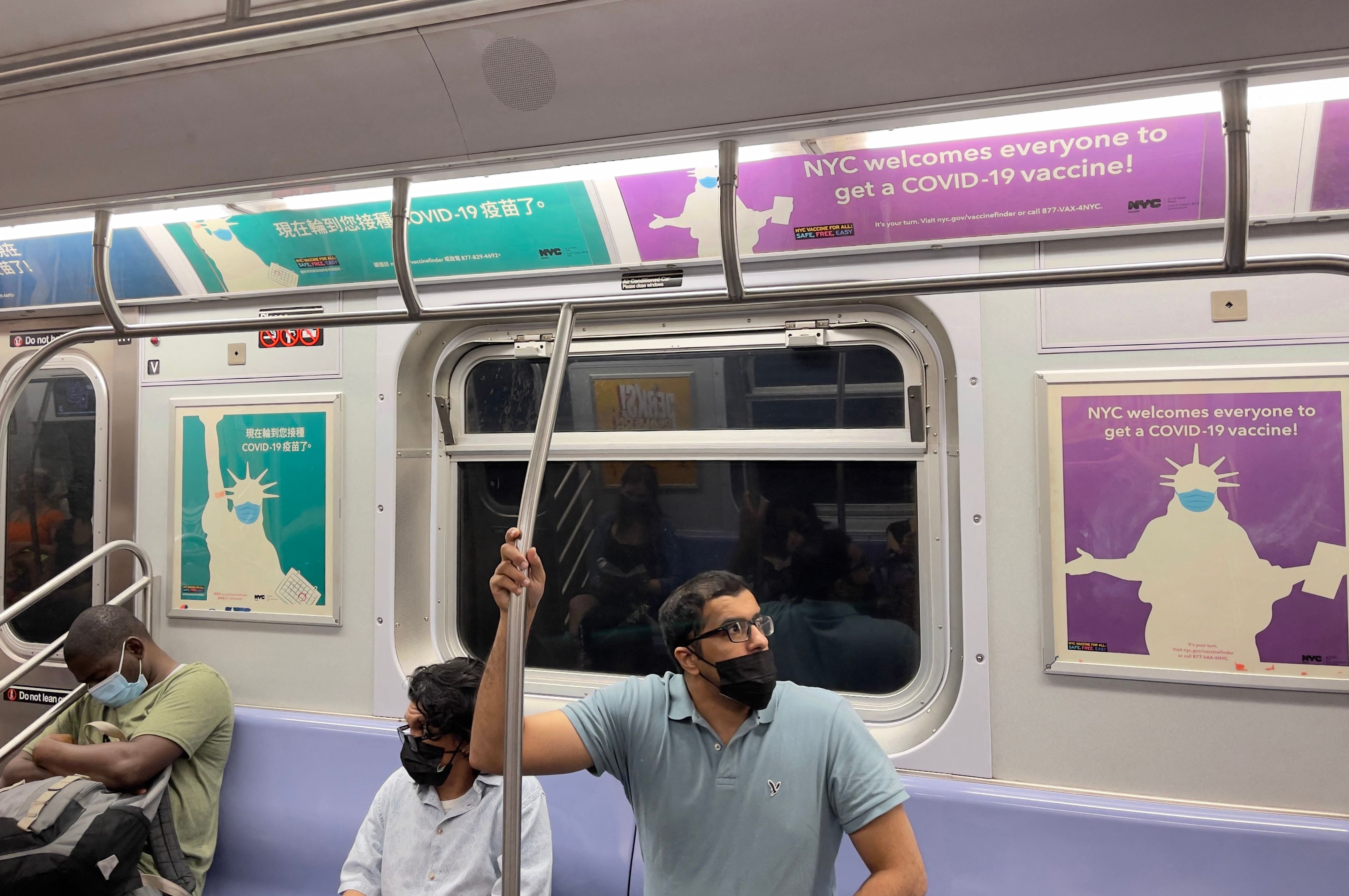 Some ads have a clearer social purpose than others, such as these free vaccination bulletins in July 2021 (Daniel Slim/AFP via Getty Images)
Daniel Slim/AFP via Getty Images
Some ads have a clearer social purpose than others, such as these free vaccination bulletins in July 2021 (Daniel Slim/AFP via Getty Images)
Daniel Slim/AFP via Getty Images
New York’s Metropolitan Transportation Authority has been testing 30-second audio advertisements in some subway stations, with the pilot scheduled to run until June 1. According to The Independent, the ads play no more than once every 10 minutes, are limited to certain categories—media, entertainment and sporting events—and are supposed to be capped at 75 decibels.
The backlash arrived late, not because the change was subtle, but because the distribution of the decision was quiet. Riders only widely noticed the pilot after a New York Post report, The Independent writes, prompting complaints on Reddit and Instagram that the system is already overstimulating: screeching brakes, crowd noise, flashing screens, and announcements that are often hard to understand.
Audio ads are a small tweak with a big implication: when every surface is already monetised, the remaining inventory is the ear. Visual advertising competes with phones; sound competes with nothing unless riders actively block it. Earbuds can help, but they also shift the cost of escape onto the passenger—buy noise-cancelling hardware, pay for a subscription, curate your own silence.
At an MTA board meeting, a local resident cited Ray Bradbury’s Fahrenheit 451 and argued that the agency was trading rider experience for marginal revenue. The Independent reports that the MTA memo itself concedes the obvious: future expansion will depend on rider reaction.
MTA chair Janno Lieber said at a press conference he was not aware of the pilot when asked about it, then suggested adding a question to customer satisfaction surveys. That is a familiar public-sector rhythm: introduce the change, measure the complaints, decide later whether the complaints matter.
The subway is not a shopping mall; it is a captive corridor. If audio advertising scales, the transit system becomes less a public utility than a distribution channel—one where the loudest messages are not service updates but paid placements.
For now, the program is still a pilot, limited in frequency and duration.
But the MTA has already tested the one thing riders cannot scroll past.