
Airlines funnel into narrow Caucasus corridor as Middle East airspace closes
Russia ban leaves little routing slack, United 787 engine fire at LAX shows how thin margins get under disruption
Images
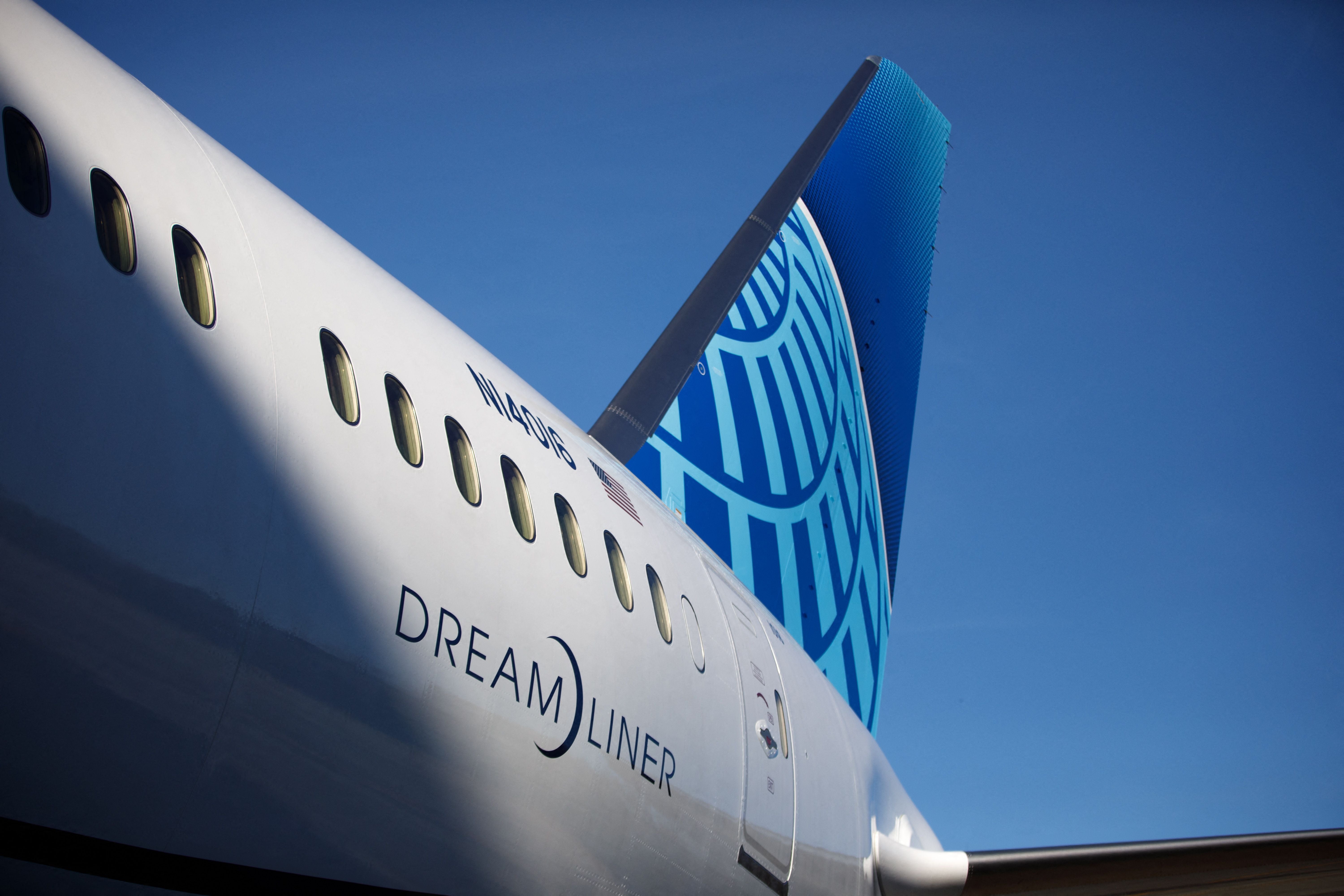 The Boeing 787 Dreamliner has suffered problems before, bringing heightened scrutiny to the once-renowned aerospace company (Logan Cyrus/AFP via Getty Images)
Logan Cyrus/AFP via Getty Images
The Boeing 787 Dreamliner has suffered problems before, bringing heightened scrutiny to the once-renowned aerospace company (Logan Cyrus/AFP via Getty Images)
Logan Cyrus/AFP via Getty Images
International airlines are being squeezed into a narrow band of airspace over the Caucasus as closures across the Middle East add to the no-fly map that already includes Russia for most Western carriers. Business Insider reports that Iran, Iraq, Kuwait, Israel, Bahrain, Qatar and the United Arab Emirates were closed or partially closed as of Monday, forcing long detours and concentrating traffic into a corridor that can narrow to roughly 100 miles between Russia and Iran.
The pressure is not just about longer flight times. When multiple states close airspace at once, the global network loses the slack that normally absorbs disruptions: aircraft rotations slip, crews time out, fuel planning changes, and airlines are pushed into fewer routing options that must also handle weather and air traffic control constraints. Flightradar24 data cited by Business Insider shows flights funneling around the region or detouring over Saudi Arabia, adding hours, fuel burn, and labor costs.
The Caucasus route has become the functional bridge between Europe and Asia for carriers that cannot use Russian airspace and now cannot cross Iran. CANSO, the air navigation service providers’ association, told Business Insider that Azerbaijan handled about 110 additional flights per day during a previous Iranian airspace closure in June 2025, and that traffic has been rising year-on-year as surrounding airspace “flips on and off.” The corridor, however, sits hard up against Russia to the north, limiting lateral room to maneuver when traffic surges.
When corridors narrow, the system becomes more brittle: a storm cell, a technical incident, or a temporary restriction can cascade into holding patterns and diversions because there are fewer alternative tracks available. That brittleness was on display Monday when a United Airlines Boeing 787-9 bound for Newark returned to Los Angeles after a reported engine fire, according to The Independent and an FAA statement. The aircraft, carrying 256 passengers and 12 crew, turned back within an hour; passengers deplaned on a taxiway, and the FAA said it issued an emergency order briefly restricting arrivals into LAX, with delays and airborne holding.
Airspace closures are political decisions, but the immediate bill is paid by private operators and passengers: more fuel, more crew hours, missed connections, and higher disruption costs that get priced into tickets and cargo. For airlines already forced to route around Russia since 2022, the addition of Middle East closures turns what was a detour into a chokepoint.
Business Insider notes President Donald Trump said the conflict could last “four to five weeks.” If the closures persist, the map leaves fewer places to put the traffic, and fewer margins for the next mechanical problem.
United’s flight returned to LAX at about 11:20 a.m. local time, the FAA said, and the agency is investigating.