
Trump says Iran operation could last a month
Vague objectives shift from nuclear program to leadership removal, Four to five weeks becomes an expandable mandate
Images
 nbcnews.com
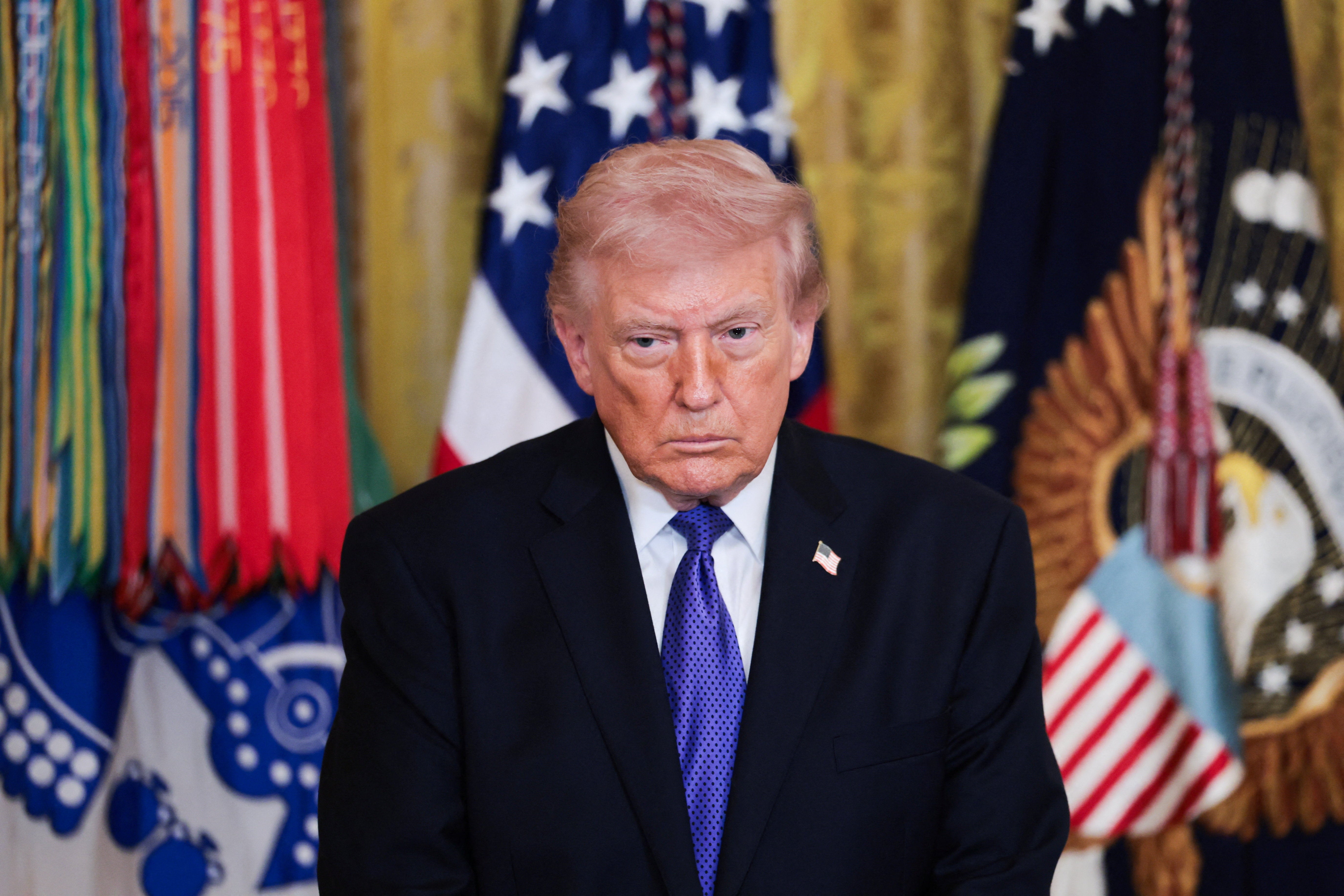 News reports over the weekend indicated the president made quick sporatic phone calls to journalists, offering vague and different goals for the US operation in Iran (Reuters)
Reuters
News reports over the weekend indicated the president made quick sporatic phone calls to journalists, offering vague and different goals for the US operation in Iran (Reuters)
Reuters
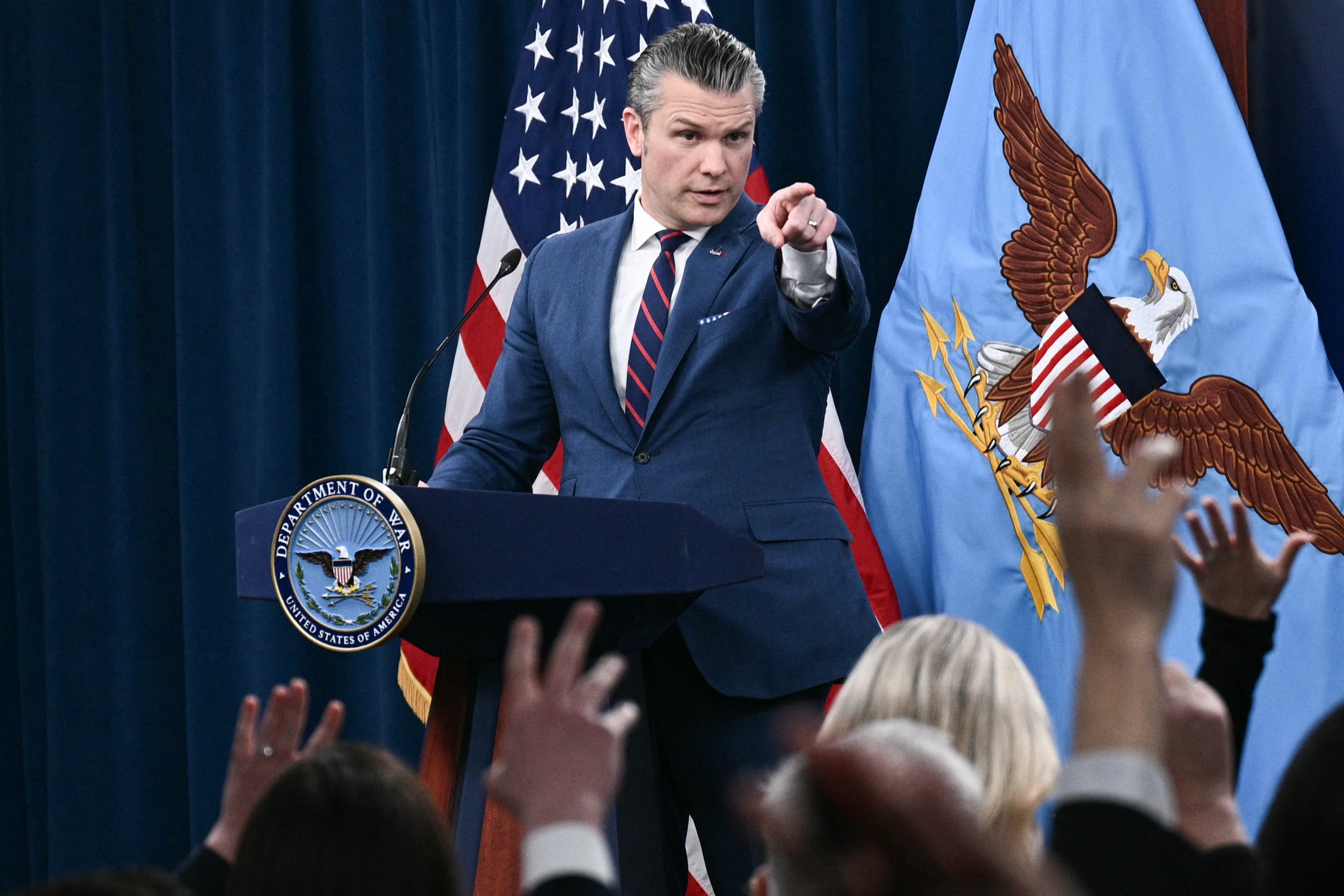 Defense Secretary Pete Hegseth brushed off comments from reporters asking for clairty on the president’s various timelines (AFP via Getty Images)
AFP via Getty Images
Defense Secretary Pete Hegseth brushed off comments from reporters asking for clairty on the president’s various timelines (AFP via Getty Images)
AFP via Getty Images
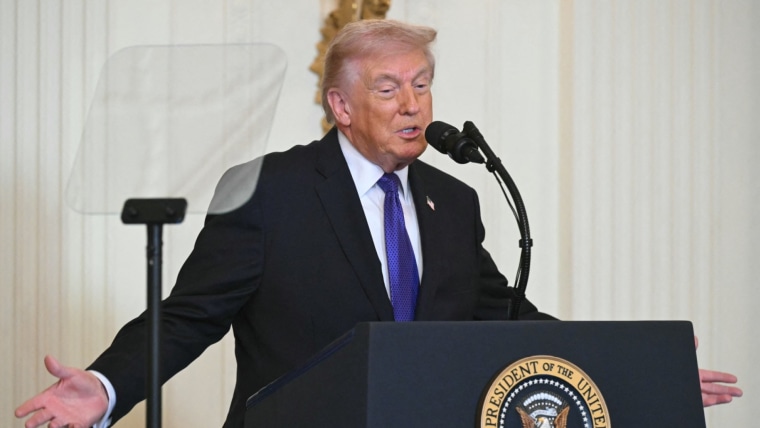
President Donald Trump said on Monday that the US military operation against Iran could last “four to five weeks” and “far longer than that” if needed, speaking at a White House Medal of Honor ceremony after Iranian retaliation killed four US service members, according to NBC News. In the same set of remarks, Trump claimed a “four-week plan” to remove Iran’s military leadership had been completed “in about an hour,” while also listing broader goals that range from destroying Iran’s missile and naval capabilities to preventing a nuclear weapon and “ending” the regime.
The widening menu matters because it turns a time estimate into a political permission slip. A month-long window with no measurable end state lets every actor in the chain—military planners, intelligence briefers, lawmakers, and friendly media—treat new events as proof that the operation must expand. The Independent reports Trump gave different objectives to different outlets over the weekend: “freedom” for Iranians to one, eliminating a nuclear program to another, and “get rid” of the leadership to yet another. When the stated goal shifts between counterproliferation, decapitation, and regime change, the definition of “success” shifts with it, and so does the justification for more strikes.
That ambiguity also changes the incentives inside government. If “four to five weeks” is the public horizon, then every setback becomes a reason to ask for more time, and every success can be reframed as merely the opening phase. Trump’s own language invites that logic: he said the operation is “ahead of schedule,” dismissed readiness concerns, and added that “whatever the time is, it’s OK.” Defense Secretary Pete Hegseth, pressed on the timeline, declined to engage and argued the president has “all the latitude in the world” to talk about duration, according to The Independent. In practice, that leaves the bureaucracy to fill the gaps with after-the-fact coherence.
Trump also refused to rule out “boots on the ground,” telling the New York Post he does not make the usual promise that there will be none, NBC reports. Once that door is left open, allies and adversaries alike have to price in a scenario where a limited air-and-missile campaign becomes a troop-protection problem, then a rescue-and-extraction problem, then a ground presence justified as the least bad way to end what was supposed to be time-limited.
Monday’s speech was delivered while the administration framed last week’s collapsed Geneva talks as the trigger. Trump said he attacked after Iran insisted on an “inalienable right” to enrich uranium and was “not willing to stop” nuclear research, per NBC. The operation now has a name—“Epic Fury”—and a timeline that can stretch indefinitely.
Trump said the plan was four to five weeks. By Monday afternoon, he was already explaining why it could last longer.