
European gas prices jump after Qatar halts LNG
EU’s post-Russia diversification runs through Hormuz chokepoint, lower storage leaves less room for error
Images
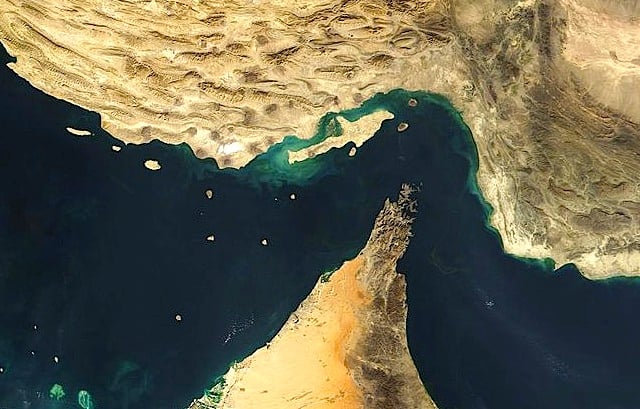 Strait of Hormuz - the world's gateway to Middle Eastern oil <a target="_blank">(Photo: eutrophication&hypoxia)</a>
euobserver.com
Strait of Hormuz - the world's gateway to Middle Eastern oil <a target="_blank">(Photo: eutrophication&hypoxia)</a>
euobserver.com
 euobserver.com
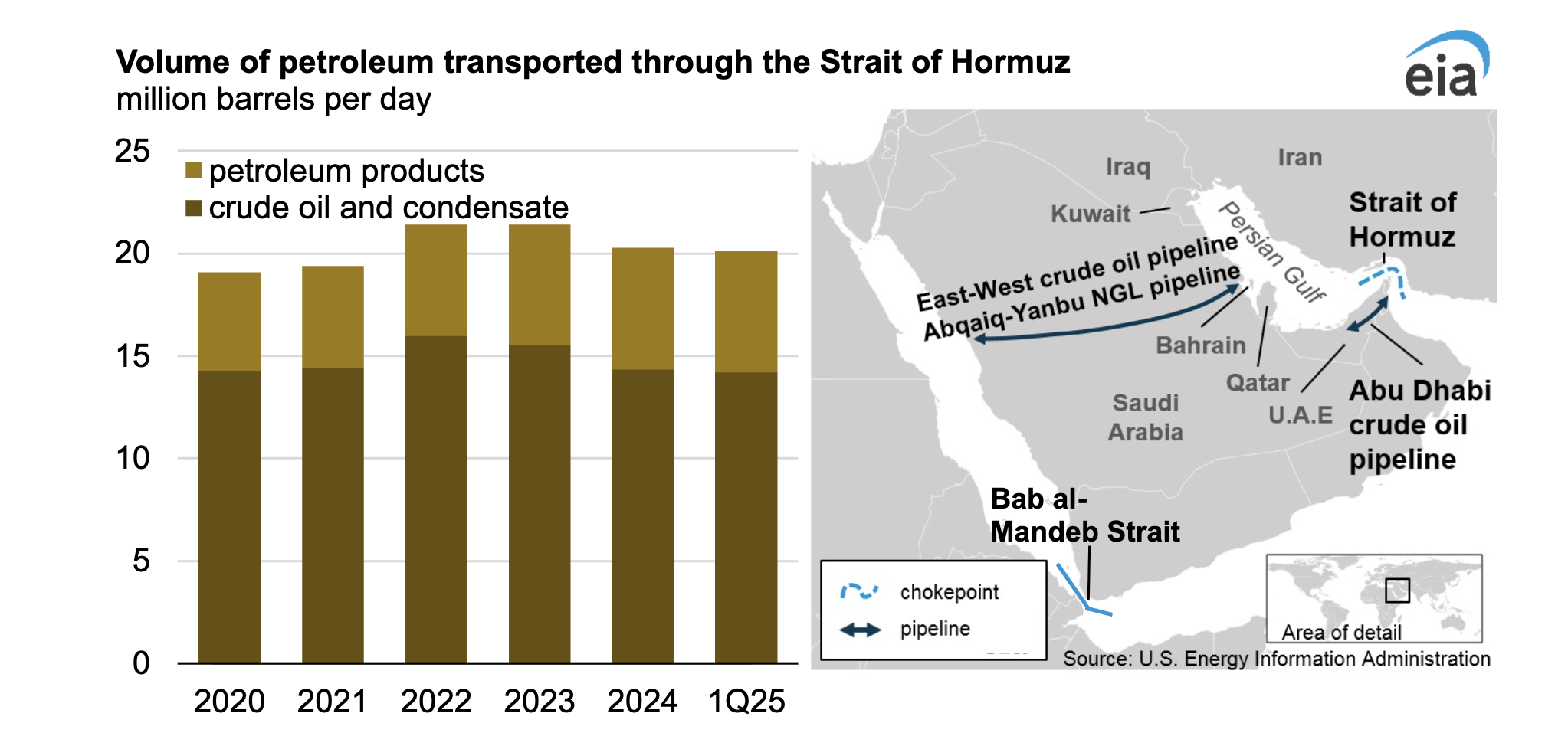
European gas prices jumped sharply on Monday after Qatar halted liquefied natural gas production, reopening a vulnerability the EU has tried to manage since Russia’s invasion of Ukraine. EUobserver reported that European gas rose roughly 40% intraday as the Gulf war disrupted shipping and raised the prospect of prolonged blockage through the Strait of Hormuz, the narrow passage that carries a large share of global oil and LNG flows.
The immediate trigger was not European policy but a supply chain built on distant chokepoints. Qatar and the United Arab Emirates ship all their LNG exports through Hormuz, which EUobserver, citing Bruegel and tanker-tracking data, describes as a route for about a fifth of global LNG trade. Satellite imagery, the outlet said, suggested oil and gas shipments had slowed to a near standstill after US-Israeli strikes on Iran and Tehran’s retaliation. Even if Europe buys less Gulf oil than Asia, LNG is the weak link: it is flexible cargo traded on spot markets, and it is priced at the margin.
That is where “diversification” becomes a different kind of dependence. Replacing pipeline gas with LNG lengthens the chain: production, liquefaction, shipping, insurance, and port regasification. Each step adds a point where geopolitical risk can be priced in—or priced out until it suddenly cannot be. EUobserver notes Europe enters this episode with lower gas inventories than the past two winters: storage stood at 46 bcm at the end of February, down from 60 bcm a year earlier and 77 bcm in 2024. Lower buffers mean less time for markets and industry to adjust.
If Hormuz stays disrupted, Europe competes with Asian buyers for whatever cargoes can be rerouted, a dynamic last seen during the 2021–2023 energy crisis. That competition is not a theoretical model; it is a bidding war between utilities and traders, paid by households and energy-intensive industry. The same mechanism also feeds into shipping: war-risk premiums rise before any formal closure, and insurers and carriers react faster than diplomats.
EUobserver noted oil prices were up about 8% compared with pre-strike levels, while gas reacted more violently—suggesting markets still expect a short conflict, but are already charging more for the risk of missing LNG. The EU’s energy system is now less tied to a single supplier, and more tied to routes that cannot be widened.
On Monday afternoon, European gas was moving on headlines from Doha and Hormuz rather than on anything decided in Brussels.