
El Salvador defends prolonged state of emergency
Bukele allies cite near 100000 arrests and falling fear, constitutional change makes exception routine
Images
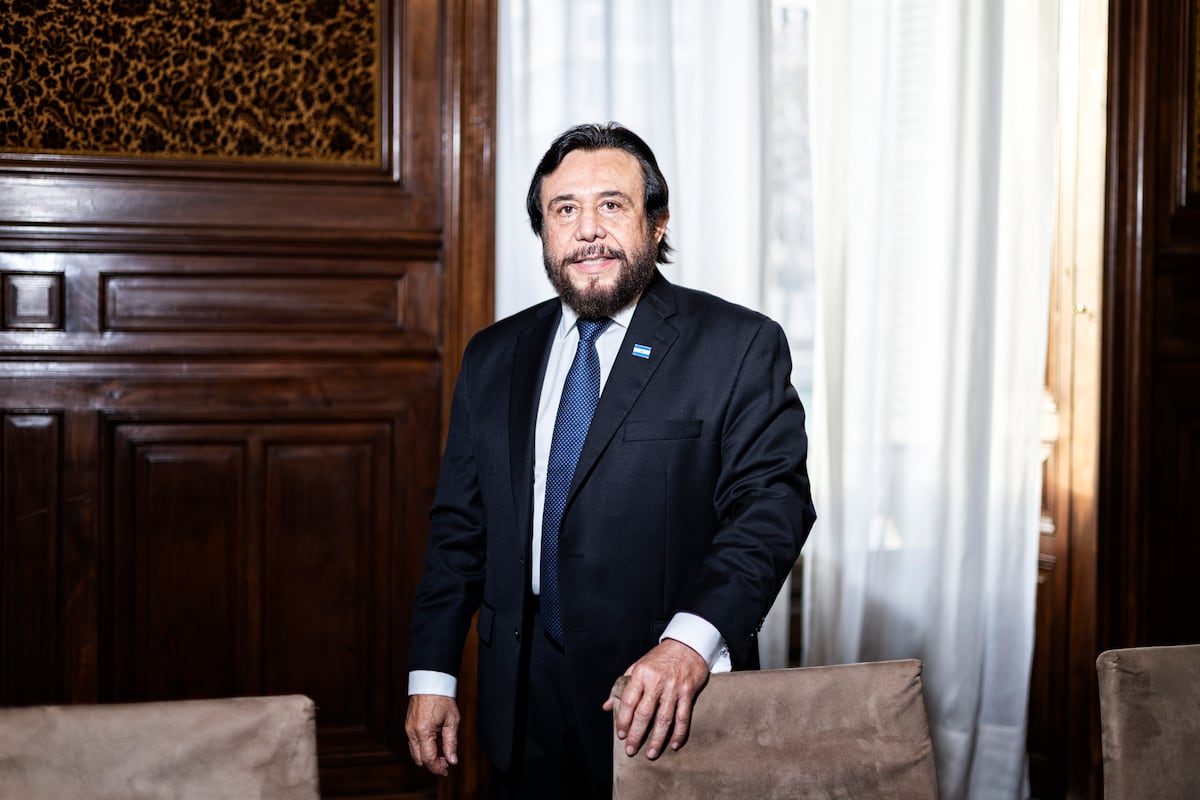 Félix Ulloa, vice president of El Salvador: ‘People want Bukele’s state of emergency; they feel protected’
english.elpais.com
Félix Ulloa, vice president of El Salvador: ‘People want Bukele’s state of emergency; they feel protected’
english.elpais.com
El Salvador’s vice president says the country wants the emergency rules to continue. Speaking in Madrid, Félix Ulloa defended President Nayib Bukele’s state of emergency—now entering its fourth year—and framed it as a public demand for protection, according to El País.
The numbers behind that demand are stark. The emergency regime has been associated with nearly 100,000 arrests, El País reports, alongside human-rights allegations of torture and abuse and the persecution of journalists and critics. Yet Ulloa points to a political reality that has kept the policy durable: a population that experienced years of gang control and extortion is willing to tolerate heavy-handed policing if the streets feel safer. In his telling, the legitimacy comes from polling and elections rather than from procedural limits. El País notes that constitutional reforms last August cleared the way for indefinite re-election, enabling Bukele to seek a third term.
That trade-off does not stay confined to the prison system. Once mass detention becomes the central tool of public order, the state acquires a large, politically salient apparatus—police powers, intelligence files, and a prison workforce—that is difficult to unwind even if violence falls. The emergency also changes the incentives for gangs: the cost of visible coordination rises, pushing criminal groups toward quieter revenue streams and more corruption-heavy strategies. For the middle class, the calculation is simpler: fewer murders and fewer extortion payments are immediate gains, while due-process erosion is a diffuse risk until it touches someone close.
Ulloa’s interview also shows how security policy becomes exportable branding. He lists tourism, concerts and “more than four million tourists annually” as part of the Bukele story, according to El País, tying public order to an economic pitch for investors and visitors. At the same time, El País reports El Salvador’s cooperation with the Trump administration’s mass deportations and its growing role in Washington’s regional strategy—an external alignment that can reinforce the domestic argument that hard measures bring leverage and attention.
Whether the model travels is less clear. El Salvador’s crackdown is built on unusually concentrated gang structures, a small territory, and a political system now able to change constitutional rules quickly. Other states can copy the rhetoric and the prison architecture more easily than they can copy the conditions that made the initial security gains plausible.
In Madrid, Ulloa dismissed questions about rights abuses as a “broken record.” The emergency itself remains the government’s main record: renewed again and again because it still wins elections.