
Cuba fuel squeeze strands Havana commuters
US tariff threat hits shipping and rationing, scarcity turns transport into permission
Images
 Cuba on the verge of paralysis: ‘I feel like this is the end of the story’
english.elpais.com
Cuba on the verge of paralysis: ‘I feel like this is the end of the story’
english.elpais.com
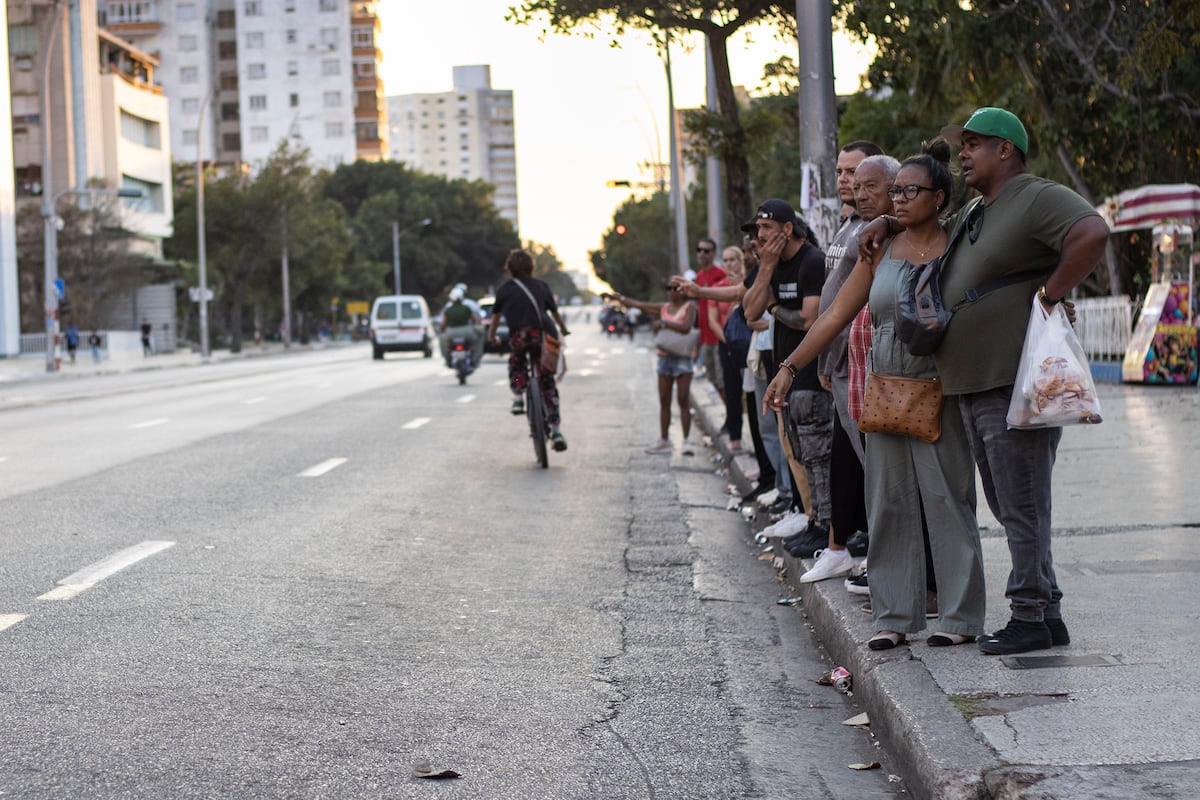
Cuba’s transport system is being reduced to a daily queue. In Havana, residents report waiting 15 minutes to more than an hour for any vehicle that still has fuel, as rationed gasoline runs out and taxis become scarce, according to El País.
The immediate trigger is not a hurricane or refinery fire but a policy shock: El País reports that the latest crunch followed a new U.S. threat of tariffs on anyone supplying fuel to Cuba. The result is a familiar pattern in sanctioned economies—less shipping, fewer intermediaries, and higher prices—but the Cuban state’s role makes the scarcity politically useful as well as economically destructive. Fuel shortages choke buses, private taxis, and deliveries; then the remaining supply is allocated through official channels. When mobility becomes a permissioned resource, the government’s rationing decisions become a form of governance.
El País describes the knock-on effects: garbage piles burning in the streets, fewer cars along the Malecón, and households “inventing” new ways to get food and transport. In practice, “inventing” means time spent searching—walking miles, waiting at informal pickup points, and paying rising fares when a driver is willing to stop. That time cost is not evenly shared. Workers in sectors that depend on movement—transport, markets, services—feel the shock first, while better-connected institutions tend to secure priority access. Scarcity also thickens the black market, where access depends on contacts, cash, and the willingness to take risk. The state does not need to eliminate that market to benefit from it; it only needs to remain the gatekeeper for the legal alternative.
The information environment matters as much as the fuel. El País notes there is “hardly any information” about negotiations with Washington or how the blockade will end, leaving citizens to speculate about everything from humanitarian collapse to a transition or foreign intervention. That uncertainty is itself a stabiliser for the regime: it prevents coordinated planning by households and businesses, and it keeps political actors guessing about what concessions might be available and to whom. Meanwhile, El País reports that repression continues, citing the imprisonment of two people behind an Instagram account for expressing political opinions.
Cuba’s problem is often described as a shortage of oil. El País’ reporting suggests something narrower and more corrosive: a shortage of predictable rules. When transport, food distribution, and speech all depend on discretionary permission, the country can be “on the verge of paralysis” without any single institution formally failing.
On Havana’s streets, the most reliable timetable is the one set by the next fuel delivery that may not come.