
Indian airlines suspend Gulf routes after Iran strikes
DGCA tells carriers to avoid airspace across 11 West Asian countries, Millions of migrant workers and remittance flows sit behind the flight board
Images
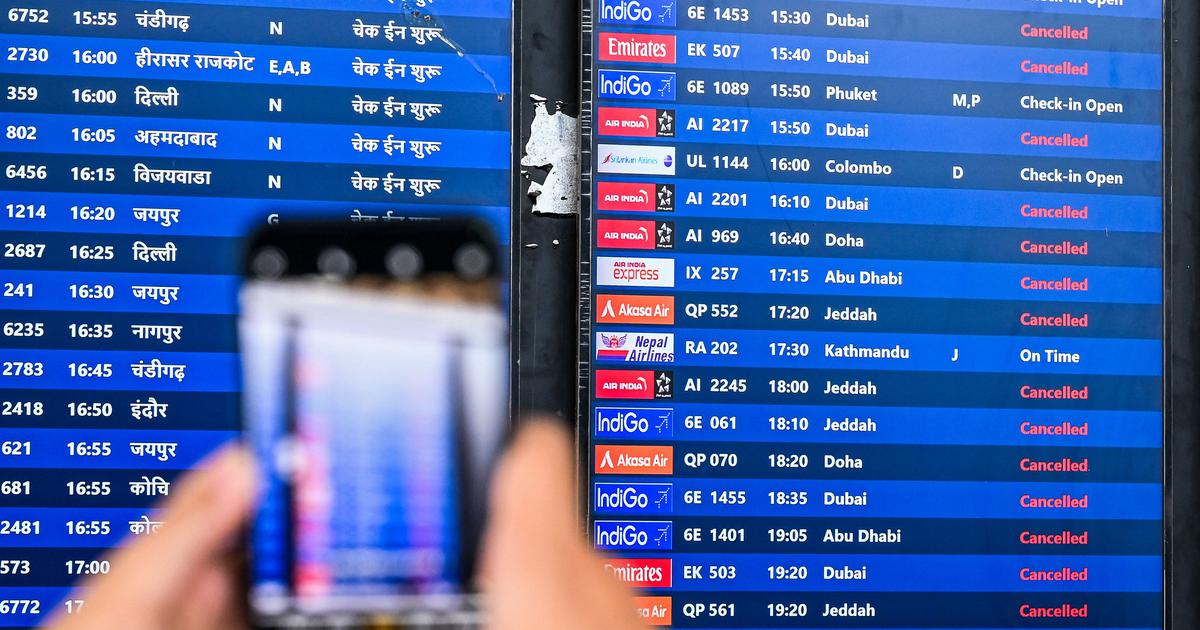 IndiGo and Air India have suspended flights to all destinations in West Asia.
|
Punit Paranjpe/AFP
scroll.in
IndiGo and Air India have suspended flights to all destinations in West Asia.
|
Punit Paranjpe/AFP
scroll.in
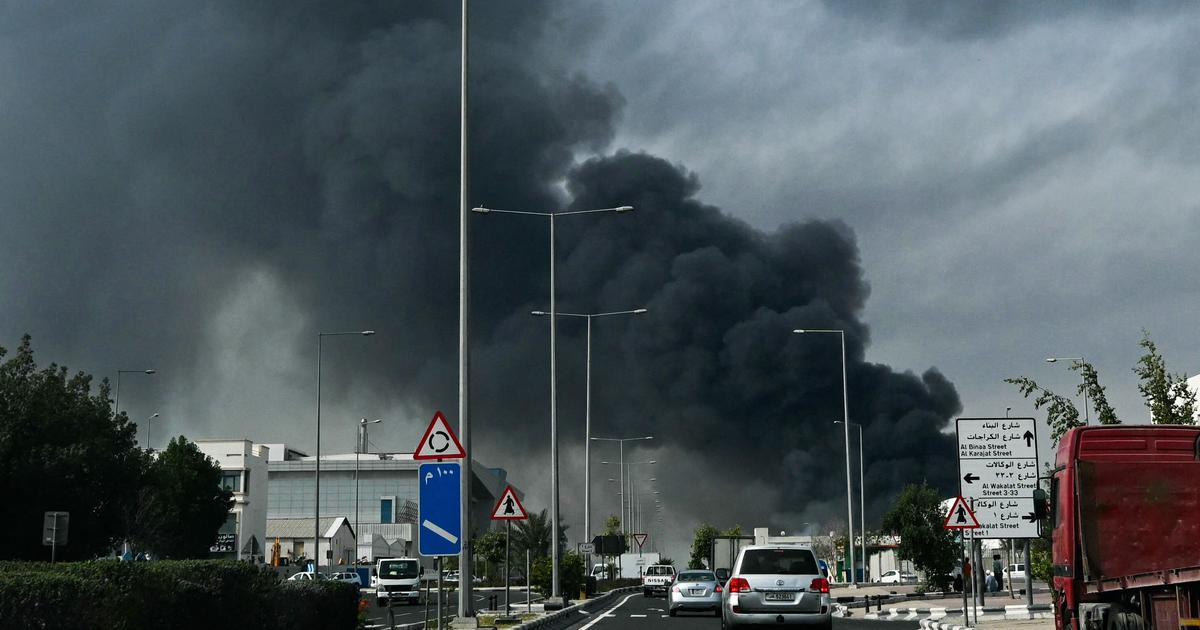 Motorists drive past a plume of smoke rising from a reported Iranian strike in the industrial district of Doha on March 1, 2026.
|
Mahmud Hams / AFP.
scroll.in
Motorists drive past a plume of smoke rising from a reported Iranian strike in the industrial district of Doha on March 1, 2026.
|
Mahmud Hams / AFP.
scroll.in
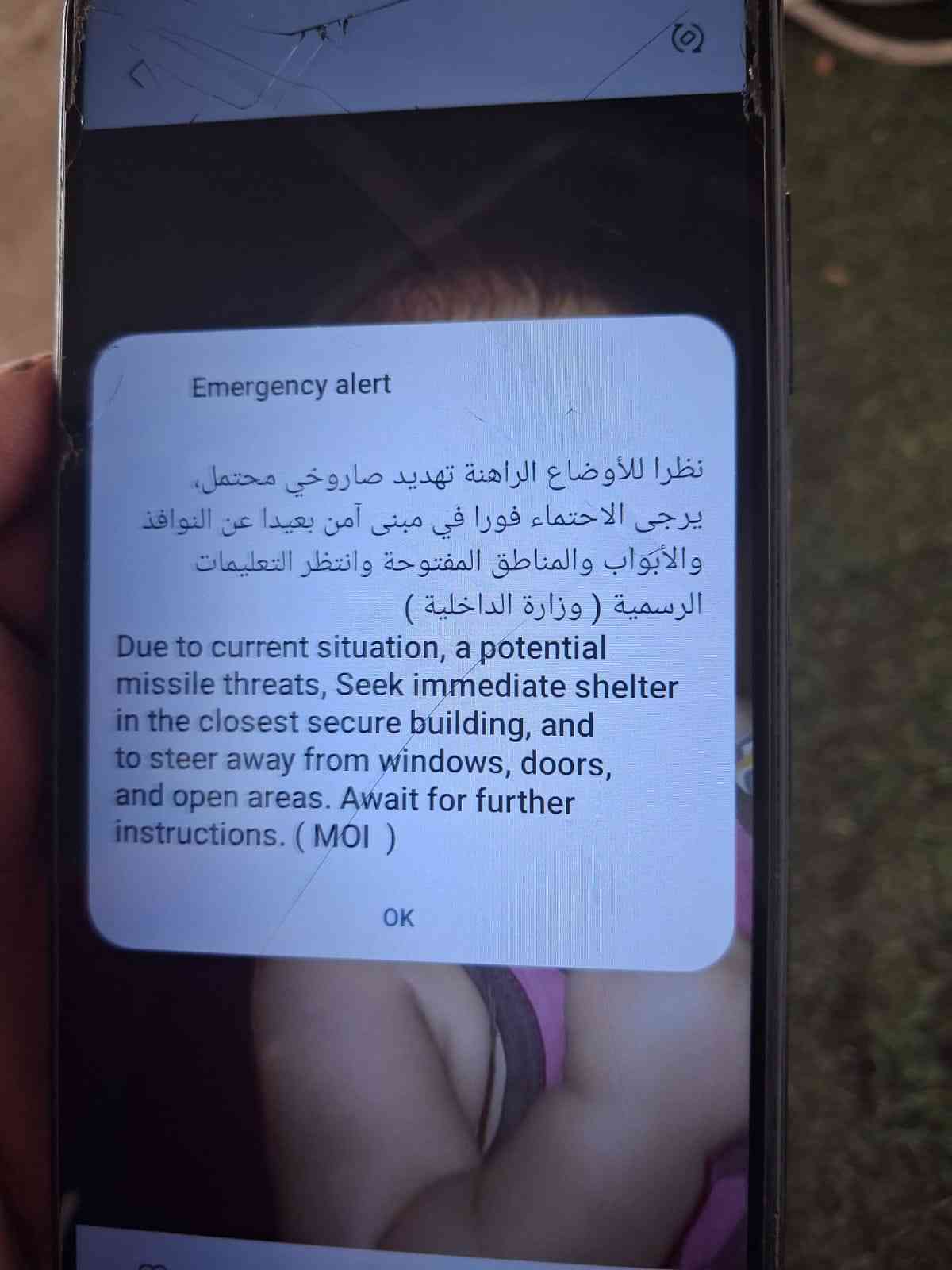 A message from the Dubai authorities to residents. Credit: Special Arrangement.
Special Arrangement.
A message from the Dubai authorities to residents. Credit: Special Arrangement.
Special Arrangement.
Around 100 flights were cancelled in Delhi on Monday as Indian carriers suspended services across much of West Asia after Iranian retaliatory strikes hit Gulf targets, according to Scroll and the Times of India. India’s aviation regulator, the Directorate General of Civil Aviation, issued an urgent advisory telling airlines to avoid the airspace of Iran, Iraq, Israel, Jordan, Lebanon, Kuwait, Saudi Arabia, the United Arab Emirates, Bahrain, Qatar and Oman. IndiGo and Air India paused flights to all destinations in the region, while passengers were told to check flight status before travelling to airports.
The immediate disruption is operational—rerouting around closed corridors, longer flight times, and stranded travellers at hubs like Dubai, Doha and Abu Dhabi—but the deeper exposure is demographic and financial. Scroll notes that more than nine million Indians live and work in Gulf Cooperation Council countries, and remittances from the region are a pillar of household income back home. When airspace closes and ports are hit, the shock is not confined to airlines: it reaches families waiting for wages, banks that intermediate remittance flows, and a current account that benefits from steady foreign earnings.
The Gulf model depends on uninterrupted logistics and predictable security. Indian workers in Dubai and Doha told Scroll they received emergency alerts warning of “a potential missile threat” and to shelter away from windows, while some described buildings shaking from nearby explosions. The same cities are also the transfer points for Indian business travel and for long-haul flights to Europe and North America; India’s Civil Aviation Ministry acknowledged the need for close coordination with carriers to maintain safety and compliance.
This is where private risk turns political. Migrant labour is organised through individual contracts and employer sponsorships, but when regional escalation traps workers or interrupts pay, pressure shifts to the Indian state to provide consular support, extend visas for stranded foreign nationals in India, and plan evacuations. The Ministry of External Affairs said foreigners affected by altered travel plans should contact local registration offices for visa extensions or to regularise their stay—bureaucratic triage that becomes routine when crises last longer than a weekend.
The conflict’s geography also narrows India’s options. Overflights through West Asia are the most efficient route for Indian airlines to Europe and North America; forcing detours raises fuel costs and disrupts schedules, while the loss of Gulf hub connectivity strands passengers who were never intending to enter the conflict zone. Meanwhile, the same region is a major source of India’s energy imports, meaning aviation disruption arrives alongside higher insurance and shipping risk for the wider economy.
On Monday, the DGCA’s no-fly list covered nearly the entire corridor between India and the Mediterranean. For millions of Indian workers in the Gulf, the first sign of escalation was not a diplomatic statement but an alert on a phone and a cancelled flight on an app.