
UK says Iranian missiles flew toward Cyprus bases
British jets expand defensive missions as interceptor stocks thin
Images
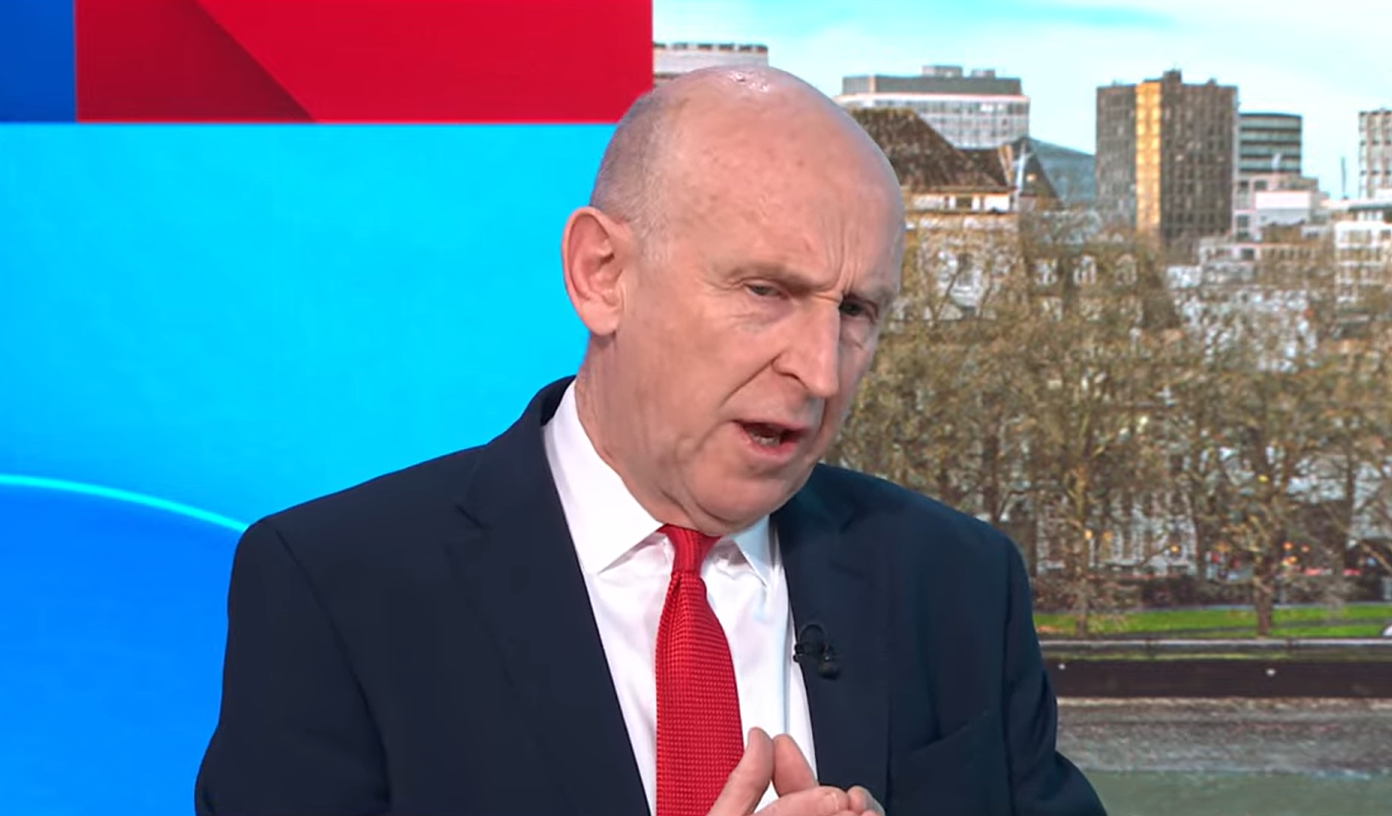 Defence secretary John Healey speaking on Sky News (Sky News)
Sky News
Defence secretary John Healey speaking on Sky News (Sky News)
Sky News
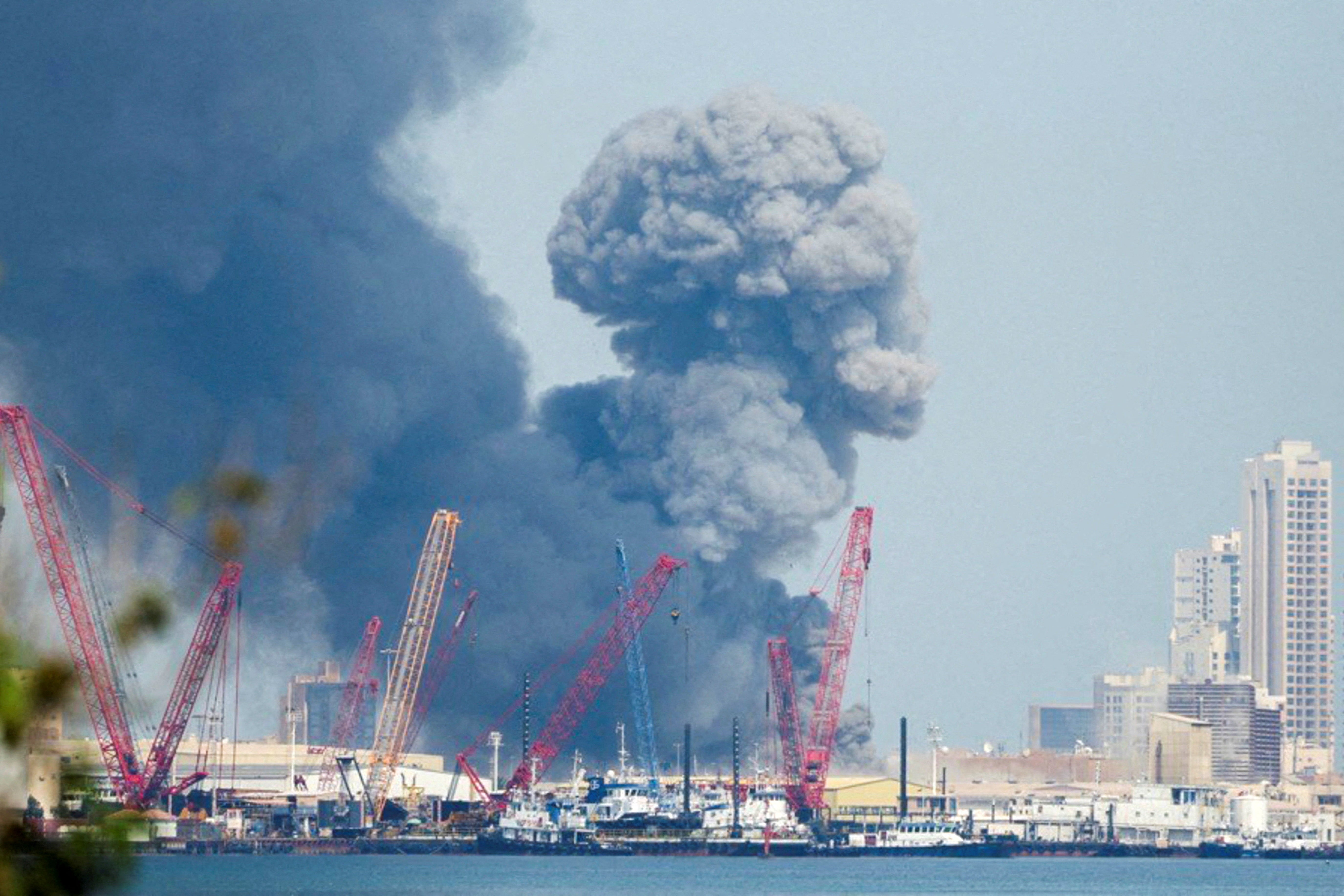 Blasts in Bahrain (REUTERS)
REUTERS
Blasts in Bahrain (REUTERS)
REUTERS
 A Terminal High Altitude Area Defense (THAAD) interceptor is launched from the Pacific Spaceport Complex Alaska in Kodiak, Alaska, in July 2017.
japantimes.co.jp
A Terminal High Altitude Area Defense (THAAD) interceptor is launched from the Pacific Spaceport Complex Alaska in Kodiak, Alaska, in July 2017.
japantimes.co.jp
 A solar farm in Nakai, Kanagawa Prefecture, in March 2016. Japan gets about a tenth of its electricity from solar panels despite having nearly no domestic production of photovoltaics (PVs).
japantimes.co.jp
A solar farm in Nakai, Kanagawa Prefecture, in March 2016. Japan gets about a tenth of its electricity from solar panels despite having nearly no domestic production of photovoltaics (PVs).
japantimes.co.jp
 Sonic the Hedgehog, Castlevania's Alucard and the weak yet lovable Slime from Dragon Quest are just some of Japan's iconic gaming franchises celebrating midlife anniversaries in 2026.
japantimes.co.jp
Sonic the Hedgehog, Castlevania's Alucard and the weak yet lovable Slime from Dragon Quest are just some of Japan's iconic gaming franchises celebrating midlife anniversaries in 2026.
japantimes.co.jp
 A Ukrainian rises in the traditional world of sumo
japantimes.co.jp
A Ukrainian rises in the traditional world of sumo
japantimes.co.jp
Two Iranian missiles were fired “in the direction of Cyprus” as the UK ran defensive air operations from its bases on the island, defence secretary John Healey said on Sunday, according to The Independent. Healey said Britain was “pretty sure they weren’t targeted at our bases,” but described the retaliation as “indiscriminate” and confirmed British aircraft were intercepting missiles and drones over the region.
The remark matters less for what it says about intent than for what it implies about capacity. Cyprus is not only a patch of sovereign UK territory in the eastern Mediterranean; it is a logistics node for surveillance, air policing and strike missions that now sits inside the flight paths of long‑range weapons. Healey’s description of UK jets “taking them down” when they see threats aimed at other countries suggests a widening mission set that is hard to reconcile with finite stocks of interceptors and airframe hours. Bloomberg, cited by The Japan Times, notes that the ability of the US, Israel and Gulf states to absorb Iranian salvos depends on how many missile interceptors they have, and warns stocks may already be “dangerously low” after heavy combat the previous year.
That arithmetic is the quiet constraint in any prolonged exchange. Iran’s toolkit—ballistic missiles, cruise missiles and drones—includes cheap, mass‑produced systems designed to force defenders into repeated, expensive shots. Interceptors are the opposite: complex, limited in number, and slow to replace. Even when an incoming object is successfully destroyed, the defender has converted inventory into smoke, then has to pay again to restock—often through long procurement queues and politically managed production lines. In that sense, “deterrence” becomes a running operating cost, not a one‑off crisis response.
For Europe, Cyprus sits at the intersection of two dependencies: the US‑led security architecture and the commercial routes that keep the continent connected to the Gulf and Asia. When bases there are drawn into regional air defence, the question is not only whether they can be protected, but how long they can be kept at a higher tempo without hollowing out reserves elsewhere. The same governments that urge airlines and households to plan for disruptions rarely publish comparable public plans for interceptor burn rates, surge manufacturing, or who pays when the bill arrives.
Healey said some 300 UK personnel were close to targets in Bahrain, and that British planes flying from Cyprus were protecting Cyprus “against any missiles or drones.” The missiles, he added, were fired toward the island anyway.