
Sicily revokes Mondello beach concession
Century old permit pulled after subcontractor flagged for mafia infiltration, Public shoreline treated like private property until paperwork changes
Images
 Mondello beach in Palermo, Sicily, is famed for its turquoise waters, sandy shores, and picturesque backdrop. Photograph: Kess16/Alamy
theguardian.com
Mondello beach in Palermo, Sicily, is famed for its turquoise waters, sandy shores, and picturesque backdrop. Photograph: Kess16/Alamy
theguardian.com
 Residents and tourists have complained for nearly a century that private lidos, cabins and deckchairs have left scant room for public access to Mondello beach. Photograph: Igor Petyx/EPA
theguardian.com
Residents and tourists have complained for nearly a century that private lidos, cabins and deckchairs have left scant room for public access to Mondello beach. Photograph: Igor Petyx/EPA
theguardian.com
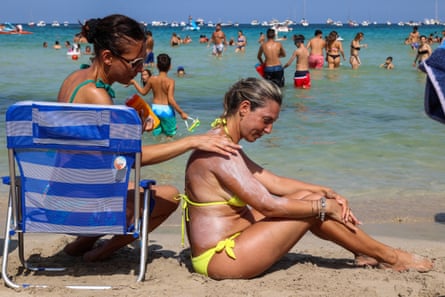 Private beach resorts along Italy’s extensive coastlines reported declines of between 15% and 25% last June and July compared with the same period in 2024. Photograph: Reuters
theguardian.com
Private beach resorts along Italy’s extensive coastlines reported declines of between 15% and 25% last June and July compared with the same period in 2024. Photograph: Reuters
theguardian.com
Sicily’s regional authorities have revoked the concession for Mondello beach in Palermo after citing the risk of mafia infiltration linked to a subcontractor, ending a private arrangement that has lasted for more than a century. The Guardian reports that the permit holder, Italo Belga, had controlled access to the beach since the early 1900s, building an ecosystem of private lidos, cabins and paid deckchairs that residents say left little room for public use. The revocation order, issued on Thursday by the regional department for territory and environment, points not to Italo Belga’s senior management but to outsourcing: maintenance work was contracted to a firm flagged by the prefect of Palermo for criminal infiltration risk.
Mondello is a textbook case of why public concessions behave like private property once they run long enough. A firm that can reliably sell access to a scarce asset—sand, shade, parking, showers—can borrow against that cashflow, invest in structures that make the arrangement feel permanent, and cultivate political relationships to keep rivals out. The beach itself does not move, and the customer base returns every summer; what changes is the price, and who gets to collect it. When the state grants exclusive use rights at below-market fees, the difference becomes a predictable rent. That rent is attractive to any actor that can enforce informal contracts and discourage competition.
The anti-mafia mechanism used here is not a criminal conviction but an administrative veto. According to the Guardian, Italo Belga says it terminated its relationship with the subcontractor, GM Edil, after the prefecture issued an “anti-mafia interdiction” order. The regional revocation argues that the outsourcing showed a “systematic willingness” to employ individuals close to Cosa Nostra figures in the Mondello area, even if the concession holder’s executives themselves are not under investigation. That distinction matters: it lowers the evidentiary bar, but also widens the blast radius. A concession holder can comply with formal rules and still lose the asset if its supply chain becomes politically toxic.
The timing also intersects with a broader national fight over Italy’s beach concessions. For years, Italians have complained about rising prices at private beach resorts and limited public access; last season saw a drop in visitors to paid lidos, Reuters figures cited by the Guardian suggest, as households cut discretionary spending. In that environment, a century-old concession looks less like heritage and more like a protected monopoly. Revocation becomes both an enforcement tool and a redistribution opportunity: once the permit is pulled, someone else can be awarded the right to run the beach under a new contract.
Italo Belga says it is considering appeals and administrative litigation. For now, the most concrete change is that one of Europe’s best-known beaches has lost the legal document that made a private business the gatekeeper of its shoreline.