
Iran strikes rattle Dubai hubs
Fires at Burj Al Arab and airport injuries expose Gulf logistics fragility, Small physical damage triggers large insurance and rerouting costs
Images
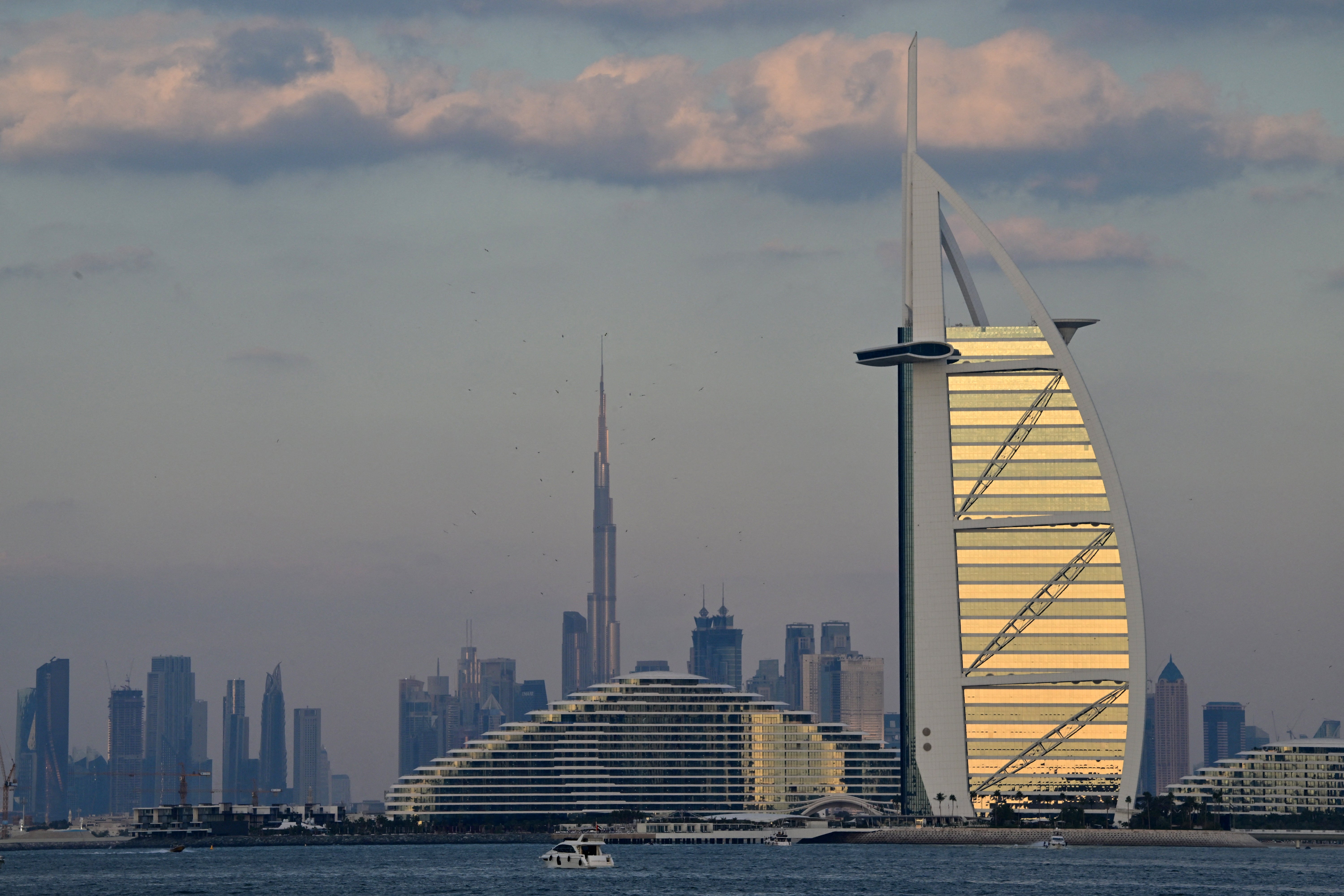 The Burj al-Arab tower, an iconic hotel in Dubai, is on fire after being hit by shot-down Iranian drone (AFP via Getty Images)
AFP via Getty Images
The Burj al-Arab tower, an iconic hotel in Dubai, is on fire after being hit by shot-down Iranian drone (AFP via Getty Images)
AFP via Getty Images
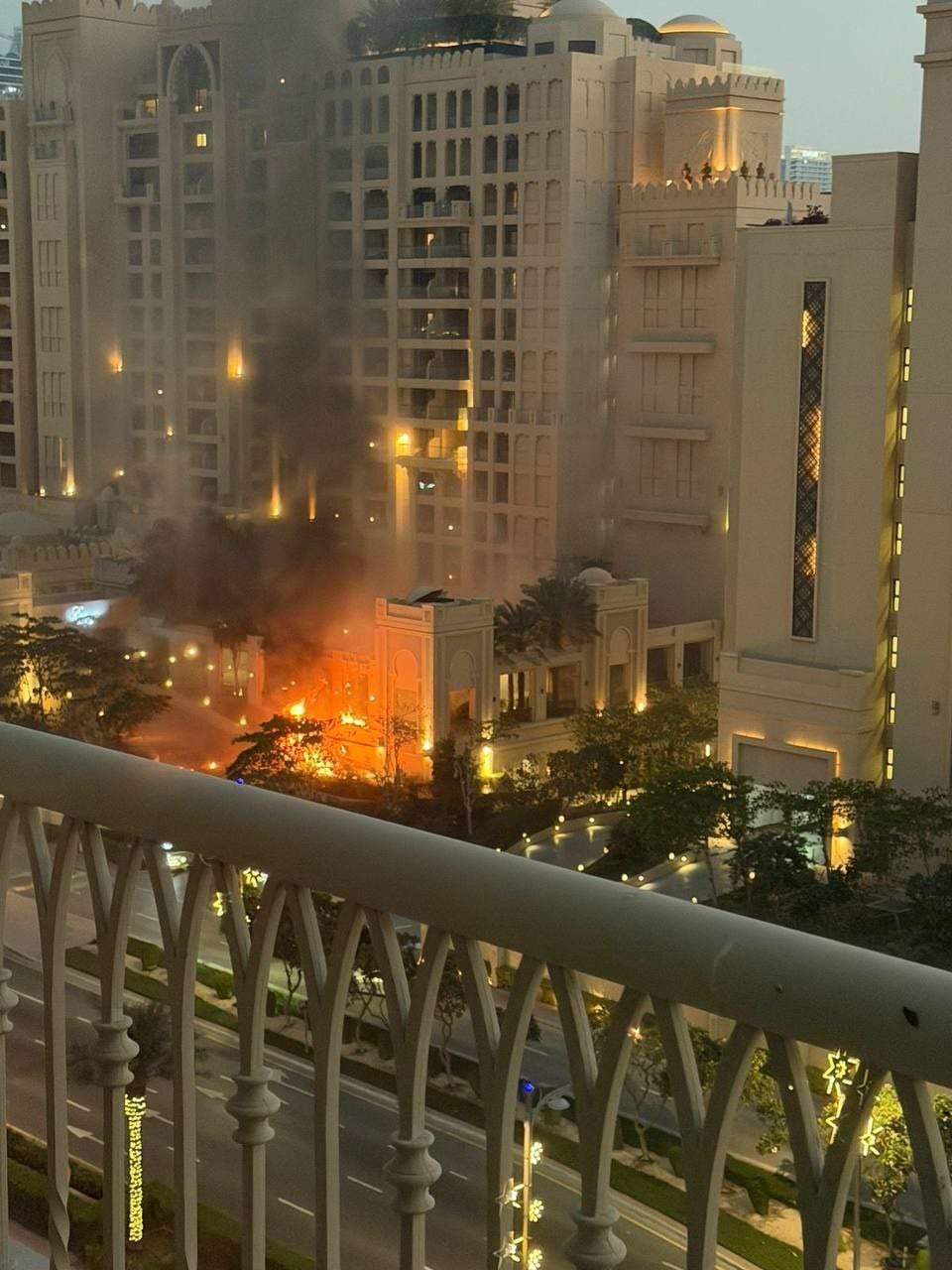 A fire broke out outside the Fairmont The Palm hotel in Dubai’s prestige Palm Jumeirah neighborhood (@LunaETHWhale/X)
@LunaETHWhale/X
A fire broke out outside the Fairmont The Palm hotel in Dubai’s prestige Palm Jumeirah neighborhood (@LunaETHWhale/X)
@LunaETHWhale/X
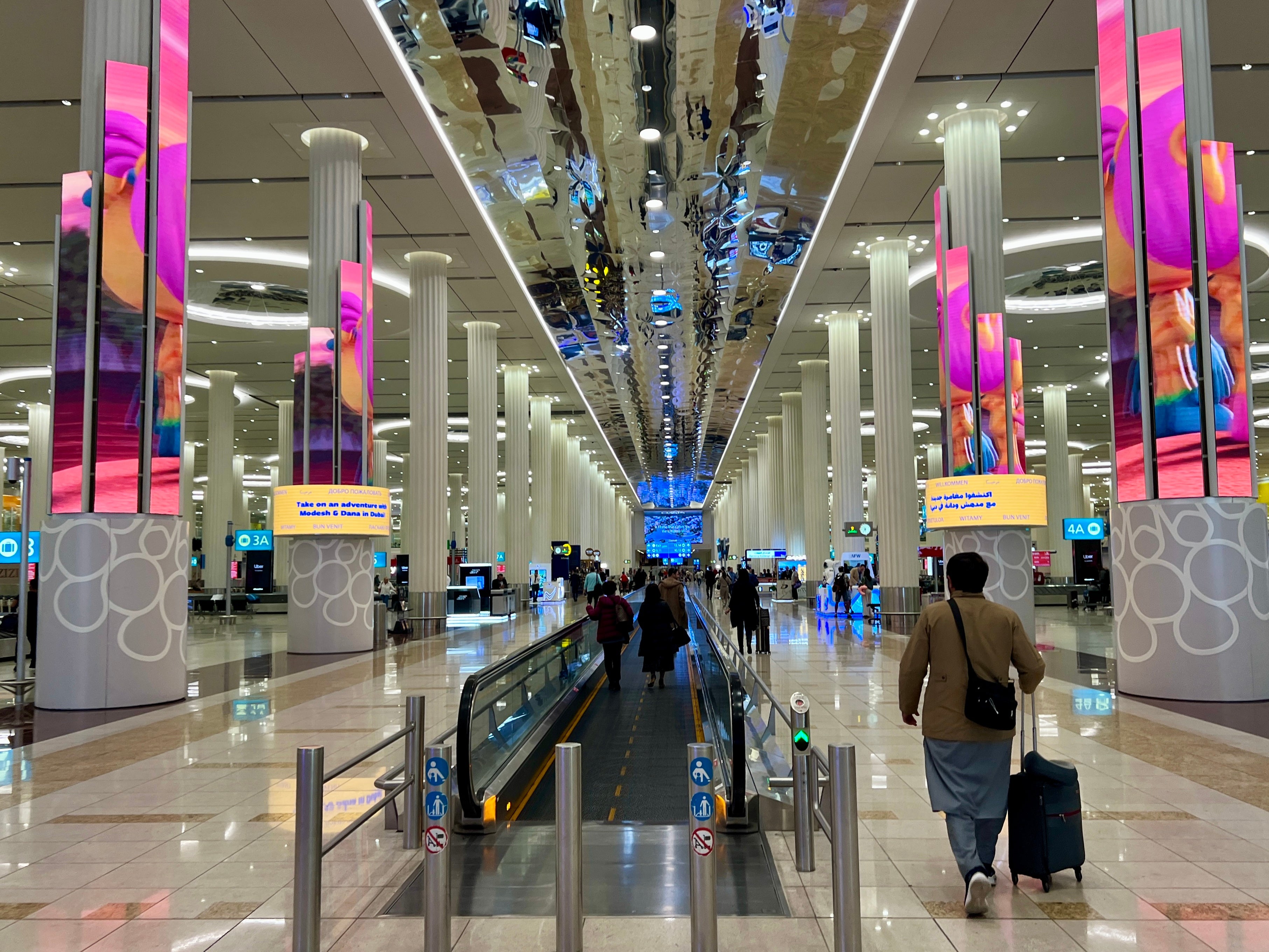 Dubai airport (Simon Calder)
Simon Calder
Dubai airport (Simon Calder)
Simon Calder
A fire on the Burj Al Arab’s outer facade and injuries at Dubai International Airport were among the most visible signs on Saturday that Iran’s retaliation is aimed at the Gulf’s logistics layer, not just military targets. Dubai’s media office said debris from an intercepted drone caused a “minor fire” on the landmark hotel and that four staff were injured after an incident that damaged part of an airport concourse. Reuters video and eyewitness clips circulated of drones and debris striking high-rises and port areas, including a fire at Jebel Ali, as regional air defenses engaged incoming projectiles.
The immediate economic consequence is not the cost of repairing a facade or replacing glass, but the fragility it reveals in a model built on uninterrupted throughput. Dubai, Doha and Abu Dhabi function as transfer machines: airports that funnel passengers between Europe, Africa and Asia; ports that move containers and refined products; hotel districts that sell safety and predictability to global business. When the airspace closes, as it did across much of the region, the hubs lose their main product—reliable connectivity—and the losses cascade outward to airlines, freight forwarders, tourism operators and insurers.
Dubai International is the world’s busiest airport for international travel, and its advantage is geography: it sits on the shortest arcs between continents. Once aircraft must detour around closed corridors, flight times rise, crews time out, and aircraft rotations break. Airlines then cancel flights pre-emptively to avoid having planes and crews stranded in the wrong place. The Independent reported that major carriers suspended services and that thousands of passengers were left stuck as Gulf airspace restrictions spread.
The same logic applies to the Gulf’s luxury skyline. A brief fire on a globally recognisable hotel becomes a reputational problem because the product is not a room but a promise: that a traveller can route through Dubai and sleep in Dubai without becoming part of the war. In practice, the risk is priced by intermediaries. War-risk underwriters raise premiums; airports and airlines add surcharges; cargo owners pay for longer routes and higher fuel burn. Even when damage is limited, the insurance and compliance machinery treats uncertainty as a billable event.
Governments then step in as the backstop. Air defense interceptors, naval patrols and emergency response are funded publicly, while the higher costs are distributed privately through ticket prices and shipping rates. The Gulf hubs keep operating because someone else absorbs the tail risk—until a strike lands in a place that forces a longer shutdown.
Dubai’s media office said there were no injuries at the Burj Al Arab incident and that the fire was brought under control. At the airport, four staff received medical attention, and the terminals had largely been cleared of passengers under contingency plans.