
South Africa deploys army to high-crime provinces
Ramaphosa targets gangs and illegal mining after police failures, temporary force replaces broken prosecution
Images
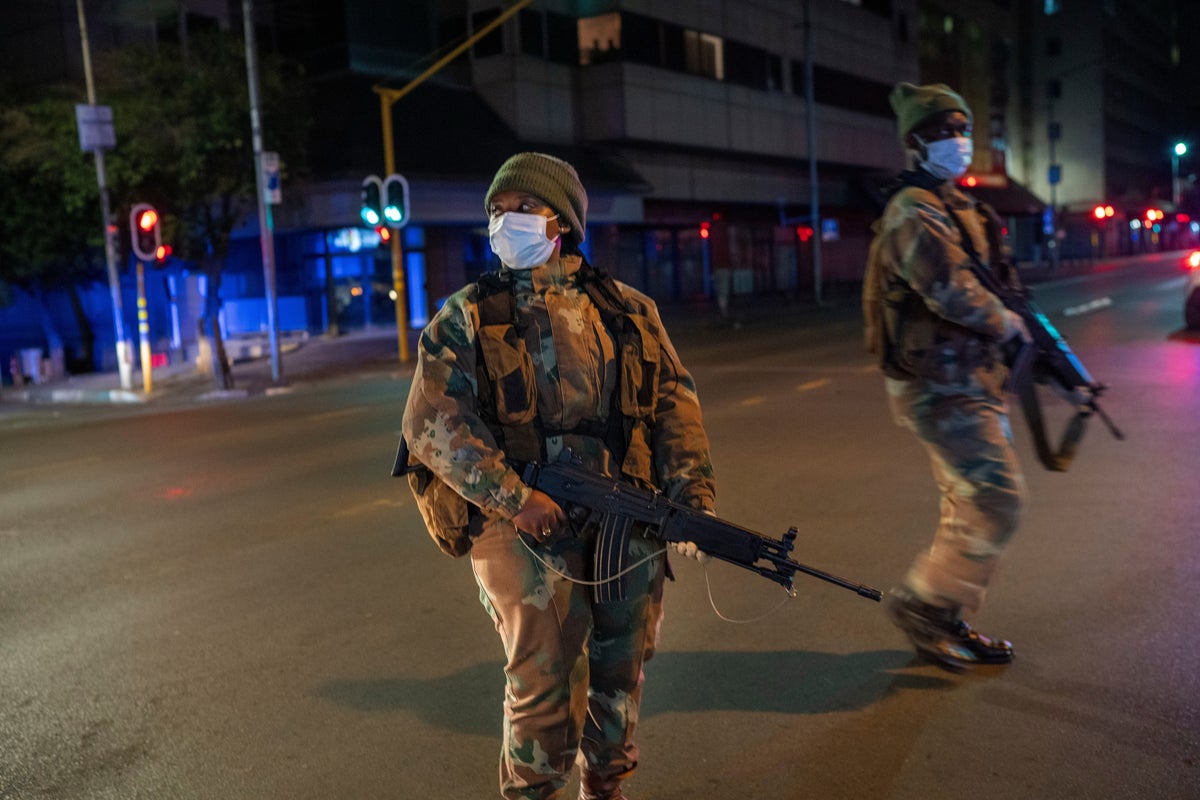 Soldiers on the streets. What's behind South Africa's plan to deploy army in high-crime areas
independent.co.uk
Soldiers on the streets. What's behind South Africa's plan to deploy army in high-crime areas
independent.co.uk
South African President Cyril Ramaphosa says he will deploy the army to high-crime areas in three provinces to combat organized crime, gang violence and illegal mining, according to The Independent. The announcement targets Western Cape, Gauteng and Eastern Cape—regions that include Cape Town and Johannesburg and account for some of the country’s worst violence.
In Cape Town’s Cape Flats, gangs compete over drug markets and extortion rackets, with bystanders frequently caught in crossfire, the paper reports. In Gauteng, authorities have struggled for years with illegal gold mining around abandoned shafts, where armed syndicates recruit “zama zamas” to work underground and defend operations. The Independent cites government estimates of roughly 30,000 illegal miners operating across thousands of abandoned shafts, and puts the value of gold lost to criminal syndicates at more than $4 billion a year.
Sending soldiers is an admission that the ordinary policing and prosecution pipeline is not producing visible control. Military deployments can suppress violence in the short term—more checkpoints, more patrols, faster response—but they do not fix case backlogs, witness intimidation, corrupt local networks or the incentives that make illegal mining and protection rackets profitable. Once troops arrive, local officials gain a way to show action without changing the institutions that failed.
The deployment also shifts political responsibility. If crime falls, the government claims success; if it doesn’t, the blame can move to “extraordinary conditions” rather than day-to-day governance. Meanwhile, the army inherits tasks that are hard to define and easy to expand: guarding infrastructure, controlling neighborhoods, managing protests, supporting raids. South Africa’s own history makes this sensitive. The Independent notes that older South Africans will remember troops used to suppress anti-apartheid protest, and Ramaphosa said the army should not be deployed “without a good reason.”
There is also a cross-border dimension. The Independent reports that illegal mining is believed to be controlled largely by migrants from Lesotho, Zimbabwe and Mozambique, fueling local anger at both criminal bosses and foreigners living nearby. A security operation framed around “syndicates” can quickly become an immigration dragnet when the easiest arrests are at the bottom of the hierarchy.
Ramaphosa did not give a timeline for the deployments. The country’s gangs and illegal mines will still be there when the soldiers rotate out.