
Memphis Zoo closes bonobo exhibit after safety glass cracks
Visitors filmed laughing as primate launches at barrier, Custom replacement leaves animals with reduced space
Images
 nbcnews.com
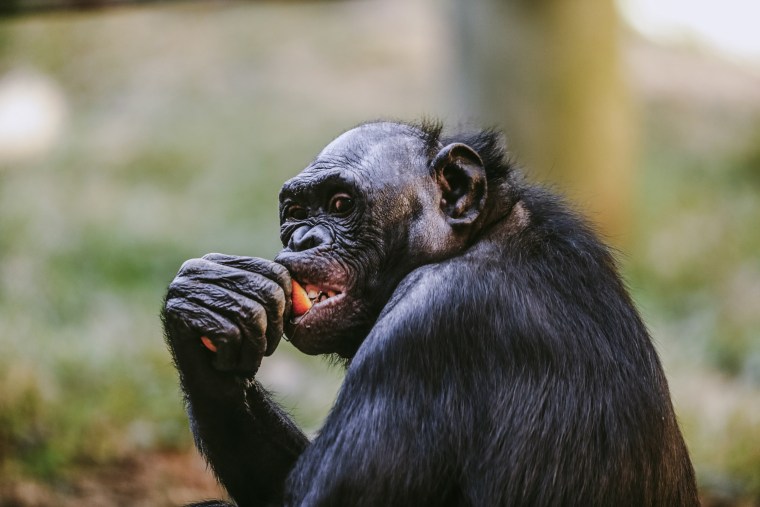 A bonobo at the Memphis Zoo in 2023. The zoo urged visitors to always behave — for the animals' sake.Stu Boyd II-The Commercial Appeal / USA Today Network via Imagn
nbcnews.com
A bonobo at the Memphis Zoo in 2023. The zoo urged visitors to always behave — for the animals' sake.Stu Boyd II-The Commercial Appeal / USA Today Network via Imagn
nbcnews.com
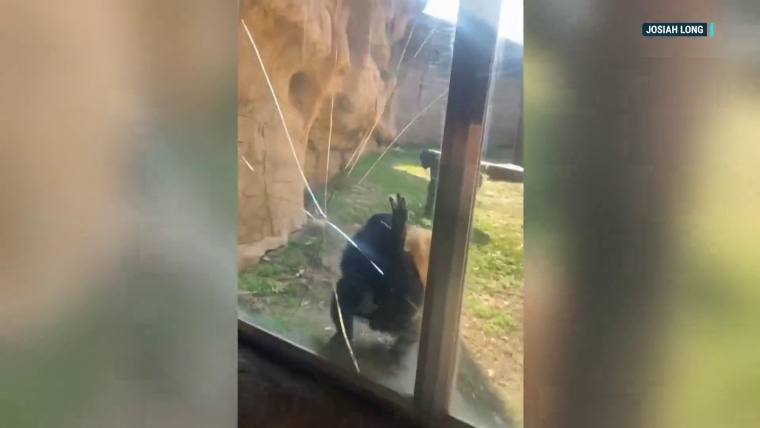
A bonobo at the Memphis Zoo cracked the reinforced glass of its exhibit after launching itself toward visitors, prompting the zoo to close the habitat while it waits for a custom replacement panel. Video verified by NBC News shows patrons laughing as the animal hits the barrier; the zoo said no one was injured and the enclosure was not breached.
The incident is a small but revealing stress test of the modern zoo business model, which increasingly sells “up-close” viewing as a safe, family-friendly product. The Memphis Zoo described the barrier as “multiple layers of reinforced safety glass” built to “rigorous safety standards,” yet the outcome still includes a prolonged closure because the damaged component is “specially fabricated.” That combination—premium promise, bespoke hardware, long lead times—means the risk of a single failure is less about immediate harm and more about operational disruption and foregone ticket revenue.
The zoo also suggested the animal may have been “taunted or set off by visitors,” and used the episode to reiterate rules against shouting, striking glass, or crowding barriers. In practice, the incentives are mixed: the closer and more theatrical the viewing experience, the more it attracts exactly the kind of noisy, attention-seeking behavior that stresses animals and tests barriers. When a display is designed to feel intimate, the line between “engaging” and “provoking” becomes a matter of crowd control, not architecture.
The costs of that ambiguity land unevenly. The zoo’s statement noted that during repairs the bonobos will have “limited access” to parts of their outdoor habitat, directly constraining their space and routine. Visitors, meanwhile, lose an attraction; the zoo absorbs repair and downtime; and the animal bears the most immediate consequence—reduced habitat access—despite having no say in the conditions that produced the incident.
Beyond the exhibit, the species’ status underscores the mismatch between conservation messaging and captive display economics. The International Union for Conservation of Nature classifies bonobos as endangered, and NBC News notes that enforcement of protections in their native Democratic Republic of Congo is not assured. Zoos often position themselves as conservation institutions, but the day-to-day reality—crowds, glass, spectacle, and maintenance schedules—looks more like retail with live inventory.
The zoo says the glass held and that the outer layers “remained fully intact.” The exhibit is closed anyway, and the bonobos will be kept from using their full outdoor space until a replacement panel arrives.