
UK withdraws Tehran embassy staff
US departure orders and carrier deployments raise perceived Iran strike risk, consular logistics becomes a market signal
Images
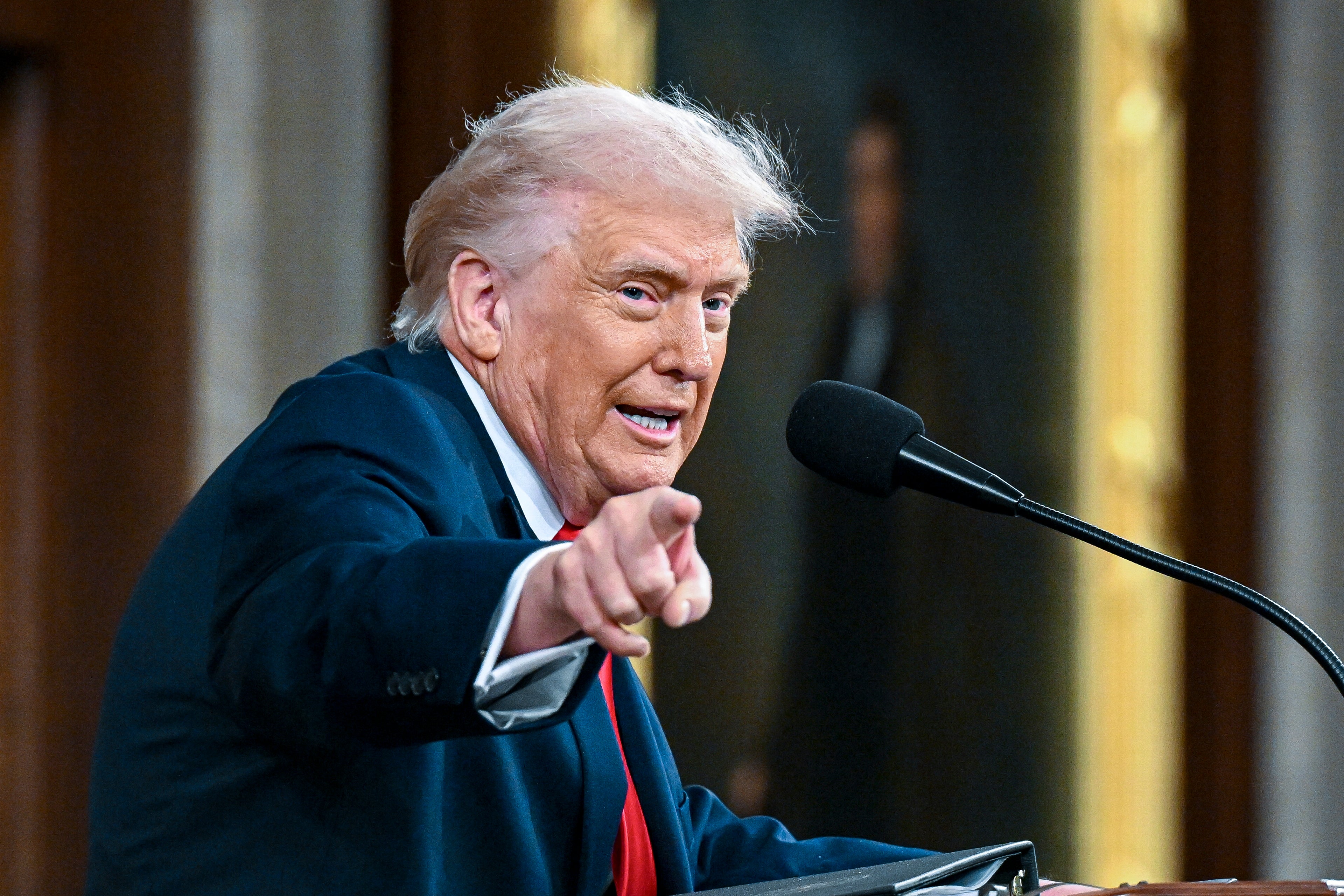 Donald Trump says diplomacy remains the preferred outcome, but refuses to rule out strikes if Iran does not make a deal (Getty)
Getty
Donald Trump says diplomacy remains the preferred outcome, but refuses to rule out strikes if Iran does not make a deal (Getty)
Getty
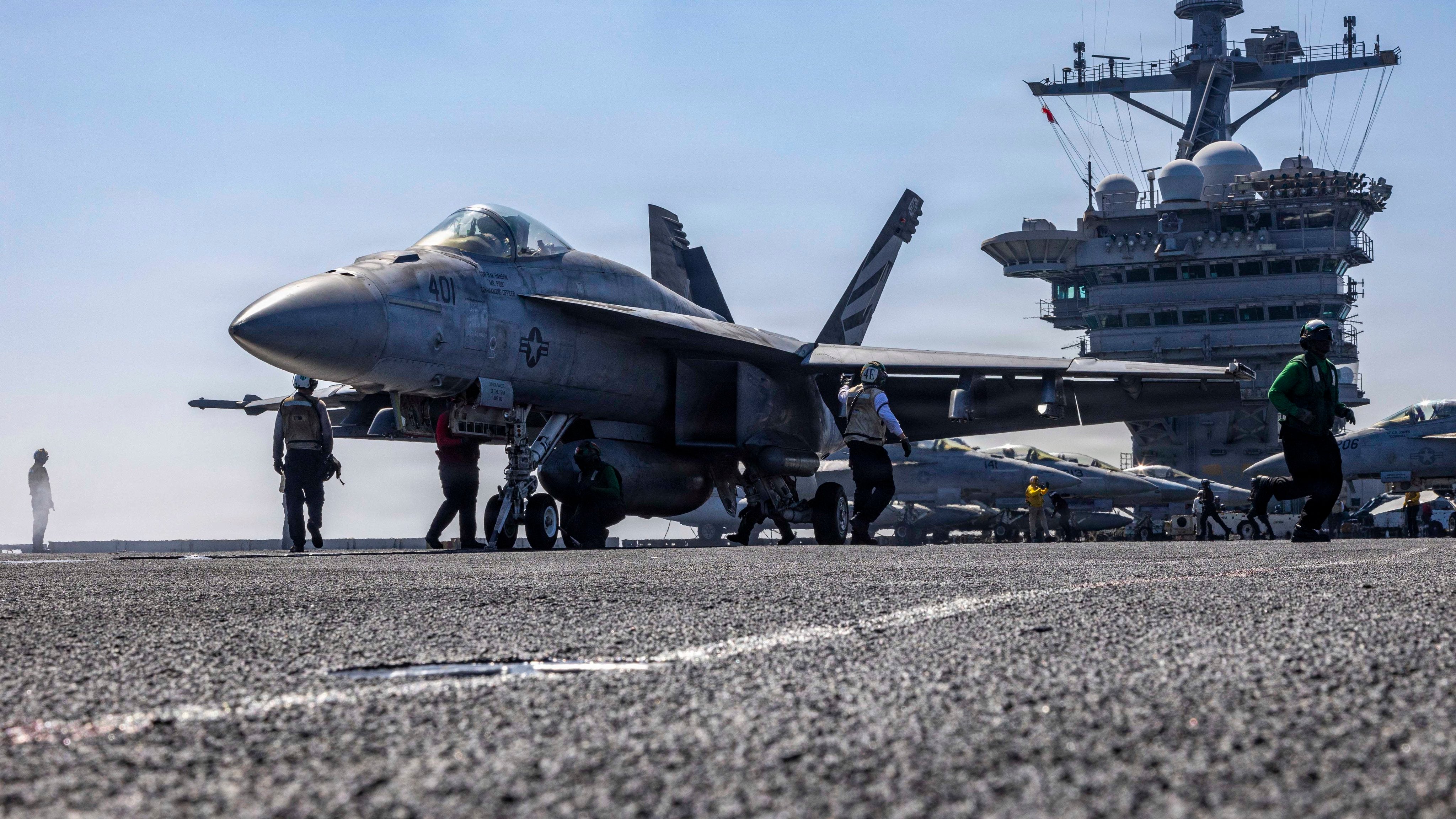 Strike Fighter Squadron (VFA) 151 conducts flight operations aboard USS Abraham Lincoln (CVN 72) in the Arabian Sea (US Centcom)
US Centcom
Strike Fighter Squadron (VFA) 151 conducts flight operations aboard USS Abraham Lincoln (CVN 72) in the Arabian Sea (US Centcom)
US Centcom
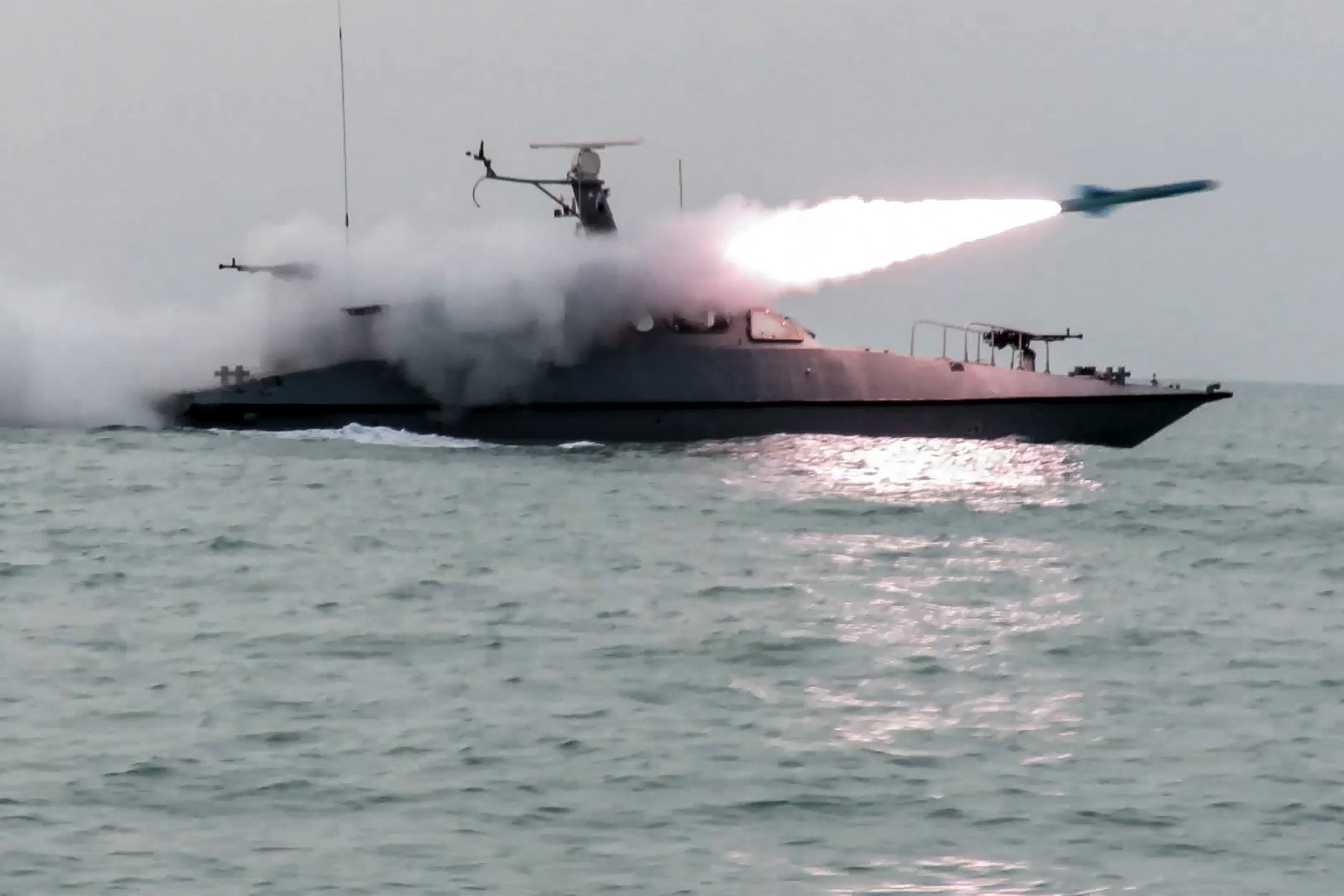 An Iranian warship fires a missile during drills earlier in February (Sepha News)
Sepha News
An Iranian warship fires a missile during drills earlier in February (Sepha News)
Sepha News
Britain has temporarily withdrawn staff from its embassy in Tehran as Washington signals it could strike Iran if nuclear talks fail, with Donald Trump’s deadline for an agreement expected within days. The UK Foreign Office said the embassy would continue operating remotely and warned it could offer only limited help to British nationals in Iran, according to The Independent. The move follows the US authorising departures of non-essential embassy staff and family members from Israel, while France and China issued fresh guidance to their citizens about the risk of escalation.
The practical effect of pulling diplomats out is modest—consular services shrink and communications become harder—but the market effect can be immediate. An embassy drawdown is a public indicator that a government is treating the risk of conflict as near-term, not hypothetical. That changes behaviour down the chain: airlines adjust schedules, shipping companies review routes, and insurers reprice war-risk cover. In the Gulf, where a large share of global oil and LNG moves through narrow sea lanes, even a small shift in perceived probability can lift freight rates and insurance premiums before any military action occurs.
The Independent reports that the US has reinforced its regional posture, including the arrival of the USS Gerald R Ford off Israel and additional US naval forces operating in the northern Arabian Sea. Such deployments are costly signals in their own right: they require logistics, basing, and political justification at home, and they make de-escalation harder to sell once assets are in place. Iran, for its part, continues to frame enrichment as a sovereign right and objects to demands that would end enrichment or dismantle facilities—positions that have repeatedly stalled past negotiations.
Diplomatic withdrawals also work as a form of internal commitment. Once staff are pulled out and travel warnings are issued, governments face a reputational and political cost if they later appear to have overreacted. That can narrow the set of acceptable outcomes and increase pressure to demonstrate resolve, particularly when deadlines are publicly announced. In parallel, private actors—insurers, shipowners, commodity traders—treat the same signals as inputs into pricing models, passing higher risk costs to energy buyers and ultimately consumers.
Britain said its ability to assist nationals in Iran is now “extremely limited”. The embassy remains open in name, but the staff have already left the building.