
Trump floats friendly takeover of Cuba
US fuel squeeze and exile politics shape the leverage, takeover talk costs less than rebuilding
Images
 Soldiers collect garbage in Old Havana, Cuba, on Thursday. Photograph: Ramón Espinosa/AP
theguardian.com
Soldiers collect garbage in Old Havana, Cuba, on Thursday. Photograph: Ramón Espinosa/AP
theguardian.com
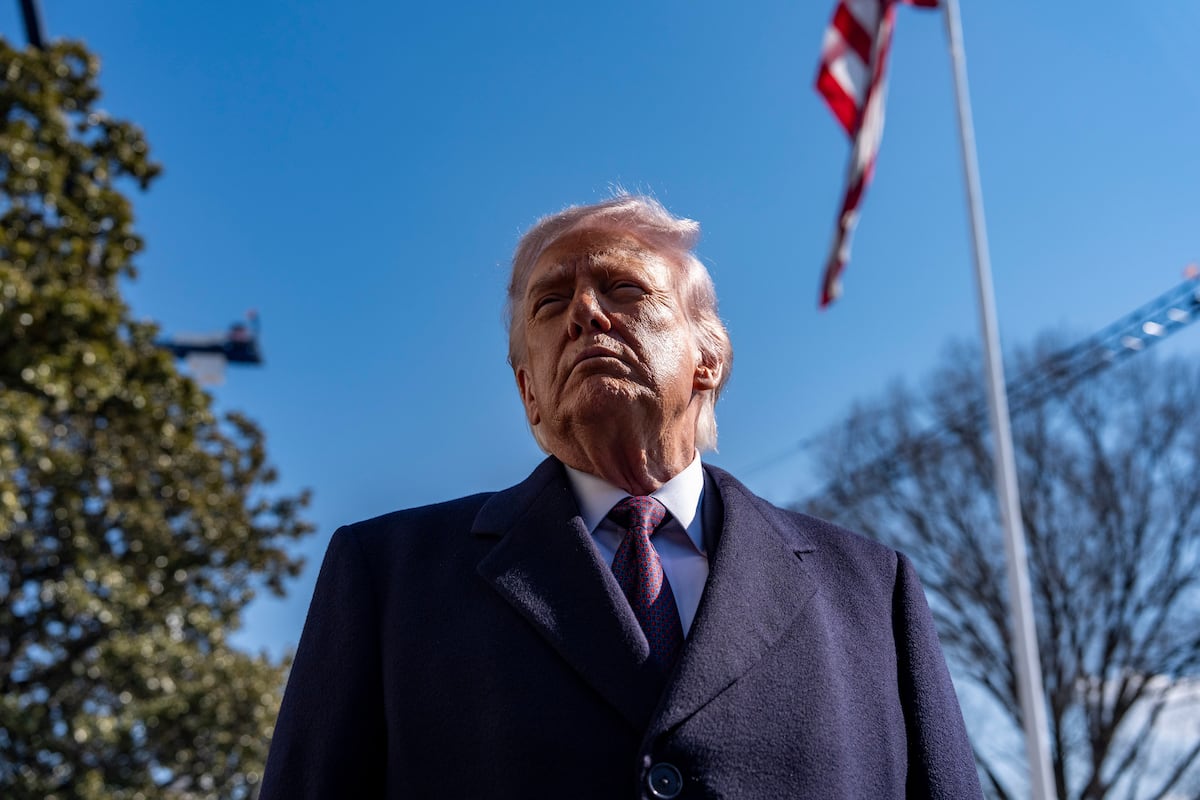 Trump: ‘Maybe we’ll have a friendly takeover of Cuba’
english.elpais.com
Trump: ‘Maybe we’ll have a friendly takeover of Cuba’
english.elpais.com
Donald Trump said on Friday that the United States might pursue a “friendly takeover” of Cuba, as Washington tightens economic pressure on Havana and hints at back-channel contacts.
Speaking before a campaign trip, Trump claimed the Cuban government was “talking with us” and “in a big deal of trouble,” according to The Guardian. El País reports he linked any potential opening to the interests of Cuban exiles in Florida who “want to go back,” while again ruling out a Venezuela-style military intervention.
The remark lands in a moment when Cuba’s vulnerability is unusually legible in the numbers that matter: fuel, foreign exchange and shipping. The Guardian describes an “oil blockade” and notes that Venezuela has cut off exports to Cuba after political upheaval in Caracas. That combination hits the island where it cannot improvise—electricity generation, transport, and the basic logistics that keep food moving. Washington’s leverage here is not a landing force; it is control over payment rails, shipping insurance, and the secondary sanctions that make third countries think twice before selling oil.
That is also why takeover language functions as a cheap instrument. It signals resolve to domestic audiences—especially in Miami—without committing the US to the expensive part of regime change: occupation, reconstruction and the long tail of responsibility when institutions collapse. Trump’s own comments suggest the asymmetry: he frames Cuba as bankrupt and dependent, yet offers no concrete mechanism beyond “something good” and “help.” Even the reported contacts cited by both outlets read less like a blueprint than a probe—who in the Cuban elite is looking for an exit, and what can be traded for energy relief.
For Havana, talks under blockade are not negotiations between equals; they are triage. Cuba’s leadership has long insisted that any dialogue must respect sovereignty, El País notes, but sovereignty is harder to defend when fuel deliveries can be choked off by decisions made in Washington and enforced through global finance. For Washington, the temptation is to keep the pressure high while dangling selective relief—enough to split elites and satisfy diaspora politics, not enough to underwrite the system.
Trump’s phrase “friendly takeover” is new, but the toolkit is familiar: sanctions tightening, selective licensing, and the promise of access to dollars in exchange for political concessions.
On Friday, the only concrete change was rhetorical.
Cuba still needs fuel, and the US still controls many of the ways it can be paid for.