
Family voting allegations hit UK byelection
Election Commission tells voters report offences to police, Greens win as enforcement costs stay local
Images
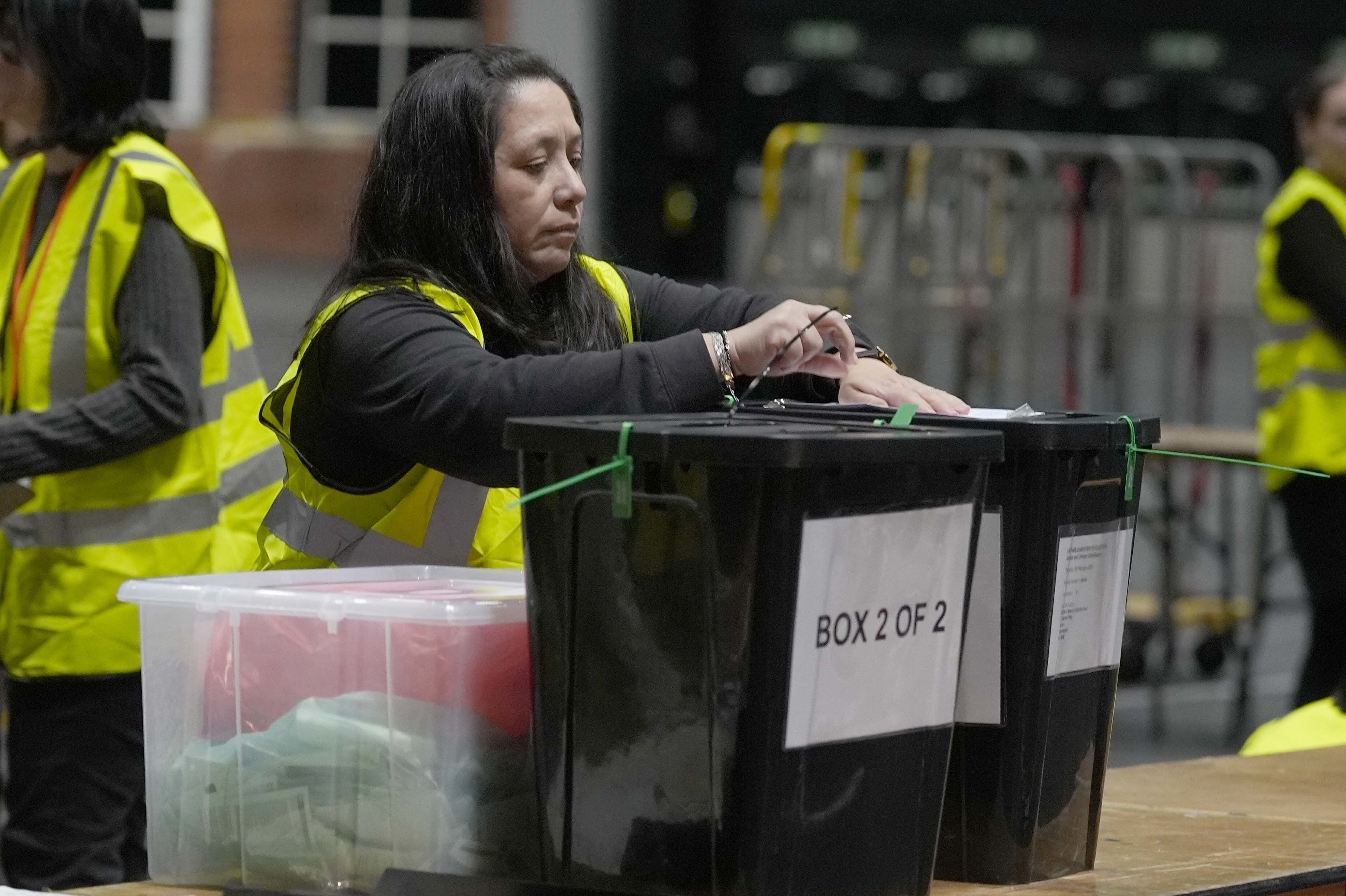 Ballot boxes begin arriving before votes are counted for the Gorton and Denton by-election at Manchester Central (Peter Byrne/PA) (PA Wire)
PA Wire
Ballot boxes begin arriving before votes are counted for the Gorton and Denton by-election at Manchester Central (Peter Byrne/PA) (PA Wire)
PA Wire
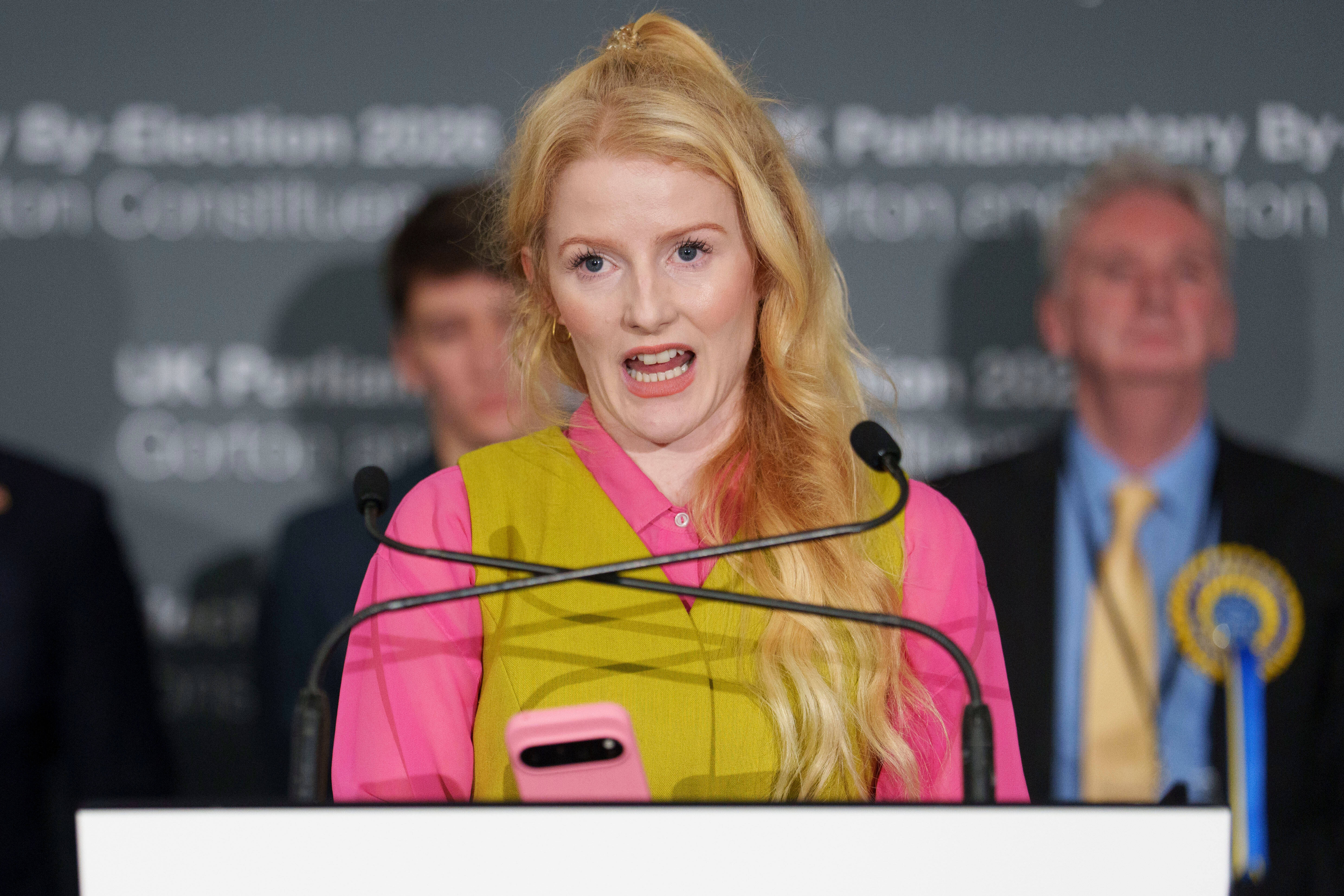 The Green Party candidate Hannah Spencer speaks after winning the Gorton and Denton by-election (Jon Super)
Jon Super
The Green Party candidate Hannah Spencer speaks after winning the Gorton and Denton by-election (Jon Super)
Jon Super
Family voting allegations hit UK byelection, watchdog points complainants to police, Greens win as parties chase bloc turnout
Election observers say they witnessed “family voting” in 15 of the 22 polling stations they monitored during the Gorton and Denton by-election, a practice outlawed by the Ballot Secrecy Act 2023. According to The Independent, Democracy Volunteers recorded 32 incidents from a sample of 545 voters, including nine cases at a single station, on a night when the Greens won and Reform finished second ahead of Labour in what had been a safe seat.
The Electoral Commission’s response was procedural rather than investigative. It told The Independent that electoral offences are “a matter for the police” and urged anyone who believes an offence occurred to report it. That division of labour is deliberate: the Commission issues guidance and supports returning officers, while criminal enforcement sits with police forces that rarely treat election-day complaints as priority work unless there is clear evidence and political pressure.
The incentive problem is visible in the timeline. Manchester City Council, which ran the poll, criticised Democracy Volunteers for not raising concerns with polling-station staff at the time, saying no issues were reported from stations beforehand. But “family voting” is not a technical error like a missing ballot paper; it is a social practice that can be hard to challenge in the moment without escalating into confrontation, especially when it involves relatives crowding a booth or directing a voter. Polling staff are trained to keep queues moving and avoid disputes; the cost of intervention is immediate, the benefit is diffuse.
For parties, the calculus is similarly asymmetric. Labour’s chair Anna Turley called the findings “very concerning” and said every vote should be “personal” and “secret,” while Green leader Zack Polanski told the BBC he would support further steps if recommended, The Independent reports. Reform leader Nigel Farage framed the allegations as a question of integrity “in predominantly Muslim areas,” a message that mobilises his voters regardless of what police find.
None of these positions requires a party to bear the cost of fixing the system. Genuine enforcement means more staff, clearer powers to separate voters, and the willingness to void ballots or eject disruptive groups—actions that risk accusations of discrimination and can turn a marginal by-election into a national story. The easiest option is to outsource the problem: refer it to police, call for “a probe,” and move on.
The by-election result gives the issue extra leverage. When a seat flips, losing parties look for procedural explanations, while winners prefer to treat irregularities as isolated. The Commission, for its part, can point to the statute book and say the remedy already exists.
In Gorton and Denton, the law was updated in 2023. Two years later, the allegation is that the behaviour remained common enough to be measured in real time.
The ballot is secret on paper. The enforcement mechanism still depends on someone in a polling station being willing to make it awkward.