
China strips nine PLA officers of NPC seats
Two Sessions purge formalises a year of disappearances, Loyalty tests replace candid reporting
Images
 newsweek.com
 Iran News Updates: U.S. Military Action Looms as Nuclear Talks End
newsweek.com
Iran News Updates: U.S. Military Action Looms as Nuclear Talks End
newsweek.com
 Barron Trump’s New Drinks Business Linked to Trump Donor
newsweek.com
Barron Trump’s New Drinks Business Linked to Trump Donor
newsweek.com
 US Military Shoots Down Border Patrol Drone Over Texas: What We Know
newsweek.com
US Military Shoots Down Border Patrol Drone Over Texas: What We Know
newsweek.com
 US Advises Embassy Staff To Leave Israel: Report
newsweek.com
US Advises Embassy Staff To Leave Israel: Report
newsweek.com
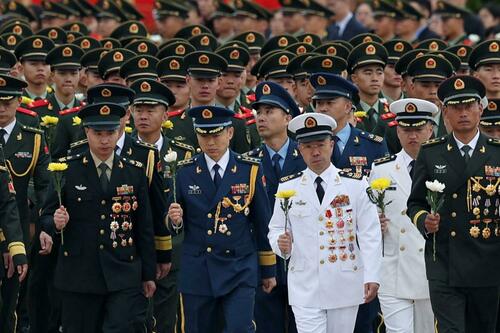 Illustrative file image: Reuters
Reuters
Illustrative file image: Reuters
Reuters
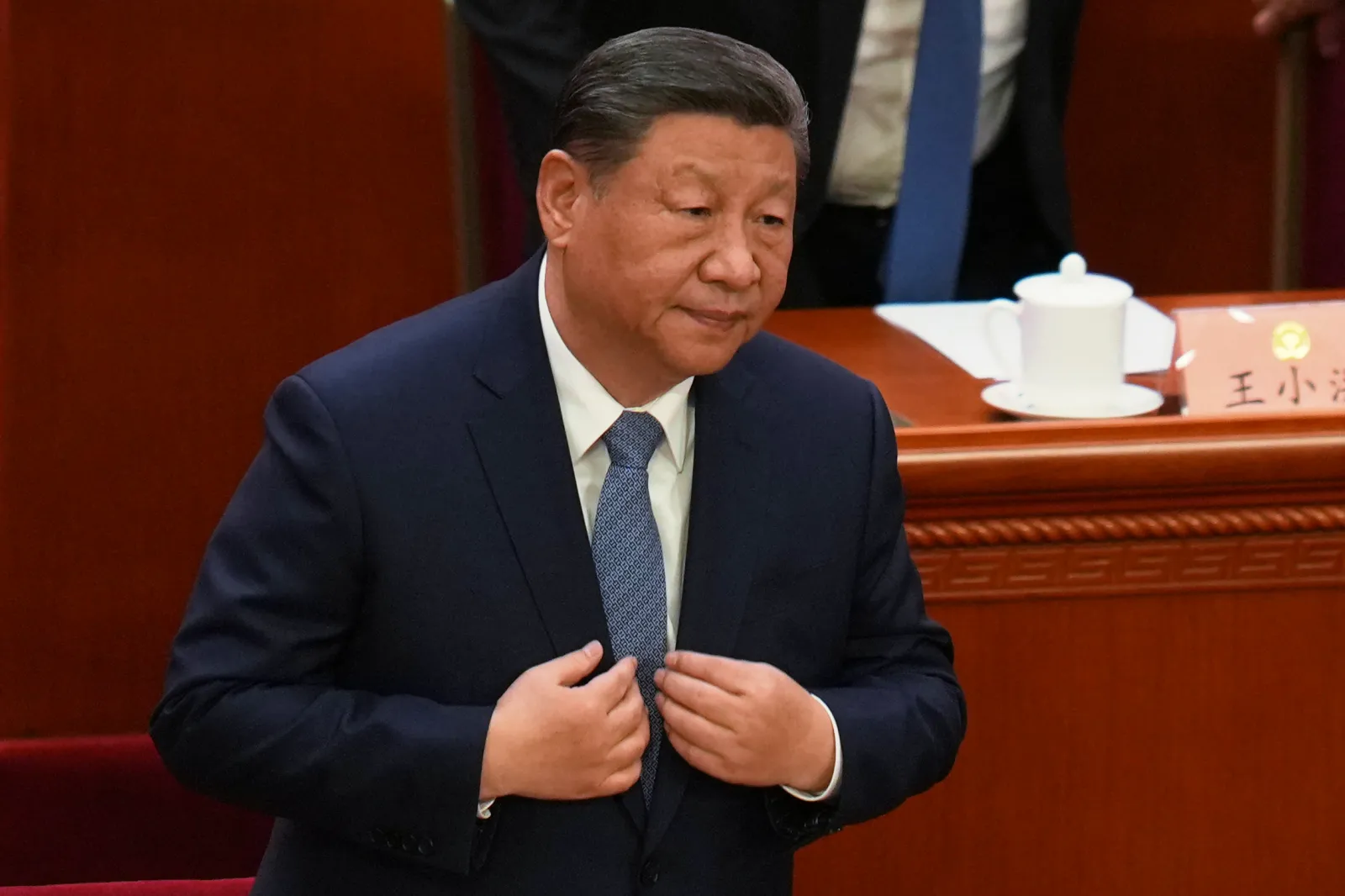
Nine senior People’s Liberation Army officers have been removed from China’s National People’s Congress days before the annual “Two Sessions” meetings in Beijing, according to Newsweek and state media summaries. The list includes two admirals and multiple generals, cutting the NPC’s membership to 2,878 and extending a purge that has already hollowed out senior ranks since mid-2023.
The timing matters because the NPC is not where China’s military decisions are made; it is where the Party signals that a decision has already been made. Removing officers from the legislature is the administrative end of a process that usually begins with silence—names disappearing from public events, posts left unfilled, biographies edited—and ends with a procedural vote. As Lyle Morris of the Center for China Analysis noted on X, several of the officers had been missing for a year or longer; the NPC move is the first formal confirmation that their careers are over.
Official language stays generic: “serious discipline and law violations.” But the institutional effect is specific. In a system where careers depend on loyalty and political safety, repeated purges teach commanders that the most dangerous thing is not failure in the field but being associated with the wrong patron, procurement chain, or briefing. That pushes information upward in a distorted form: bad news becomes delay, ambiguity, or optimistic reporting. When the cost of candid assessment is personal ruin, the rational strategy is to show progress, not problems.
The case of Zhang Youxia illustrates the caution at the very top. Newsweek reports that Zhang—long treated as the PLA’s de facto number two—was placed under investigation last month, yet his name was absent from the NPC removal list. Analysts quoted by Newsweek suggest that moving against someone of that seniority requires more careful handling, precisely because it risks destabilising the coalition that keeps the military compliant. Zero Hedge, citing Bloomberg and Xinhua reporting, frames the latest removals as part of a broader sweep that has already hit former defence ministers and senior Rocket Force leadership.
For China’s external posture, the immediate question is not whether purges reduce “corruption” but what they do to operational behaviour. When promotion depends on political alignment and visible “success,” officers are rewarded for aggressive demonstrations that can be packaged as achievements—intercepts, patrols, grey-zone pressure—while quietly avoiding actions that might generate messy, verifiable failures. That is a recipe for more risk-taking at the edges and less honest internal debate about what can go wrong.
The Two Sessions begin on March 4 and March 5. China will arrive with fewer generals in the room and more empty chairs in the chain of command.