
Mexico president visits Sinaloa amid cartel faction war
El País reports security offensive and political staging as murders and disappearances keep climbing, 2400 killed and 3800 missing since September 2024
Images
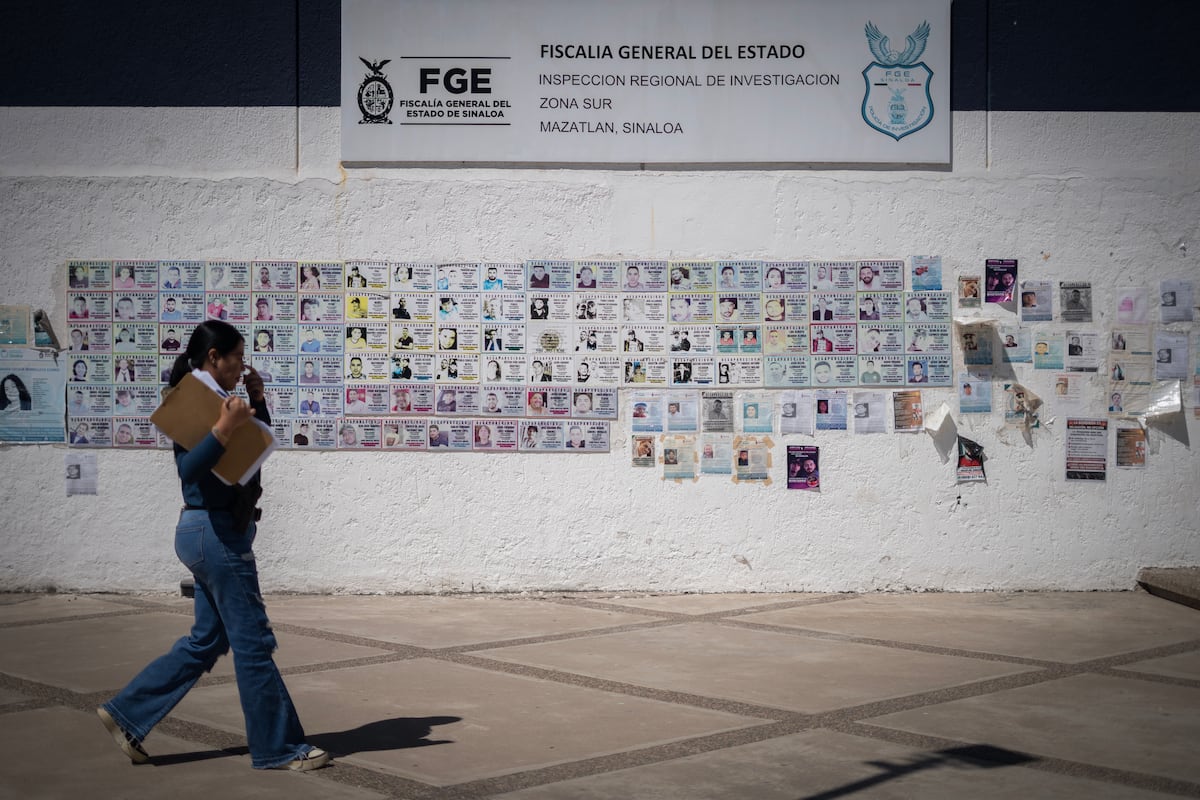 Mexico’s president visits Sinaloa following spike in factional cartel fighting
english.elpais.com
Mexico’s president visits Sinaloa following spike in factional cartel fighting
english.elpais.com
Mexico’s president is travelling to Sinaloa as cartel infighting continues to grind through the state’s economy and security, even as the United States escalates its familiar playbook of targeting individual traffickers. El País reports that President Claudia Sheinbaum will hold a Security Cabinet meeting at a military zone in Mazatlán, stage her daily press conference there, and then travel to Culiacán for a hospital groundbreaking, amid an 18-month conflict between rival Sinaloa Cartel factions.
The local numbers are bleak. El País cites figures from the Sinaloa state attorney general’s office showing at least 2,400 murders and nearly 3,800 disappearances since September 2024, making last year the state’s most violent in a decade. The war between Los Chapitos—heirs of Joaquín “El Chapo” Guzmán—and La Mayiza—aligned with Ismael “El Mayo” Zambada—has produced mass graves, attacks on local officials, and the disappearance of 10 workers from the Canadian mining company Vizsla Silver, according to the paper.
Mexico City says it has launched an “unprecedented offensive” against both factions, pointing to large seizures of drugs and weapons and arrests of commanders, cell leaders and hitmen. Security chief Omar García Harfuch has argued that the factions’ power is waning. Yet the violence remains concentrated and adaptive, with road blockades and drone attacks on military camps reported in the southern municipalities of Escuinapa, Mazatlán and Concordia.
This is the recurring contradiction in cartel policy: removing individuals is measurable and headline-friendly, while the underlying market—routes, protection rackets, and access to weapons—remains. Leadership arrests can accelerate internal competition as lieutenants fight for territory and revenue, and they can shift violence geographically rather than reduce it. Politically, the optics are useful: a presidential visit signals control, and a tally of arrests signals activity, even when the daily risk for residents does not move.
Sinaloa’s economy is absorbing the cost. El País describes families relocating to other states and tourism and local projects shutting down under insecurity. In that environment, the state’s promise of protection becomes another variable in household decision-making—whether to keep a business open, whether to travel, whether to stay.
Sheinbaum’s trip will include a security briefing, a press conference, and a rally. The murder and disappearance totals will still be the easiest numbers to verify.