
Chicago ICE protest cases collapse in federal court
WBEZ finds prosecutions failing while defendants absorb jail time and reputational damage, 150 days in custody end without convictions
Images
 Agents with U.S. Immigration and Customs Enforcement and U.S. Customs and Border Protection man the gate at the Broadview processing facility on Sept. 27, 2025, the day Ray Collins and Jocelyne Robledo were arrested.
Candace Dane Chambers/Sun-Times
Agents with U.S. Immigration and Customs Enforcement and U.S. Customs and Border Protection man the gate at the Broadview processing facility on Sept. 27, 2025, the day Ray Collins and Jocelyne Robledo were arrested.
Candace Dane Chambers/Sun-Times
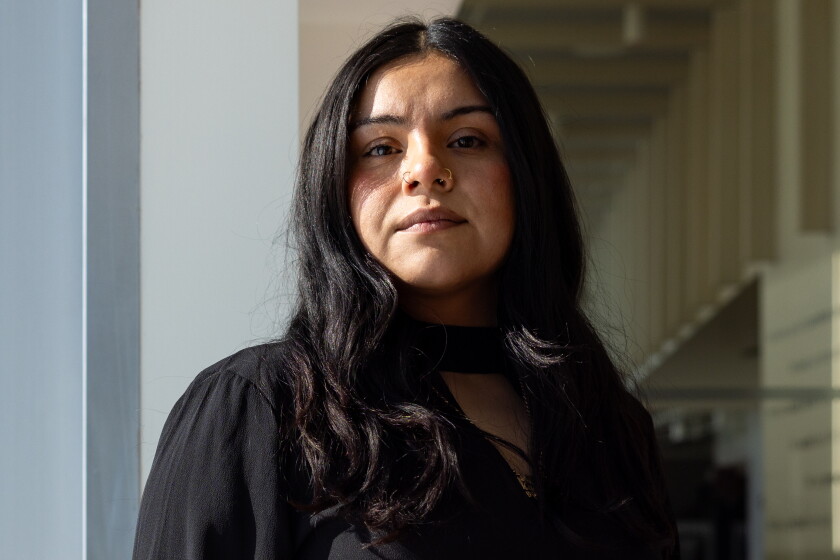 Marimar Martinez stands in the Chicago Public Media lobby at Navy Pier, Sunday, Feb. 01, 2026. Martinez survived five gunshots from a Border Patrol agent in Chicago last fall. | Candace Dane Chambers/Sun-Times.
Candace Dane Chambers/Sun-Times
Marimar Martinez stands in the Chicago Public Media lobby at Navy Pier, Sunday, Feb. 01, 2026. Martinez survived five gunshots from a Border Patrol agent in Chicago last fall. | Candace Dane Chambers/Sun-Times.
Candace Dane Chambers/Sun-Times
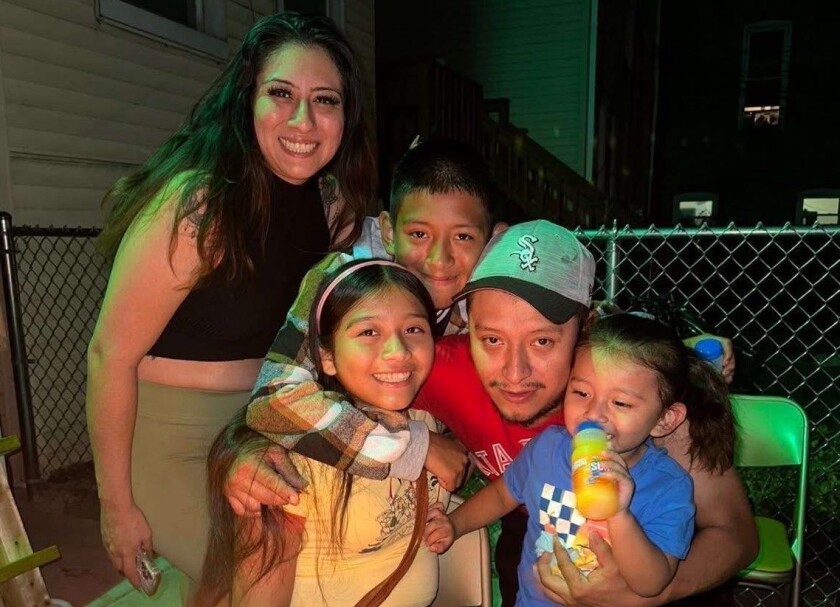 Juan Espinoza Martinez of Chicago with members of his family.
Provided
Juan Espinoza Martinez of Chicago with members of his family.
Provided
 Laurie Levenson, professor at Loyola Law School in Los Angeles
Loyola Law School
Laurie Levenson, professor at Loyola Law School in Los Angeles
Loyola Law School
Federal prosecutions tied to immigration enforcement in Chicago are collapsing in court, but the defendants are still paying for the process. According to WBEZ, 17 of 32 known defendants charged in connection with “Operation Midway Blitz” have seen their cases fall apart since October, after spending a combined 150 days in federal custody.
The pattern is not a simple win for protesters and a loss for the government. Charges that never reach trial still impose months of uncertainty, travel restrictions, and reputational damage that a dismissal does not rewind. WBEZ describes how photos and allegations circulate online long after a grand jury refuses to indict or prosecutors drop a case, leaving people to explain “felony arrest” records to employers and landlords. Even when defendants qualify for federal public defenders, the time cost remains: court dates, missed work, and the practical need to reorganize life around a case that may end with no conviction.
The numbers underline how unusual the run has been. Federal prosecutors typically tout conviction rates near 90%, but WBEZ reports that Chicago’s U.S. attorney’s office is looking at a best-case conviction rate of about 47% in these protest-adjacent cases—assuming it wins every remaining case. The article quotes U.S. Attorney Andrew Boutros acknowledging that many charges stemmed from “reactive arrests” and that some cases were better suited for state court. That admission points to a system where the initial arrest decision can be made quickly in the field, while the evidentiary burden is tested slowly, later, and at high personal cost to the accused.
The deterrent effect does not depend on convictions. A short jail stay, a bond condition, or the inability to travel can be enough to thin out participation in future demonstrations, especially for people with jobs, children, or immigration vulnerabilities. WBEZ notes that Juan Espinoza Martinez remains in immigration custody even after being acquitted in a case alleging he plotted to target a Border Patrol official, illustrating how parallel enforcement tracks can keep pressure on an individual after the criminal case ends.
Chicago’s courts are rejecting a significant share of these prosecutions. The government is still getting what it wants from the friction.
The 17 dropped or failed cases add up to 150 days in federal detention that no verdict ever justified.