
Pakistan declares open war with Afghanistan
Airstrikes hit Kabul Kandahar and Paktia after border attack claims, Rival casualty numbers replace verification
Images
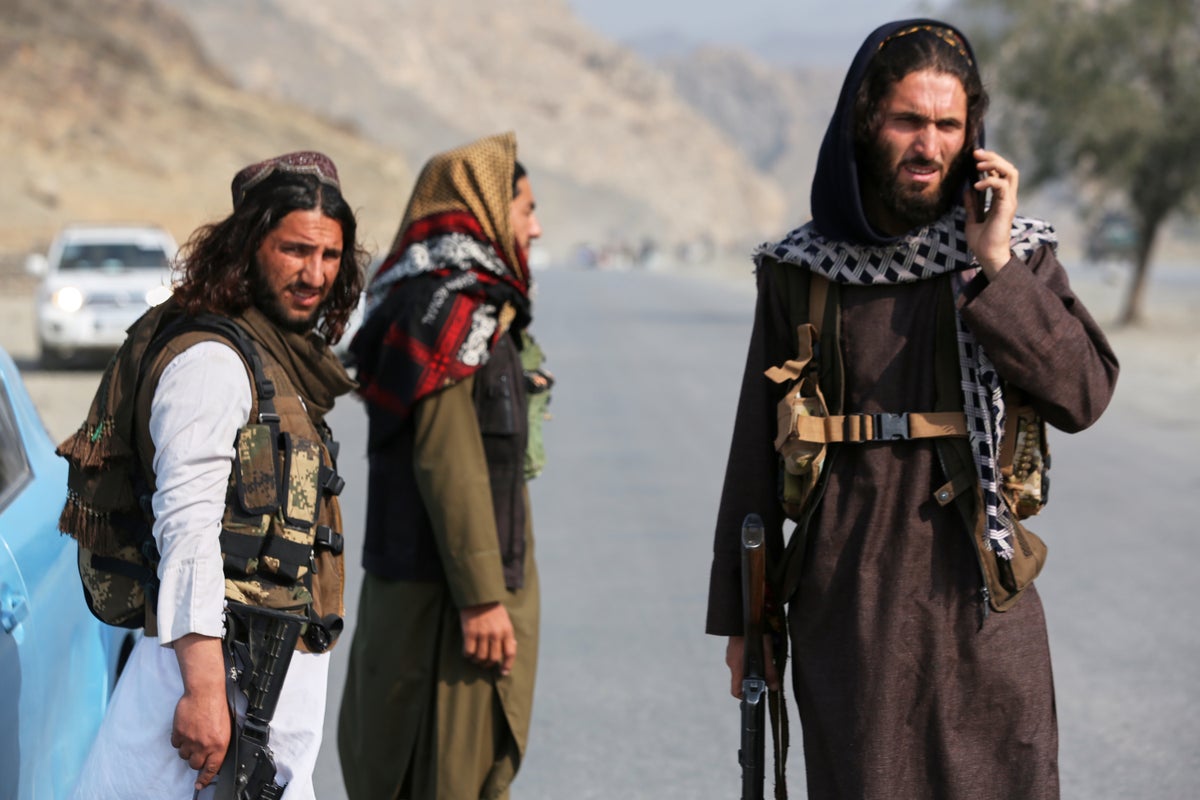 Pakistan’s defense minister says that there is now 'open war' with Afghanistan after latest strikes
independent.co.uk
Pakistan’s defense minister says that there is now 'open war' with Afghanistan after latest strikes
independent.co.uk
Pakistan’s defence minister said Islamabad now considers itself in “open war” with Afghanistan after Pakistani airstrikes hit Kabul, Kandahar and Paktia and Afghan forces struck back along the border. According to The Independent, Khawaja Mohammad Asif said Pakistan had “run out of patience” after what it described as an Afghan cross-border attack, while the Taliban government’s spokesperson confirmed the locations of the Pakistani strikes.
The exchange shows how quickly a relationship built on leverage and proxies can turn into direct state-to-state coercion once the proxy becomes the government. Pakistan backed Taliban factions for years to shape Afghanistan’s internal balance and to keep rival powers at arm’s length; after NATO’s withdrawal, Islamabad expected the Taliban to prioritise domestic stability. Instead, Pakistani officials now accuse Kabul of hosting and “exporting terrorism”, and of aligning with India — a claim New Delhi denies, but one that hardens the domestic political case for escalation.
The immediate problem for both sides is that neither has a clean way to de-escalate without paying a price. Pakistan’s leadership is publicly tying restraint to weakness: Asif’s language frames further attacks as inevitable unless met with force. The Taliban, for its part, has an incentive to show it cannot be bombed into compliance by a neighbour it has long portrayed as manipulative and hostile. That dynamic pushes both parties toward retaliatory cycles even when the underlying dispute — sanctuary, cross-border raids, and control of frontier posts — is negotiable.
The casualty claims underline the information-war logic that accompanies border fighting. Afghanistan’s Defence Ministry said 55 Pakistani soldiers were killed and that some bodies were taken into Afghanistan, adding that “several others were captured alive”; Pakistan’s side denies any captures and claims it killed at least 133 Afghan fighters and destroyed dozens of posts. None of the figures could be independently verified, but the competing numbers serve a purpose: to justify the next step.
The spillover is already being managed as a domestic security and migration issue. Pakistani authorities moved Afghan refugees away from the Torkham border area as clashes erupted, in a country that has been running a sweeping crackdown on undocumented migrants since October 2023. When border control, counterinsurgency and deportation policy are fused into one theatre, each military exchange becomes another argument for tightening the internal screws.
Asif posted his “open war” declaration on X just hours after strikes were reported in Kabul, Kandahar and Paktia, and before either side offered a verifiable account of what actually happened along the frontier that night.