
Columbia student freed hours after ICE arrest
University alleges DHS officers misrepresented purpose to enter campus housing, Rapid release follows White House intervention while warrant rules are tested
Images
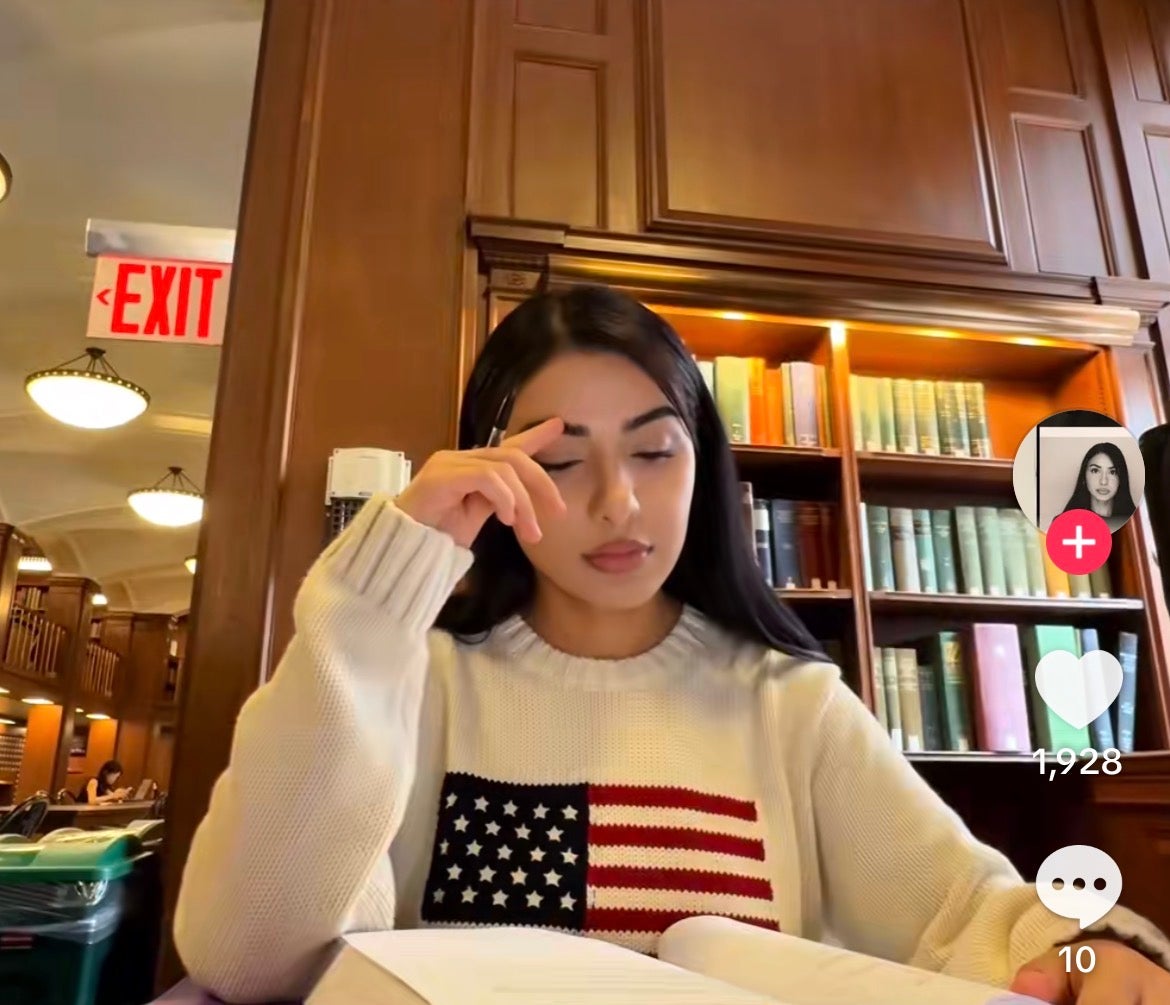 Columbia University student Ellie Aghayeva was released from federal immigration custody hours after her arrest February 26 from inside her campus residence (Ellie Aghayeva/TikTok)
Ellie Aghayeva/TikTok
Columbia University student Ellie Aghayeva was released from federal immigration custody hours after her arrest February 26 from inside her campus residence (Ellie Aghayeva/TikTok)
Ellie Aghayeva/TikTok
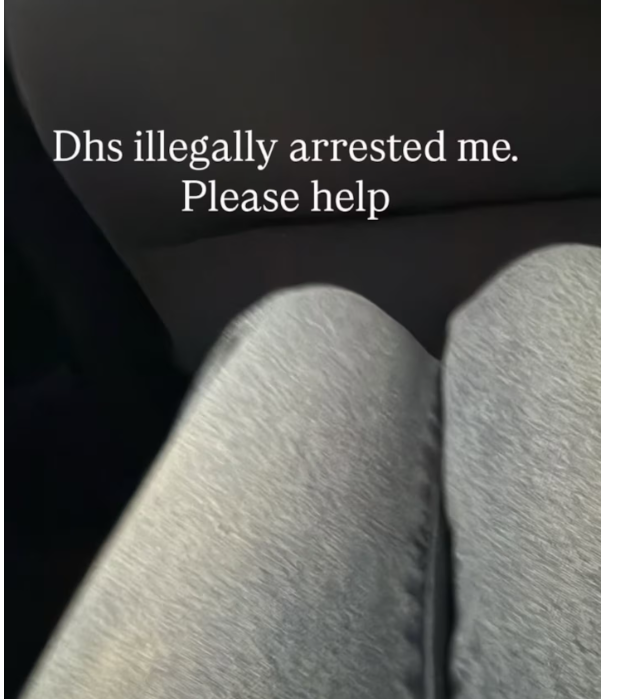 Aghayeva posted a picture after she was detained by ICE at her residence at Columbia University in New York City (Ellie Aghayeva/Instagram)
Ellie Aghayeva/Instagram
Aghayeva posted a picture after she was detained by ICE at her residence at Columbia University in New York City (Ellie Aghayeva/Instagram)
Ellie Aghayeva/Instagram
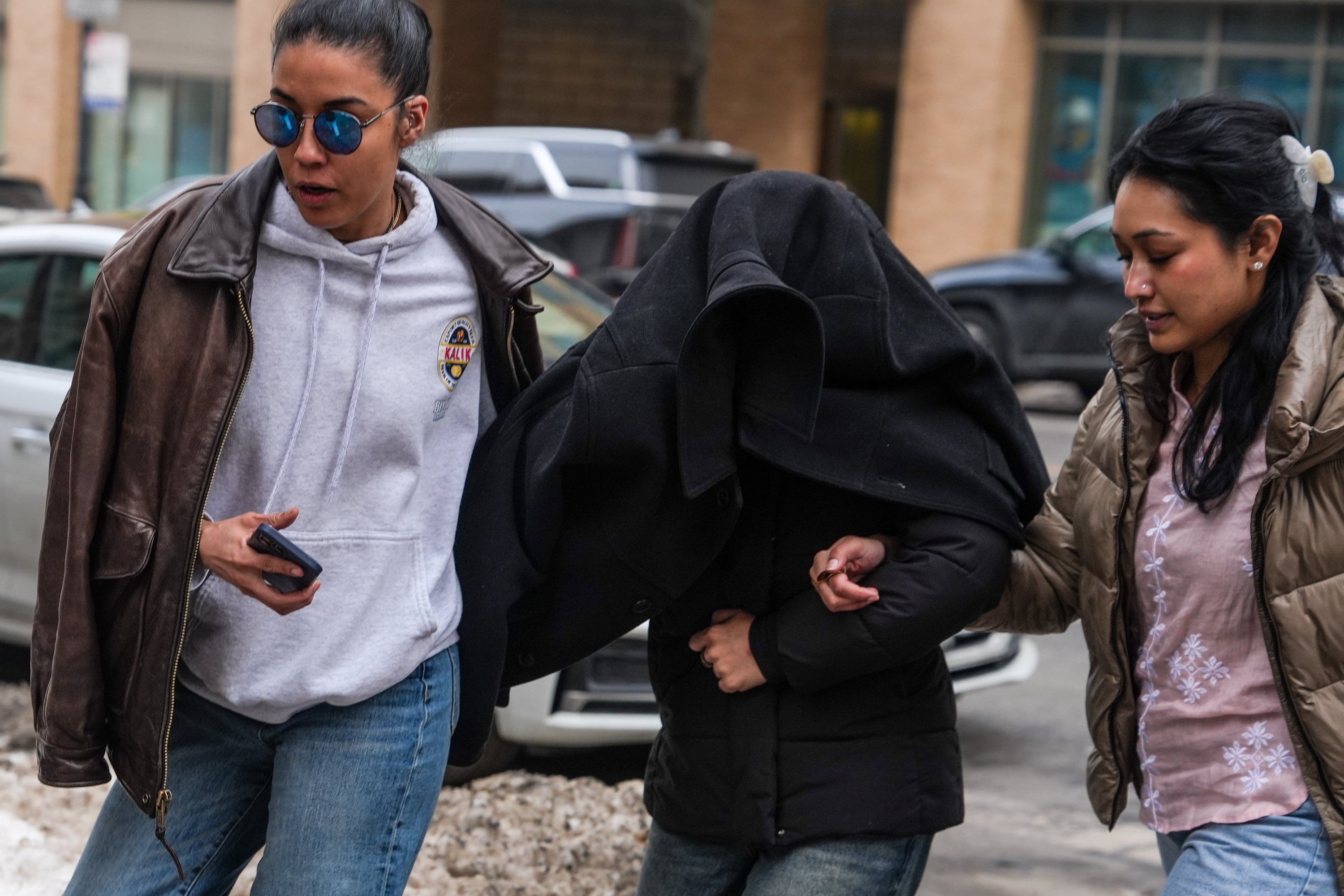 Aghayeva was escorted to her apartment with her face covered after her release (Getty Images)
Getty Images
Aghayeva was escorted to her apartment with her face covered after her release (Getty Images)
Getty Images
 Mamdani met with Trump in the Oval Office for a second time Febraury 26 (New York City Mayor's Office)
New York City Mayor's Office
Mamdani met with Trump in the Oval Office for a second time Febraury 26 (New York City Mayor's Office)
New York City Mayor's Office
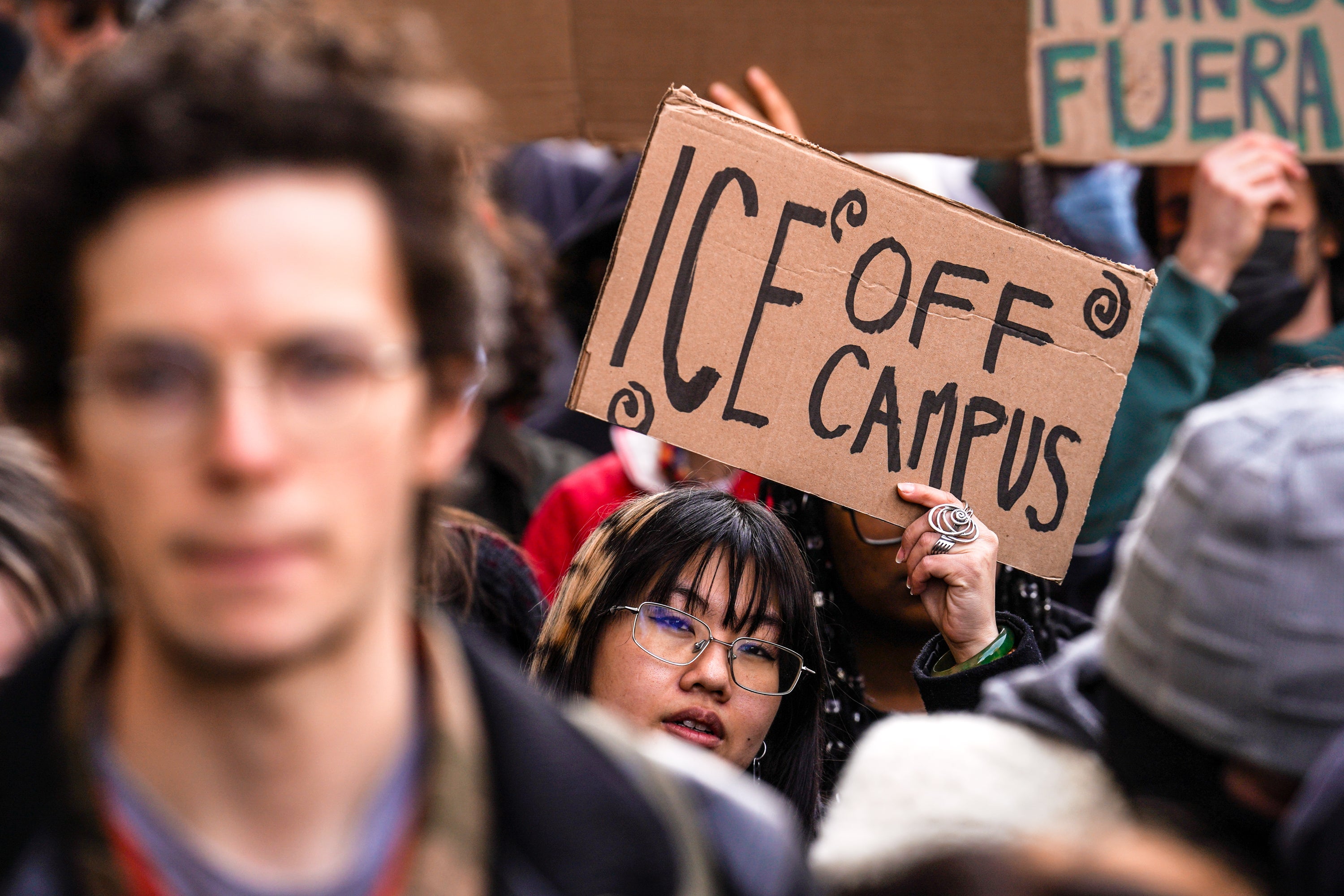 University officials say ICE officers may have tried to gain entry by claiming they were seeking a ‘missing person’ (Getty Images)
Getty Images
University officials say ICE officers may have tried to gain entry by claiming they were seeking a ‘missing person’ (Getty Images)
Getty Images
A Columbia University student arrested by US immigration officers inside her campus residence was released from federal custody within hours after New York City Mayor Zohran Mamdani raised the case with President Donald Trump at the White House, according to The Independent. The student, neuroscience major Ellie Aghayeva, posted during the arrest that she had been taken by DHS and asked for help. Columbia’s acting president, Claire Shipman, said officers may have “made misrepresentations” to gain entry to the building.
Shipman said agents may have claimed they were looking for a “missing person” to enter the residential building, a detail that matters because universities typically condition access to nonpublic spaces on judicial warrants rather than agency-issued paperwork. Columbia’s guidance, reiterated after the arrest, is that law enforcement must present a judicial warrant or subpoena to enter nonpublic areas such as dorms and classrooms. Administrative warrants issued internally by federal agencies are not treated as sufficient.
The Independent reports that DHS said Aghayeva’s student visa had been terminated in 2016. If that is the legal basis, the operational question becomes why a years-old status issue is being executed through a pre-dawn entry into university housing rather than through routine notice and surrender procedures. Universities and landlords are being pulled into the enforcement chain: building managers, roommates, and campus staff become the de facto gatekeepers whose consent—obtained under pressure or through ambiguous representations—can substitute for a court order.
The episode follows earlier enforcement actions on Columbia property, including the arrest last March of graduate student Mahmoud Khalil in the lobby of a university-owned building, which helped trigger protests demanding stronger protections for international students. The practical effect is to shift immigration enforcement from ports of entry and courthouse check-ins into everyday spaces where targets have fewer legal buffers and institutions have more reputational risk.
Mamdani told The Independent that Trump said during a phone call the student would be released “imminently,” and she was freed later that afternoon. The arrest still accomplished its immediate objective: officers entered a campus residence, detained a student, and forced the university to issue new instructions about how to respond next time.
Aghayeva was arrested at 6:30 a.m. and released the same day. Columbia’s leadership is now advising staff and students not to let federal agents into nonpublic areas without a judge’s warrant.