
xAI powers Mississippi data center with trailer turbines
Residents report nonstop jet-engine noise as Musk seeks permits for 41 permanent units, Private power arrives before public review
Images
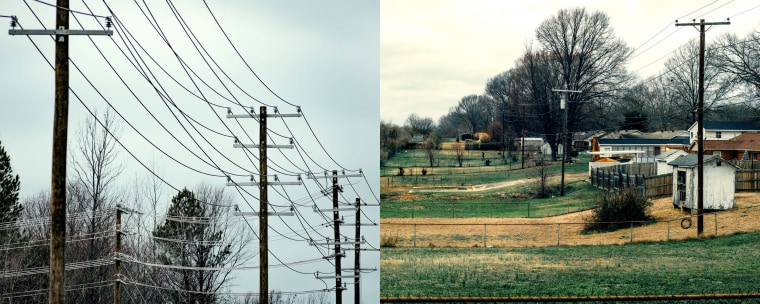
 Eddie Gossett lives on the same road as xAI’s facility. He says the roar of xAI’s turbines keeps him up at night.Houston Cofield for NBC News
nbcnews.com
Eddie Gossett lives on the same road as xAI’s facility. He says the roar of xAI’s turbines keeps him up at night.Houston Cofield for NBC News
nbcnews.com
 Like other tech companies, xAI has sought to build its own power plant to meet the technology's electricity demands.Houston Cofield for NBC News
nbcnews.com
Like other tech companies, xAI has sought to build its own power plant to meet the technology's electricity demands.Houston Cofield for NBC News
nbcnews.com
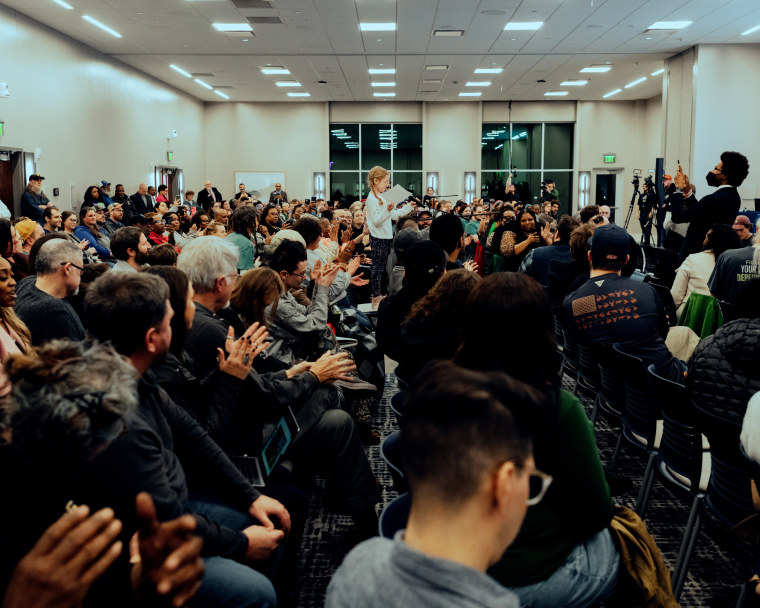 Hundreds gathered at a public hearing in Southaven, Miss., to express concerns about air and noise pollution coming from xAI’s turbines. None in the audience spoke in favor of granting xAI a permit for permanent turbines.Houston Cofield for NBC News
nbcnews.com
Hundreds gathered at a public hearing in Southaven, Miss., to express concerns about air and noise pollution coming from xAI’s turbines. None in the audience spoke in favor of granting xAI a permit for permanent turbines.Houston Cofield for NBC News
nbcnews.com
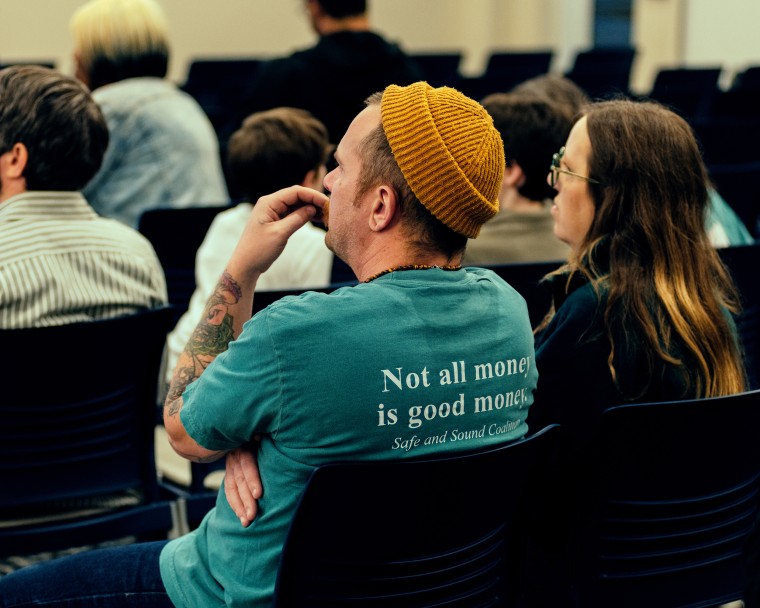 Nathan Reed said he's not opposed to growth in Southaven, but he questioned the pace and intensity of xAI's expansion.Houston Cofield for NBC News
nbcnews.com
Nathan Reed said he's not opposed to growth in Southaven, but he questioned the pace and intensity of xAI's expansion.Houston Cofield for NBC News
nbcnews.com
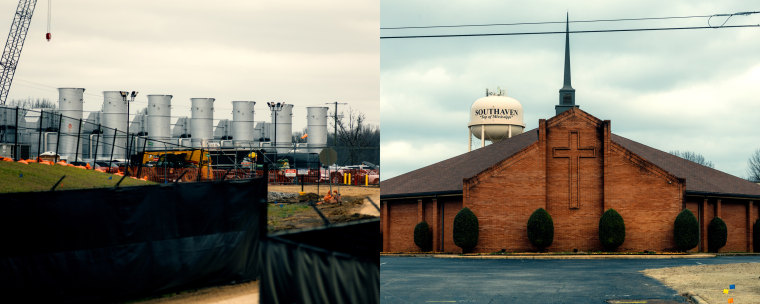 Southaven’s mayor has welcomed xAI as a new corporate neighbor, saying it will bring new jobs and millions in revenue to the city.Houston Cofield for NBC News
nbcnews.com
Southaven’s mayor has welcomed xAI as a new corporate neighbor, saying it will bring new jobs and millions in revenue to the city.Houston Cofield for NBC News
nbcnews.com
Twenty-seven methane gas turbines now run around the clock on trailers outside Southaven, Mississippi, after Elon Musk’s xAI bought a long-dormant power plant site and began using temporary generation to feed AI computing demand, NBC News reports. Residents describe a constant “jet engine” roar that began without warning last summer, alongside concerns about local air pollution. xAI has applied for permits to install 41 permanent turbines at the 114-acre site as part of a plan the company says will support a data-center buildout tied to more than $20 billion in spending in the area.
The project is a blunt answer to a constraint that has become routine for data centers: grid connections and permitting timelines that do not match the speed of AI buildouts. Instead of waiting for transmission upgrades or utility capacity, a large customer can bring generation to the load—effectively building a private power system on top of public infrastructure. That shifts the bottleneck from engineering to governance: noise limits, air permits, fuel supply, and the question of who bears the local costs when “temporary” equipment runs day and night.
NBC notes the Southaven dispute resembles earlier fights in Northern Virginia’s “Data Center Alley”, where residents have complained about continuous hums and sought to sell homes. The difference here is the visibility of the power source. A data center typically arrives as a quiet warehouse; in Southaven, the electricity shows up first, on trailers. At a packed regulatory hearing on February 17, residents argued that the project’s benefits—jobs and tax revenue—were being offered in exchange for quality-of-life losses that are immediate and hard to reverse.
The politics are also shifting. NBC reports President Donald Trump used his State of the Union address to call on tech companies to build power plants to meet data-center demand, framing private generation as a way to reduce public opposition and limit upward pressure on utility bills. But the Southaven case illustrates the trade: local communities may experience the emissions and noise of generation even if the economic upside is concentrated in a small number of high-capital facilities.
xAI’s permit request for 41 permanent turbines could be approved as soon as next month. The turbines that residents say arrived “without warning” are already running.