
A 17-year-old cat is surrendered after owner enters hospice
Iowa shelter finds adopter within a day of Facebook post, Private rescues handle what institutions ignore
Images
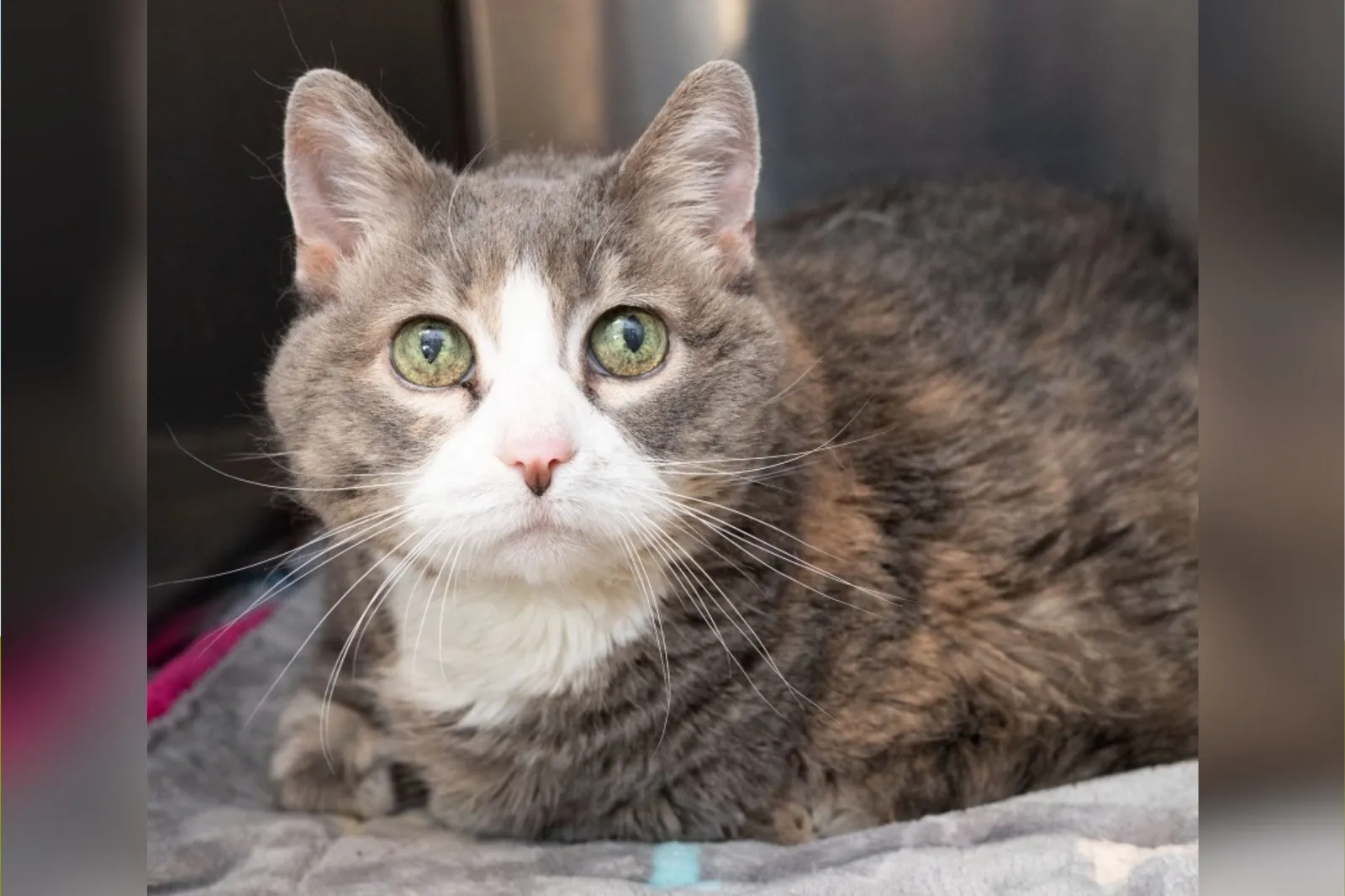 17-year-old cat at shelter
newsweek.com
17-year-old cat at shelter
newsweek.com
 Mom of 23-Year-Old Killed by ICE Agent Voted for Donald Trump
newsweek.com
Mom of 23-Year-Old Killed by ICE Agent Voted for Donald Trump
newsweek.com
 Cuban Coast Guard Shooting: Who Was Onboard US-Registered Boat
newsweek.com
Cuban Coast Guard Shooting: Who Was Onboard US-Registered Boat
newsweek.com
 Donald Trump Says Ilhan Omar Should ‘Get On A Boat’ After SOTU Clash
newsweek.com
Donald Trump Says Ilhan Omar Should ‘Get On A Boat’ After SOTU Clash
newsweek.com
 Jeff Galloway Cause of Death: What We Know After Olympic Runner Dies at 80
newsweek.com
Jeff Galloway Cause of Death: What We Know After Olympic Runner Dies at 80
newsweek.com
A 17-year-old cat named Lucy spent her entire life in one home before landing in a shelter when her owner entered hospice care, according to Newsweek. She arrived at the Boone Area Humane Society (BAHS) in Iowa on January 31, surrendered by the owner’s family after the move to hospice. The shelter says Lucy was initially uncertain and scared, then quickly became social—loudly meowing for attention, which staff later connected to her being deaf.
The turnaround was fast. BAHS posted Lucy’s story on Facebook on February 16; by the next morning the shelter had received nine online adoption applications, and Lucy was adopted on February 17. She spent 19 days in the shelter. The post drew more than 196,000 views, the shelter said, turning a single surrendered pet into an attention funnel for a small local organisation.
The sentimental version of this story is that social media found an elderly cat a home. The harder version is that end-of-life disruption creates predictable “orphaned dependents” that do not fit neatly into the formal systems built for people. When an owner’s life collapses into medical care, the pet becomes a logistics problem: housing rules, relatives’ capacity, allergies, landlord restrictions, and time. The state can fund hospice beds and paperwork-heavy care pathways, but it does not rehome the cat.
That gap is where small private shelters operate, absorbing the administrative and emotional residue of family breakdown. BAHS assessed Lucy and reported no major health issues beyond weight and hearing loss—details that matter because senior animals tend to be harder to place. Newsweek cites Shelter Animals Count’s 2025 year-end report: cats aged seven and up had a 61% adoption rate, compared with 69% for adult cats and 71% for kittens aged two to five months.
The comments under Lucy’s post, Newsweek reports, quickly drifted to policy wishes—such as assisted-living facilities allowing resident cats. The shelter’s reality is more immediate: a kennel, a vet check, a social media post, and a stack of applications.
Lucy’s owner entered hospice; the cat entered a shelter.
Within 24 hours of a Facebook post, nine strangers had filed paperwork to take over the responsibility.