
UN sanctions four RSF commanders in Sudan
Measures target el-Fasher atrocities after UN experts cite hallmarks of genocide, Individual blacklists leave war logistics and revenue systems intact
Images
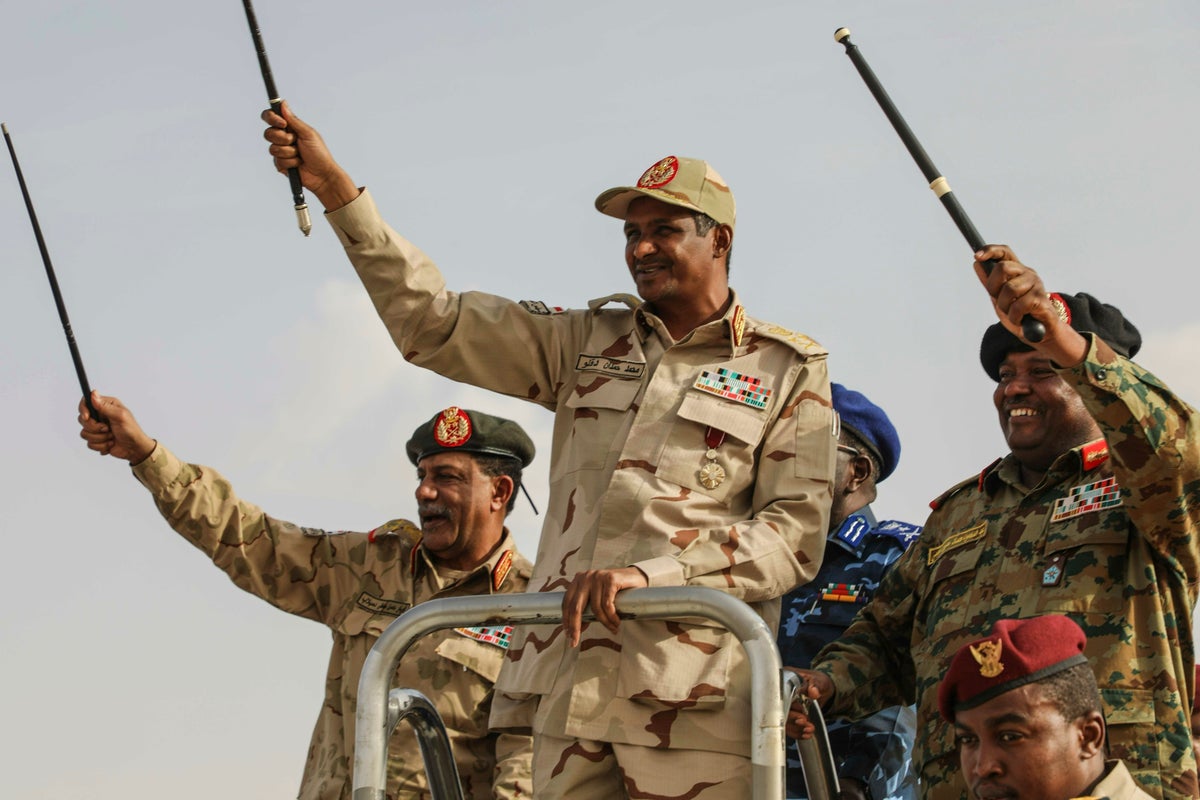 UN sanctions 4 commanders in Sudan's paramilitary force accused of atrocities in Darfur
independent.co.uk
UN sanctions 4 commanders in Sudan's paramilitary force accused of atrocities in Darfur
independent.co.uk
The UN Security Council has imposed travel bans and asset freezes on four commanders in Sudan’s Rapid Support Forces over atrocities in and around el-Fasher in North Darfur. According to The Independent, the list includes RSF leader Gen Mohamed Hamdan Dagalo (Hemedti), his deputy and brother Abdul Rahim Hamdan Dagalo, deputy commander Lt Gen Gedo Hamdan Ahmed, and Brig Gen Al-Fateh Abdullah Idris, described by UN sanctions monitors as “the Butcher of el-Fasher”. The designations follow a UN-backed experts’ report saying the RSF’s conduct showed “hallmarks of genocide” after an 18-month siege and the group’s takeover of the city.
The details in the sanctions committee write-up read like a catalogue of crimes that are easy to document and hard to stop. The committee cites footage believed to show Abdul Rahim Dagalo at a base in el-Fasher on the day of the takeover, issuing orders “to not take captives but to kill everyone”, and videos shot by RSF fighters themselves showing executions, bodies posed for the camera, and ethnically targeted killings. UN officials cited by The Independent say several thousand civilians were killed during the fall of el-Fasher and that only about 40% of the city’s roughly 260,000 residents managed to flee, leaving the fate of the remainder unknown.
What the measures do not touch is the machinery that keeps the RSF in the field: access to money, fuel, vehicles, and cross-border logistics. Travel bans matter most to commanders who need international mobility; asset freezes matter most where assets sit in jurisdictions willing and able to enforce them. In Sudan’s war economy, armed groups’ balance sheets are often held in commodities, cash networks, and control of routes rather than in bank accounts that can be neatly frozen. The same week the UN blacklisted four individuals, the fighting itself remains unchanged: armed units still tax movement, seize supplies, and use violence to discipline communities and extract revenue.
The sanctions also illustrate the Security Council’s standard compromise: punish identifiable perpetrators without triggering obligations that would follow from treating the RSF as an organisation subject to broader restrictions. A former US diplomat quoted by The Independent urged the UN to sanction the entire group as “terrorists”, but the Council opted for names, not networks. That approach can satisfy demands for action while leaving room for member states to continue dealing with intermediaries, contractors, and local authorities in RSF-held areas under the banner of humanitarian access.
The measures are specific and bureaucratic: four commanders, a travel ban, an asset freeze, and a record of videos and witness accounts tied to Oct. 26 in el-Fasher. The RSF still controls territory, and the only thing that changed this week is who is on a list.