
NGOs seek to remove ex-Meta lobbyist Aura Salla from EU Digital Omnibus role
Parliament reopens GDPR and e-privacy rules, revolving-door fight shifts to who holds the pen
Images
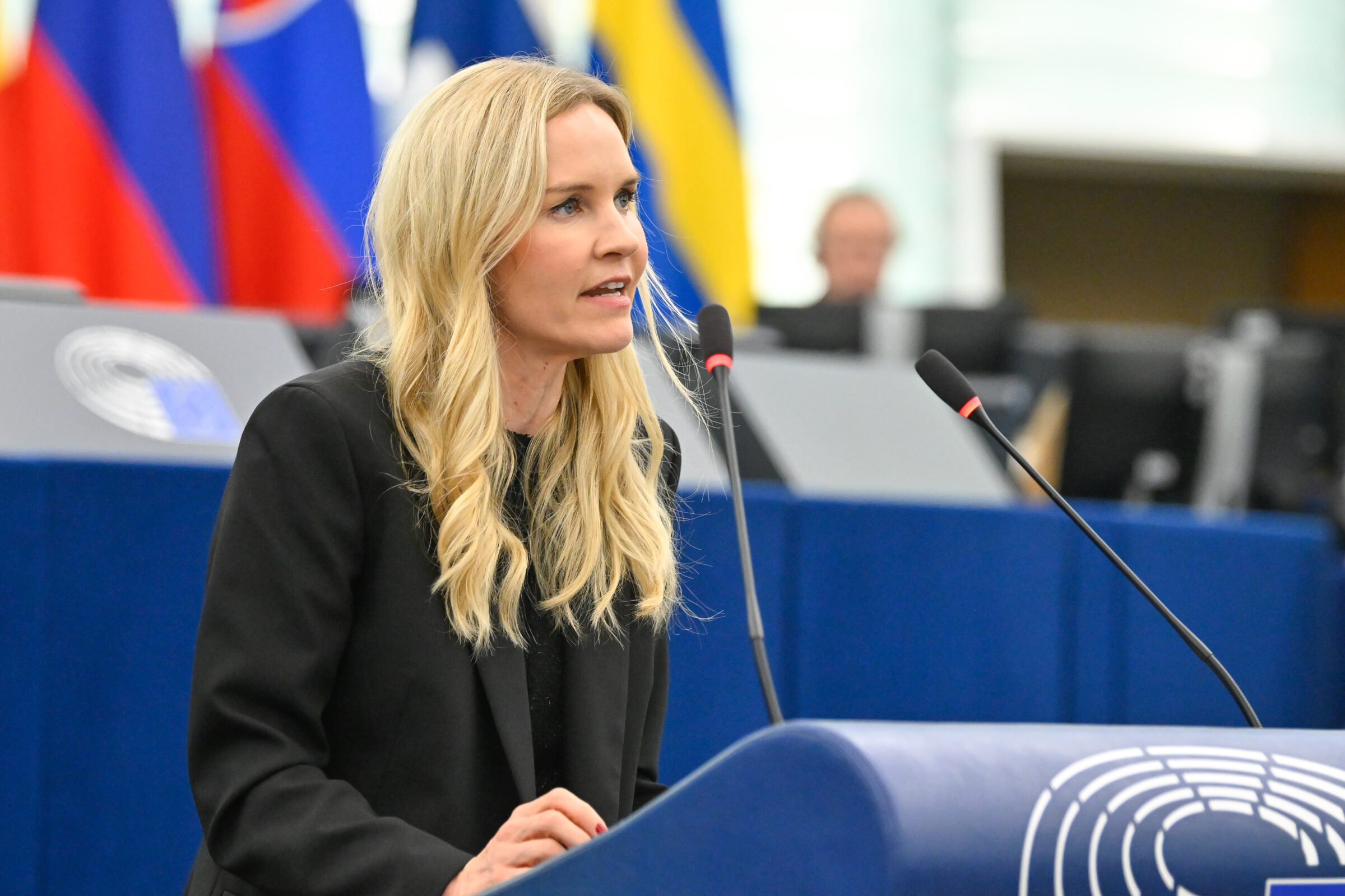 Finnish centre-right MEP Aura Salla was appointed legislative lead on 11 February
euobserver.com
Finnish centre-right MEP Aura Salla was appointed legislative lead on 11 February
euobserver.com
Aura Salla, a Finnish MEP elected in 2024 with the European People’s Party, has been appointed a lead negotiator in the European Parliament on the Commission’s proposed “Digital Omnibus” package. Within days, a group of transparency and lobbying watchdogs urged Parliament to remove her from the file, citing her recent job as Meta’s EU public policy director from 2020 to 2023, according to EUobserver.
The dispute is a small personnel story with oversized stakes. The Digital Omnibus is framed as “simplification”, but it is designed to reopen multiple pillars of EU digital governance at once, including GDPR and the e‑privacy directive. That makes the rapporteur and lead negotiators unusually valuable: they control the timetable, shape compromise amendments, and decide which “technical” changes are bundled together. NGOs argue that putting a former Big Tech lobbyist in that role gives Meta privileged access to a rewrite that could materially change how platforms are regulated. Salla says she has complied with disclosure rules and has no financial stake or ongoing professional activity that would constitute a conflict.
What is being fought over is not only one politician’s résumé, but the Brussels labour market that digital regulation has created. The EU’s post‑2020 wave of platform rules—DSA, DMA, AI Act and the surrounding guidance—turned compliance into a permanent industry. That industry needs people who can translate between law, enforcement practice, and product design, and those people tend to circulate between Parliament, the Commission, national regulators, NGOs and the platforms themselves. The same CV that makes a negotiator effective—knowing how Meta or Google actually implement a rule, and where enforcement bottlenecks sit—also makes them suspect to groups that want the rules tightened rather than reopened.
The watchdog letter asks for Salla’s removal via Parliament’s internal ethics process: an advisory body would assess a possible breach and then deliver findings to Parliament president Roberta Metsola, who could initiate a procedure to reassign the file. It is a high bar, and the code of conduct largely relies on disclosure and self‑assessment. Salla has formally declared she is not aware of conflicts of interest.
The Digital Omnibus is still at the stage where “streamlining” and “deregulation” are largely a matter of wording and committee control. But the argument over who gets the pen shows how quickly EU digital rules have become a career track—and how hard it is to separate expertise from allegiance when the same institutions hire from the same small pool.
Salla left Meta in 2023 and entered the Parliament a year later. She is now positioned to help rewrite the very rulebook that made her previous job necessary.