
Louvre director resigns after $102m jewelry heist
Museum faces strikes and ticket fraud probes alongside security overhaul, Stolen royal jewels still missing
Images
 nbcnews.com
A daylight heist at the Louvre removed jewels valued at about $102 million; four months later, the museum’s director, Laurence des Cars, has resigned. According to NBC News, President Emmanuel Macron accepted her resignation as the institution faces a new round of security and modernization projects, with the stolen items still unrecovered.
The robbery itself was not a subtle failure. Investigators told NBC News that four thieves bypassed security systems and used power tools to break into the museum and take historic jewelry once worn by French queens and empresses. Suspects have been arrested, but the objects have not been found, leaving the museum with the worst possible combination: a public humiliation and no closure.
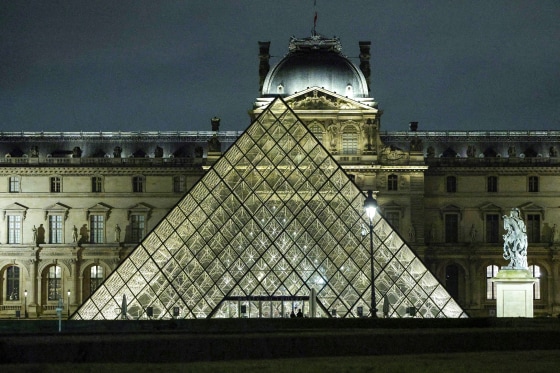
In a prestige institution, the director is rewarded for what can be counted—visitor numbers, blockbuster exhibitions, sponsorships, and visible renovation. Risk management is harder to market and easier to postpone, especially when budgets are negotiated in annual cycles and the benefits of prevention are invisible when it works. The Louvre’s recent months illustrate how operational fragility tends to surface in clusters: a pipe burst in December damaged up to 400 works in an Egyptian antiquities library, the museum’s deputy general administrator said at the time, and staff strikes over working conditions forced closures that left visitors stranded outside the glass pyramid.
Authorities have also disclosed a ticket fraud scheme that prosecutors say may have run for a decade. Tour guides are suspected of reusing the same tickets—up to 20 times a day—to bring in different groups, sometimes allegedly with the help of Louvre employees, NBC reports. That kind of leakage is not just lost revenue; it is a signal that access control is treated as a throughput problem, not a security boundary.
France’s museums have spent years marketing themselves as global brands in a competitive tourism economy. The Louvre, still rebuilding after the pandemic’s collapse in travel, sits at the center of that strategy. But the same pressure to keep doors open and queues moving can make “security” a line item that competes with staffing, visitor services, and renovation timelines—until a single incident forces a leadership change that looks decisive without guaranteeing structural repair.
Des Cars called the theft a “tragic, brutal, violent reality” and said it felt right to offer her resignation. Four months later, the jewels have not returned, and the world’s most visited museum is changing its top manager before it changes the locks that failed.