
Red blood cells act as glucose sink under hypoxia
Cell Metabolism study links altitude physiology to lower blood sugar, human causality still unproven
Images
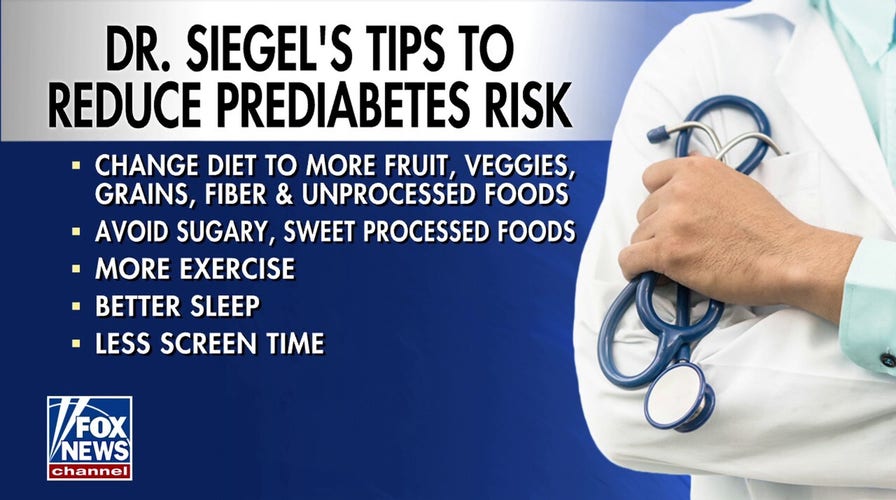 Dr. Siegel's tips for reducing risk of prediabetes
foxnews.com
Dr. Siegel's tips for reducing risk of prediabetes
foxnews.com
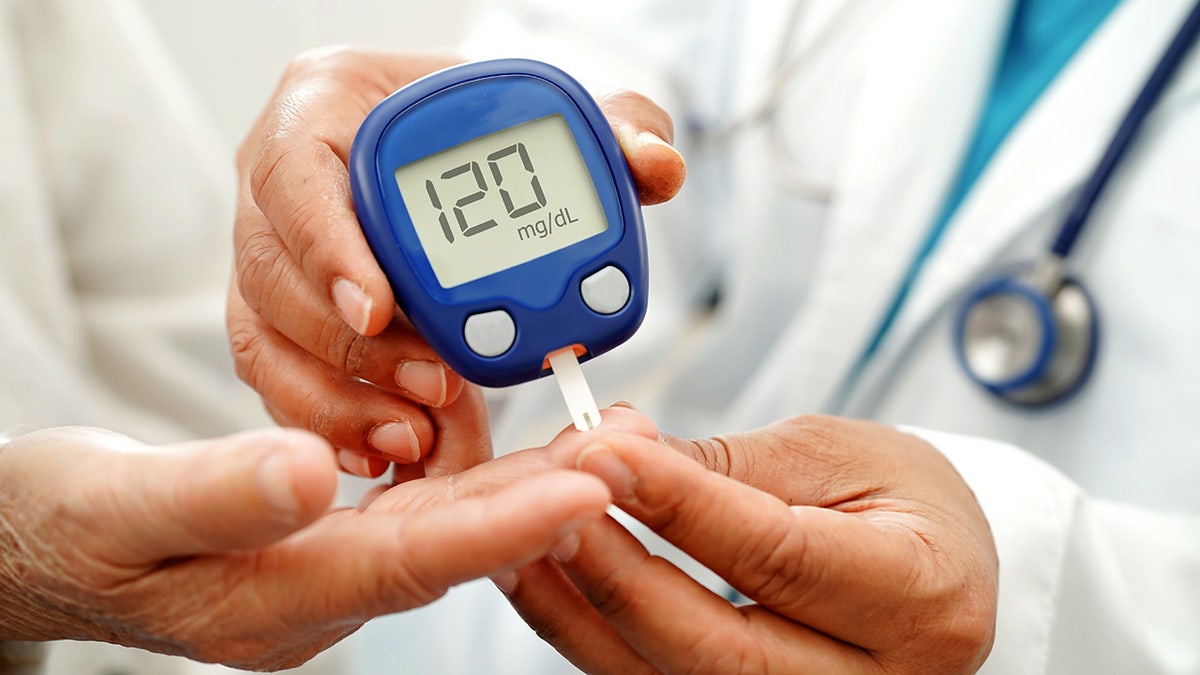 Doctor using digital glucose meter for check sample blood sugar level to treatment diabetes.
foxnews.com
Doctor using digital glucose meter for check sample blood sugar level to treatment diabetes.
foxnews.com
 Mature couple hiking in the mountains
foxnews.com
Mature couple hiking in the mountains
foxnews.com
 Type 2 diabetes, woman pricking her finger
foxnews.com
Type 2 diabetes, woman pricking her finger
foxnews.com
Researchers at the Gladstone Institutes and UC San Francisco report that red blood cells can rapidly absorb glucose under low-oxygen conditions, a shift they argue could help explain why diabetes rates appear lower at higher elevations. The work, published in Cell Metabolism and summarized by Fox News, also describes a mouse-tested compound, “HypoxyStat,” designed to mimic this hypoxia response.
The mechanistic claim is straightforward: when oxygen is scarce, the body produces more red blood cells, and each cell takes up more glucose—acting as a temporary “sink” that lowers circulating blood sugar. In the reported mouse experiments, animals exposed to hypoxia cleared glucose from the bloodstream unusually quickly after feeding, and the team traced the missing glucose not to muscle or liver but to the red blood cell compartment itself. If that pathway holds in humans, it would add a new lever to glucose regulation beyond the familiar insulin–liver–muscle triad.
What the paper does not settle is whether “living at altitude” is a causal, population-level diabetes intervention rather than a correlation shaped by who lives where. Observational comparisons between mountain and lowland populations are unusually exposed to selection: people who move to high altitude tend to be healthier, wealthier, and more physically active than those who do not, and longstanding high-altitude communities differ systematically in diet, labor patterns, healthcare access, and smoking and alcohol habits. Even when studies adjust for some covariates, the remaining differences are often the ones hardest to measure—daily activity, food environment, and local medical practice.
Altitude also pushes physiology in multiple directions at once. Higher hematocrit can improve oxygen delivery but can also raise blood viscosity, change blood pressure, and alter cardiovascular risk profiles; the net effect is not guaranteed to be metabolically “free.” Hypoxia-inducible factor (HIF) signalling, changes in mitochondrial metabolism, appetite regulation, and stress hormones can all shift glucose handling in ways that might help some people and harm others. The Fox News summary itself notes key constraints: the lab work used a single mouse strain, only young males, and a controlled hypoxia exposure—conditions that do not map cleanly onto heterogeneous human populations.
To move from an appealing story to causality, the next steps are unglamorous. Human studies would need longitudinal designs that follow individuals before and after altitude exposure, natural experiments that exploit sudden relocation or policy-driven moves, and genetic approaches such as Mendelian randomization using variants linked to hypoxia adaptation. They would also need direct measurements—glucose flux into red blood cells, insulin sensitivity, erythropoietin levels, hematocrit, and markers of viscosity and cardiovascular strain—rather than relying on diagnosis codes.
For now, the most concrete result is not a mountain prescription but a lab finding: under hypoxia, the bloodstream’s most abundant cell type behaves differently, and a drug candidate can reproduce part of that behavior in diabetic mice.