
Aer Lingus demands passports on Great Britain Ireland flights
Common Travel Area remains formally passport-free, Airlines reintroduce borders through check-in rules
Images
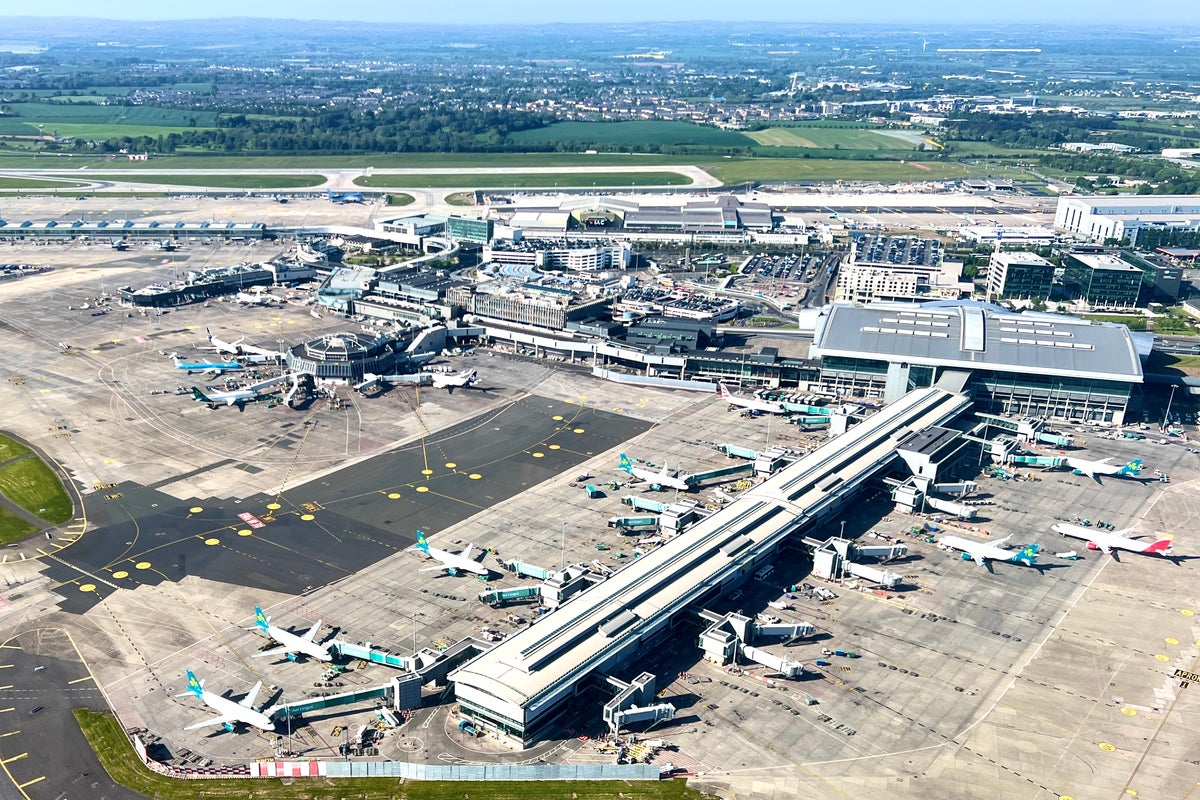 Aer Lingus to demand passports from passengers between Ireland and Great Britain
independent.co.uk
Aer Lingus to demand passports from passengers between Ireland and Great Britain
independent.co.uk
From 25 February 2026, Aer Lingus will require passengers travelling between Great Britain and the Republic of Ireland to carry a valid passport or Irish passport card, ending its practice of accepting other photo IDs such as work badges or student cards. The change brings Aer Lingus into line with Ryanair, while British Airways will continue to accept “recognised photographic identification” on its Ireland routes, according to The Independent.
On paper, the policy cuts against the logic of the Common Travel Area (CTA), the long-running arrangement that allows British and Irish citizens to move without passport controls between the UK, Ireland, the Isle of Man and the Channel Islands. The Irish government’s own guidance says there is “no requirement” for Irish and British citizens to carry passports within the CTA. But the CTA is a political agreement; an airline’s check-in desk is an operational chokepoint, and carriers can decide what documentation they will accept long before a border officer ever appears.
That is where borders tend to re-emerge: not through new legislation, but through private compliance routines shaped by liability and disruption risk. Airlines carry the cost of mistakes—delays at the gate, disputes over identity, fraud, and the downstream problem of transporting passengers who later cannot be admitted. A stricter ID standard reduces ambiguity and speeds decisions. Aer Lingus described the move as aligning requirements “across the rest of our network” and improving “operational performance,” language that points to process control rather than politics.
The second-order effects are practical and asymmetric. Ferry operators on Irish Sea routes are expected to keep accepting alternative IDs, The Independent reports, and there are still no checks between the Republic of Ireland and Northern Ireland. That means the same journey can be passport-optional by sea and passport-mandatory by air, even when the underlying legal right to travel is unchanged. It also creates a consumer trap: British Airways sells Aer Lingus flights via ba.com, and a passenger may buy an Aer Lingus ticket without realising the stricter document rule applies.
In a travel area built on low friction, the friction is now being priced into the private layer. The state can insist that no passport is required; the airline can still refuse to board you without one.
The CTA remains in place. The boarding gate is changing anyway.