
Boston Globe skips print edition for first time in 153 years
Blizzard makes Taunton plant and last-mile delivery unsafe, Newspaper becomes a supply chain that can fail overnight
Images
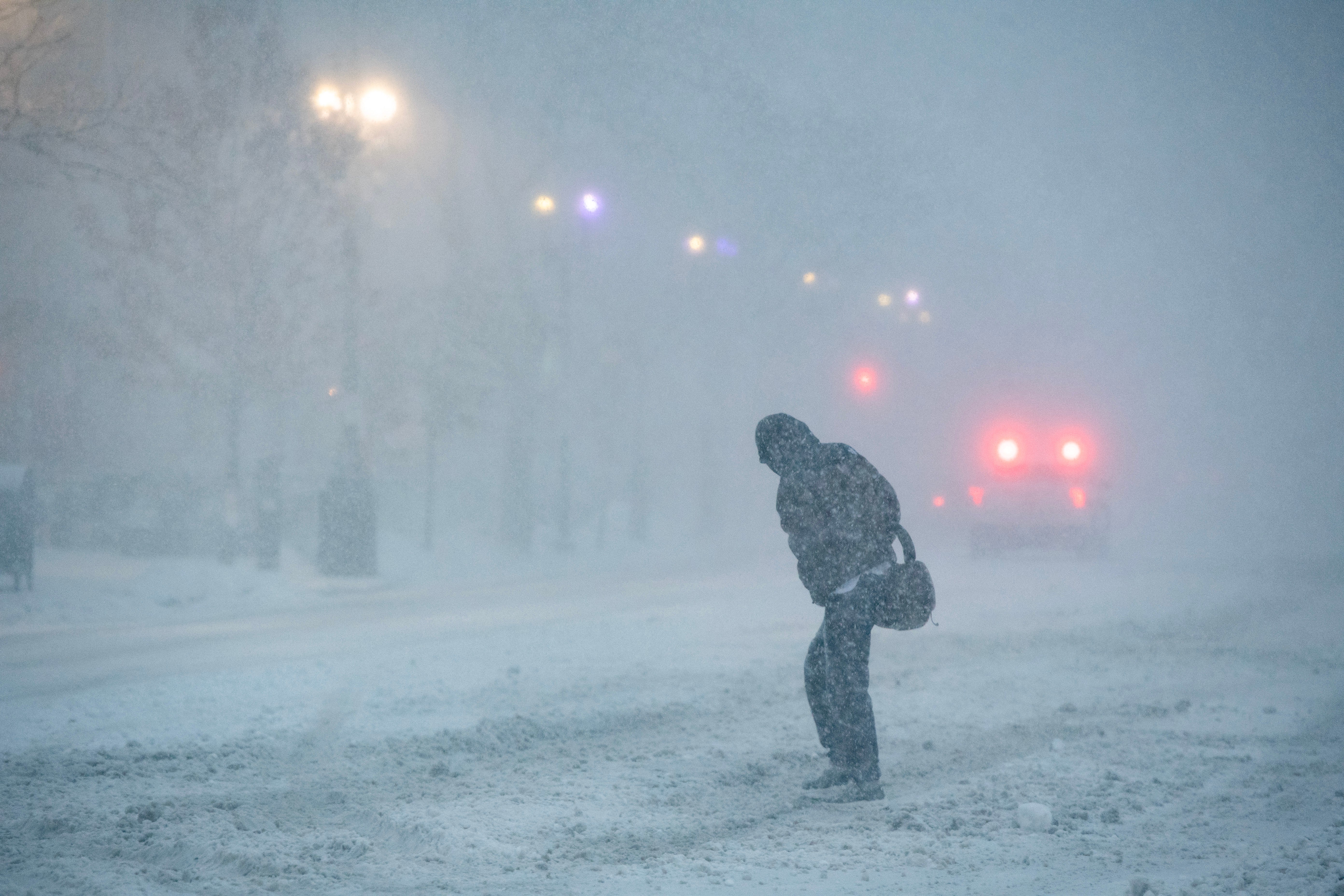 Globe executives determined it wasn’t safe to deliver the paper as Boston faced blizzard conditions (Joseph Prezioso / AFP via Getty Images)
Joseph Prezioso / AFP via Getty Images
Globe executives determined it wasn’t safe to deliver the paper as Boston faced blizzard conditions (Joseph Prezioso / AFP via Getty Images)
Joseph Prezioso / AFP via Getty Images
The Boston Globe did not print a daily edition on Monday night for the first time in its 153-year history, after a blizzard hit New England with whiteout conditions and travel bans. According to The Independent, Globe executives said they could not guarantee that a press crew could reach the Taunton, Massachusetts plant safely, or that delivery trucks could complete the “last mile” to subscribers.
The decision is easy to misread as a symbolic moment in the decline of print journalism. The Globe still produced Tuesday’s edition—written and laid out as usual—but planned to deliver it a day late, on Wednesday, and not stock stores. What failed was not reporting capacity but distribution: a physical product that only exists as a chain of timed handoffs, each one exposed to weather, road conditions, staffing and fuel.
That fragility has been building for years. Print newspapers used to run on slack: larger delivery networks, more local depots, more drivers, and the ability to absorb delays without collapsing the whole operation. As print circulation shrinks and costs rise, the system is tightened—fewer routes, thinner staffing, less redundancy, and less tolerance for disruption. In that environment, an extreme storm does not merely slow delivery; it can make the entire run irrational, because printing without a credible path to doorsteps turns the night’s work into waste.
The Globe’s own history underlines the shift. Past crises stopped presses through strikes in the 1950s and 1960s, and the Blizzard of 1978 left printed editions stranded in snow close to the plant. This time, management chose not to run the presses at all. One executive described a two-hour drive in a four-wheel-drive vehicle that included getting stuck, then watching a rescuer get stuck, and then encountering a half-buried fire truck immobilised on railroad tracks.
The wider implication is not that journalism disappears when paper stops, but that “the newspaper” has long been two businesses: an editorial operation and a logistics operation. Digital subscriptions preserve one; the other is increasingly a niche, high-cost delivery service whose economics depend on predictable conditions. When the weather becomes the binding constraint, the product’s identity shifts from civic ritual to supply-chain problem.
In Taunton, nearly three feet of snow reportedly left the Globe unable to deliver roughly 75% of Monday morning’s papers. On Monday night, the presses stayed quiet because the trucks could not be expected to move.