
Tourette tics audible during BAFTA broadcast
Host Alan Cumming explains on air, live TV standards meet involuntary speech
Images
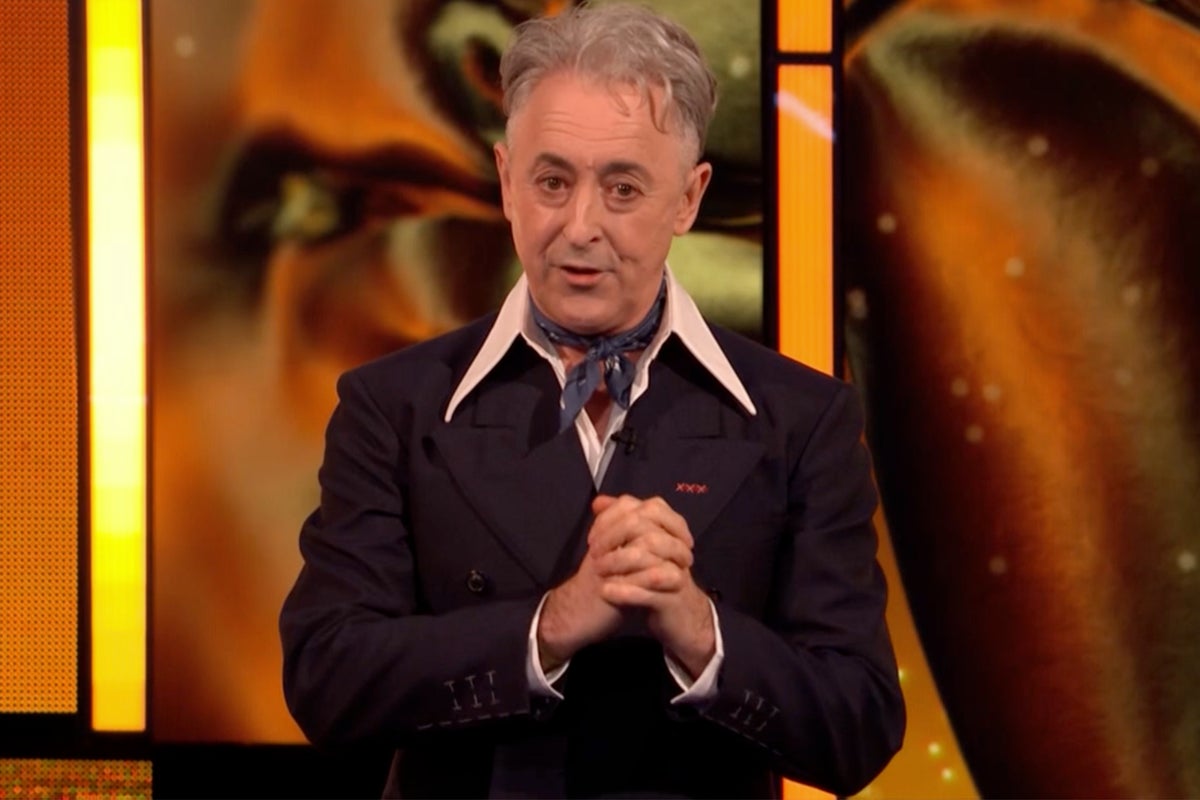 Alan Cumming addresses swearing as Bafta viewers hear tourettes tic from crowd
independent.co.uk
Alan Cumming addresses swearing as Bafta viewers hear tourettes tic from crowd
independent.co.uk
British viewers of the 2026 BAFTA Film Awards heard repeated shouted phrases and slurs during the live broadcast from London’s Royal Festival Hall. Host Alan Cumming interrupted the ceremony several times to explain that the outbursts were involuntary tics from Tourette syndrome, after audience members mistook them for heckling, according to The Independent.
The moment coincided with a high-profile win: actor Robert Aramayo, 33, took Best Actor for I Swear, a biographical drama about Scottish Tourette campaigner John Davidson, 54, who attended the ceremony. The Independent reports that Davidson’s vocal tics were audible throughout the programme, prompting on-air clarification from the host.
Tourette syndrome is a neurodevelopmental condition defined by multiple motor tics and at least one vocal tic persisting for more than a year, typically starting in childhood. The public image of Tourette’s is often dominated by coprolalia—uncontrolled swearing or socially inappropriate utterances—but clinical estimates generally place this symptom in a minority of cases. That gap between what is common and what is memorable is part of why a single audible tic can reframe an entire broadcast: the audience hears intention, while the condition is defined by the absence of voluntary control.
Live television production is built around the opposite assumption. Broadcast standards rely on predictable speech, controllable microphones, and the ability to cut away or bleep content quickly. In a hall full of open mics, audience ambience feeds, and sensitive language rules, an involuntary vocalisation becomes a technical and editorial problem at the same time: producers must decide whether to suppress the sound (and risk implying misconduct) or let it through (and risk violating compliance rules). The Independent notes that Cumming chose a third option—context—by repeatedly telling viewers what they were hearing.
That choice also exposes a quieter asymmetry. A studio can rehearse presenters and script jokes; it cannot rehearse a neurological condition in the audience. When an event is staged as a seamless product, any unplanned human element reads as disruption. The result is that the person least able to “comply” with the format carries the reputational risk, while the institution retains the power to explain, frame, or mute.
The BAFTA broadcast ended with the same practical fact it began with: a live audience includes bodies that do not follow cue cards, and microphones do not distinguish between deliberate heckling and a tic.