
Alaska Airlines cancels 24 Mexico flights
Unrest around Jalisco airports disrupts routes, security risk becomes a line item
Images
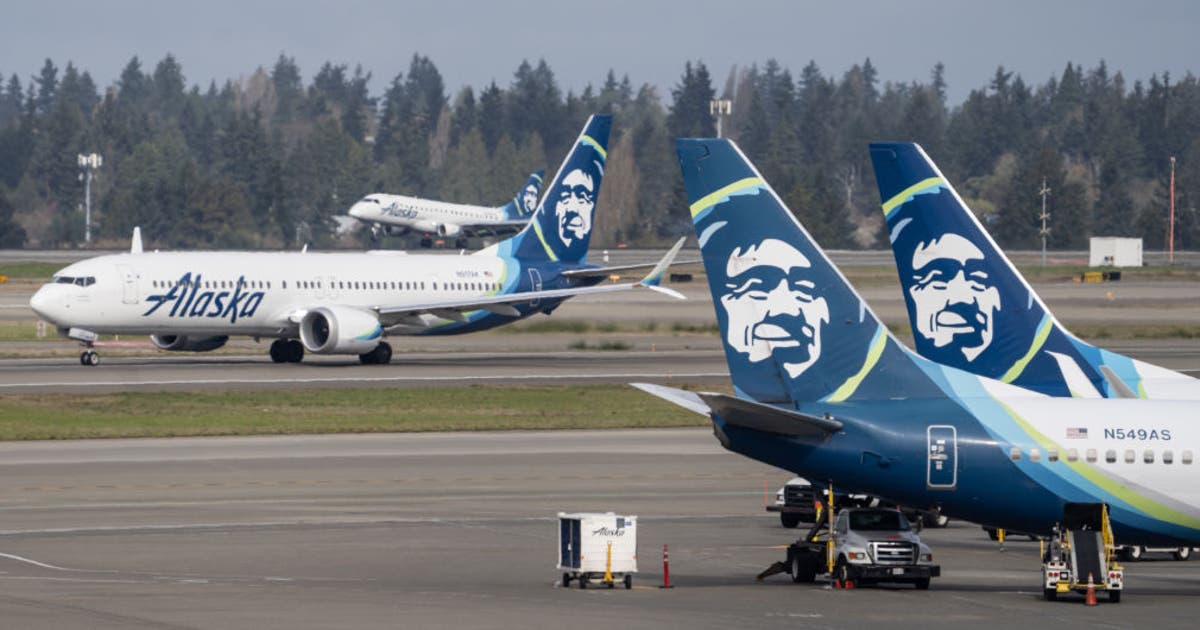 Alaska Airlines canceling flights due to civil unrest in Mexico
fox13seattle.com
Alaska Airlines canceling flights due to civil unrest in Mexico
fox13seattle.com
Alaska Airlines cancelled 24 flights to and from three Mexican cities on Sunday, citing “civil unrest near Mexican airports,” according to a company statement carried by Fox 13 Seattle. The cancellations affected routes to Puerto Vallarta, Guadalajara and Manzanillo, all in or near the state of Jalisco.
The disruption follows reports that Mexican authorities carried out a federal operation in which cartel leader Nemesio “El Mencho” Oseguera was killed, triggering roadblocks and violence across parts of the region. The US government also issued a security alert advising Americans in several states, including Jalisco, to shelter in place, Fox 13 reports.
For airlines, this is not a moral panic story but an operating-cost story. A route is not just a demand forecast and a fuel hedge; it is a chain of obligations to staff, insurers, airports and regulators. When the risk shifts from “background” to “active,” carriers either price it into tickets, reduce frequency, or pull capacity entirely—because the cost of getting it wrong shows up immediately as crew exposure, aircraft positioning problems, compensation claims and reputational damage.
The immediate cost is visible in cancellations and delays, but the longer bill is paid through higher risk premia. Insurers can raise premiums or tighten exclusions for travel disruption and corporate liability. Airlines can require more expensive contingency planning—standby crews, alternative routings, extra overnight capacity—turning what was a leisure corridor into a logistics problem.
The second-order effect falls on the places that sell “safe, frictionless” tourism. Resort regions compete on reliability: predictable airport access, low incident risk, and the ability to keep schedules. When those assumptions break, the market does not wait for official reassurances. Capacity can be redeployed to other destinations with similar demand profiles, while hotels, tour operators and local vendors in the affected areas absorb the revenue gap.
Meanwhile, the businesses that do not appear in holiday brochures can see demand rise. Private security providers, risk consultancies and specialist insurers benefit when companies have to buy their own protection and information. In practice, the state’s inability to guarantee baseline security becomes a line item in corporate travel budgets.
On Sunday, Alaska Airlines said it was working to rebook passengers “as quickly as possible” while monitoring the situation. The airline’s decision was not a statement about Mexico’s long-term travel market; it was a short operational move triggered by conditions around three airports on a single day.