
South Korea urges nationals to leave Iran
Embassy advisory signals strike risk more than rhetoric, Energy and insurance markets price war first
Images
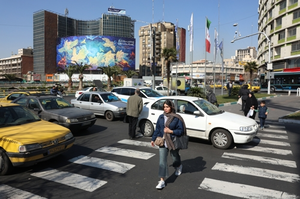 S. Korean Embassy advises Korean nationals to leave Iran amid possible US military strike
koreaherald.com
S. Korean Embassy advises Korean nationals to leave Iran amid possible US military strike
koreaherald.com
 US Mulling an ‘Off Ramp’ On Iran As Top General Advises Trump Iran Attack Would Be ‘Far More Difficult’ Than Venezuela: NYT
yahoo.com
US Mulling an ‘Off Ramp’ On Iran As Top General Advises Trump Iran Attack Would Be ‘Far More Difficult’ Than Venezuela: NYT
yahoo.com
South Korea’s embassy in Tehran has advised South Korean nationals to leave Iran, citing the risk of a possible US military strike, the Korea Herald reports. The advisory is a concrete step—tickets, routes, and consular capacity—rather than a rhetorical warning, and it comes as Washington debates how to increase pressure while keeping diplomatic channels nominally open.
Embassy warnings are part of how wars are priced in before they start. Airlines adjust schedules, insurers rewrite terms, and energy traders build a premium into oil and shipping rates when they see governments moving from “monitor the situation” to “depart now.” Unlike public statements by presidents and foreign ministries, consular guidance is tied to liability and to the practical question of who will be responsible for evacuations if commercial flights stop.
The timing also fits a pattern in which military preparation and diplomacy run in parallel rather than in sequence. A New York Times report relayed via Yahoo says the US is considering an “off ramp” for Iran even as senior US military voices warn that striking Iran would be far more difficult than past operations such as Venezuela. That combination—planning for escalation while advertising a pathway to de-escalation—allows Washington to claim it offered options regardless of what happens next.
For Iran, the problem is that any concession that looks reversible in Washington is difficult to sell at home. Tehran has repeatedly demanded sanctions relief and guarantees; US administrations can sign and later unwind deals. Zero Hedge, citing Iranian signalling ahead of talks, describes Tehran floating joint oil investment and a sanctions rollback wish list—offers that try to convert political risk into capital commitments. But the same risk that makes such deals attractive to Iran makes them hard for Western firms to touch without state backing.
Europe sits in the middle of the transaction. A conflict that disrupts Gulf shipping or tightens sanctions tends to raise energy costs in Europe quickly, while the political benefits of “being tough” accrue mainly in Washington. When the costs are transmitted via oil, insurance and freight, they arrive as higher household bills and higher input prices for industry, not as a line item in any defence budget.
The most revealing detail, for now, is not a speech but a consular instruction.
When an embassy tells its citizens to leave, it is preparing for the moment when planes stop flying.