
San Francisco judge struggles to seat jury in Elon Musk investor trial
Bloomberg Law says 40 jurors admit bias, Tech celebrity turns due process into a filtering problem
Images
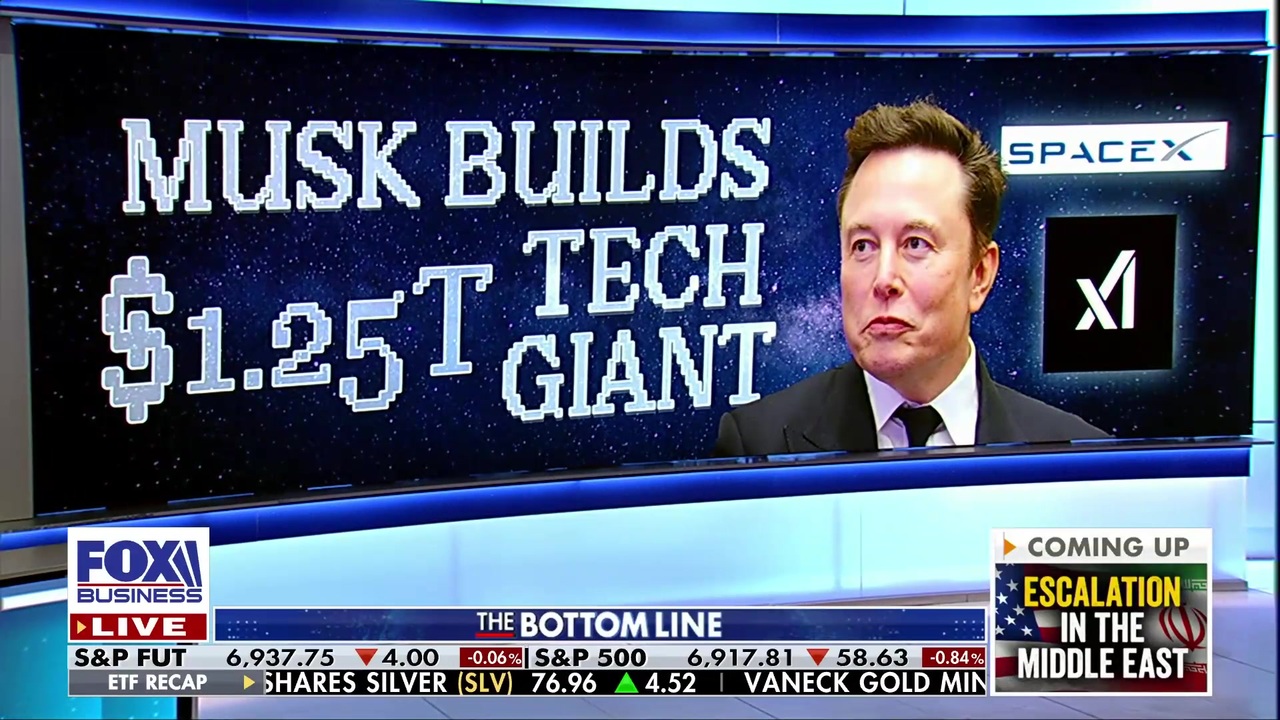 O'Leary Ventures chairman Kevin O’Leary discusses Elon Musk’s merger of xAI and SpaceX into a major technology giant worth over $1 trillion on ‘The Bottom Line.’
foxbusiness.com
O'Leary Ventures chairman Kevin O’Leary discusses Elon Musk’s merger of xAI and SpaceX into a major technology giant worth over $1 trillion on ‘The Bottom Line.’
foxbusiness.com
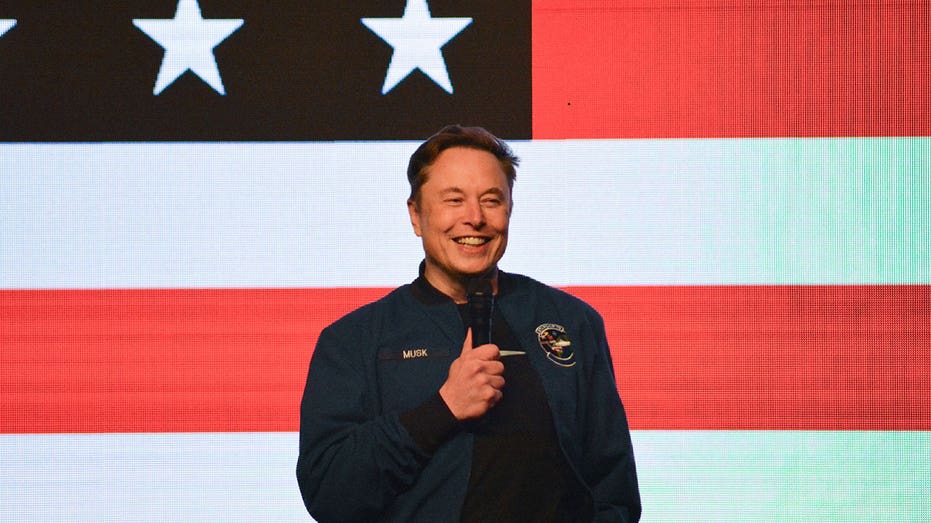 elon musk in wisconsin
foxbusiness.com
elon musk in wisconsin
foxbusiness.com
 The X (Twitter) logo app store
foxbusiness.com
The X (Twitter) logo app store
foxbusiness.com
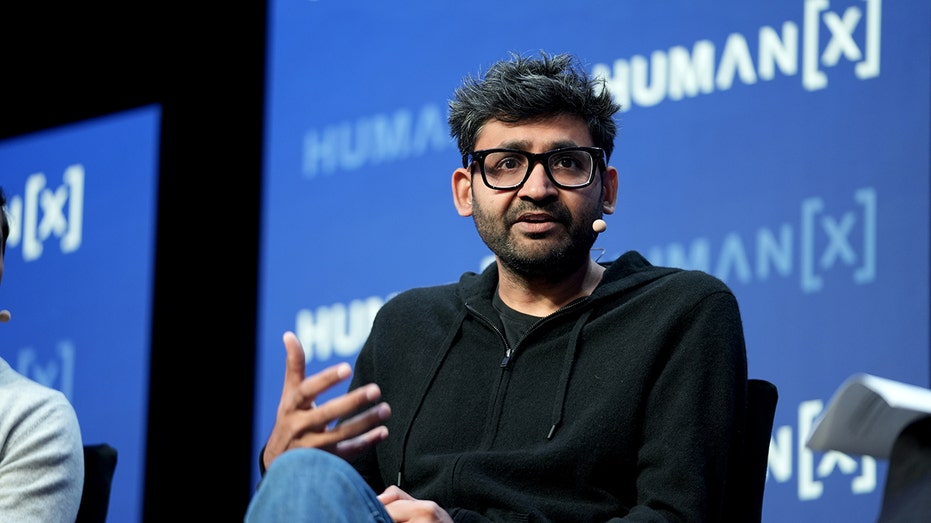 Parag Agrawal
foxbusiness.com
Parag Agrawal
foxbusiness.com
A federal judge in San Francisco spent more than five hours on Thursday trying to seat a jury for an investor class-action trial against Elon Musk, only to end the day with nine jurors selected from an initial pool of 93, according to Bloomberg Law as cited by Fox Business. Nearly 40 prospective jurors were dismissed early after saying they could not be impartial, with several volunteering broad objections to billionaires or to Musk’s management of Twitter/X.
The case, scheduled to begin March 2, concerns claims that Musk violated securities law in 2022 by publicly wavering on his agreement to buy Twitter, allegedly pushing the company’s share price down during negotiations. U.S. District Judge Charles Breyer told the courtroom that finding people with “no opinion” about Musk would be close to impossible, likening the task to trying to find jurors with no views about a president.
The jury-selection struggle is a procedural detail, but it points to a larger shift in how high-profile technology disputes are tried. In cases involving platform owners, electric-vehicle makers, or AI companies, a juror’s daily information diet is part of the evidentiary environment: people arrive with years of algorithmically curated impressions, not a blank slate. In this pool, one prospective juror said he disagreed “with the existence of billionaires”; another said she hated Musk’s decision to fire content moderators after taking over Twitter; a third said that if the case were criminal he would feel a “moral obligation” to convict Musk. Those statements are not about the alleged securities conduct at issue; they are about the defendant as a symbol.
That creates practical incentives for both sides. Plaintiffs and defendants can treat the selection process as a proxy battle over narrative—less about what happened in 2022 than about whether Musk is seen as a builder, a bully, or a political actor. Musk’s lawyer, Stephen Broome of Quinn Emanuel, told the court the hostility was so widespread that the parties were “becoming desensitized,” Bloomberg Law reported.
The same dynamic cuts both ways. Fox Business notes that one juror who called Musk a “brilliant scientist” who has helped humanity was also dismissed. In a courtroom, strong admiration is as disqualifying as strong dislike, but the symmetry is revealing: the technology CEO has become a category in the public mind, and categories are hard to cross-examine.
The trial is expected to last about three weeks. Musk may testify, as may former Twitter CEO Parag Agrawal.
By Thursday evening, the panel included a salesperson, a mechanical engineer and a university IT worker—after the court had spent most of the day filtering out people who said they already knew what kind of man they were judging.