
Denmark evacuates US submarine crew member near Greenland
Reuters reports, Routine medevac highlights how services become access
Images
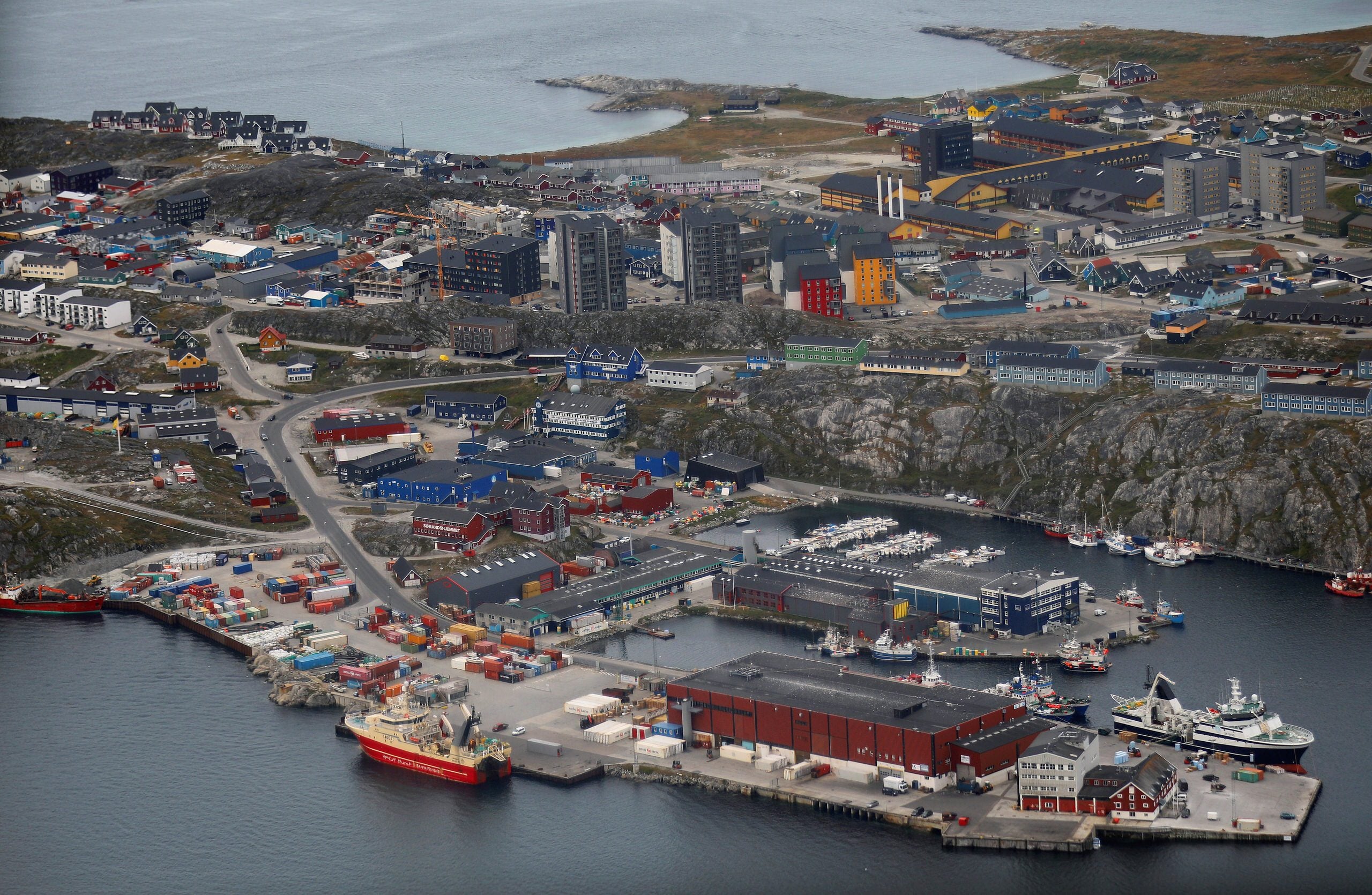 Denmark Evacuates US Submarine Crew Member In Greenlandic Waters
gcaptain.com
Denmark Evacuates US Submarine Crew Member In Greenlandic Waters
gcaptain.com
Denmark’s authorities evacuated a US submarine crew member in Greenlandic waters this week, according to Reuters, a routine medical move that lands in the middle of a larger argument about who provides services in the Arctic and who gets to stay.
The incident comes as Washington tries to expand its footprint around Greenland through offers framed as practical help—ports, logistics, emergency response, and “humanitarian” capacity—while Copenhagen insists the island’s sovereignty is not up for negotiation. Denmark has already rejected a US offer to send a hospital ship to Greenland, an episode previously reported in this news cycle, arguing that the assistance was unnecessary and politically loaded.
The mechanics matter. In remote regions, the state that can move patients, refuel ships, and run search-and-rescue effectively controls the timetable of operations. A medevac is not a base agreement, but it uses the same chain: communications links, aviation access, coordination with local authorities, and the expectation that the host will smooth the way. Once those channels exist, they become the default route for the next request—another evacuation, a ship needing repairs, a temporary berth that turns into a regular call.
For Denmark and Greenland, the dilemma is structural. Turning down help can look like refusing safety; accepting it can quietly transfer leverage. The costs are also asymmetric: a host government must staff, regulate, and politically defend the arrangement, while the visiting power can treat each mission as an isolated necessity. Over time, “case-by-case” becomes a pattern, and patterns become rights.
The same dynamic plays out in civilian infrastructure. A country that provides the helicopters, the clinics, and the emergency planners can present itself as indispensable without ever announcing a strategic bargain. The bill is paid in small operational concessions rather than in a single parliamentary vote.
Reuters’ report describes one crew member leaving the submarine and being taken for medical care. Denmark did not announce a new basing deal, a new treaty, or a new mandate.
It did, however, run the logistics.