
US Iran nuclear talks set for Geneva
Oman brokers next round as Trump demands zero enrichment, military buildup makes compromise costlier
Images
 Oman says next US-Iran talks will be Thursday in Geneva
wtop.com
Oman says next US-Iran talks will be Thursday in Geneva
wtop.com
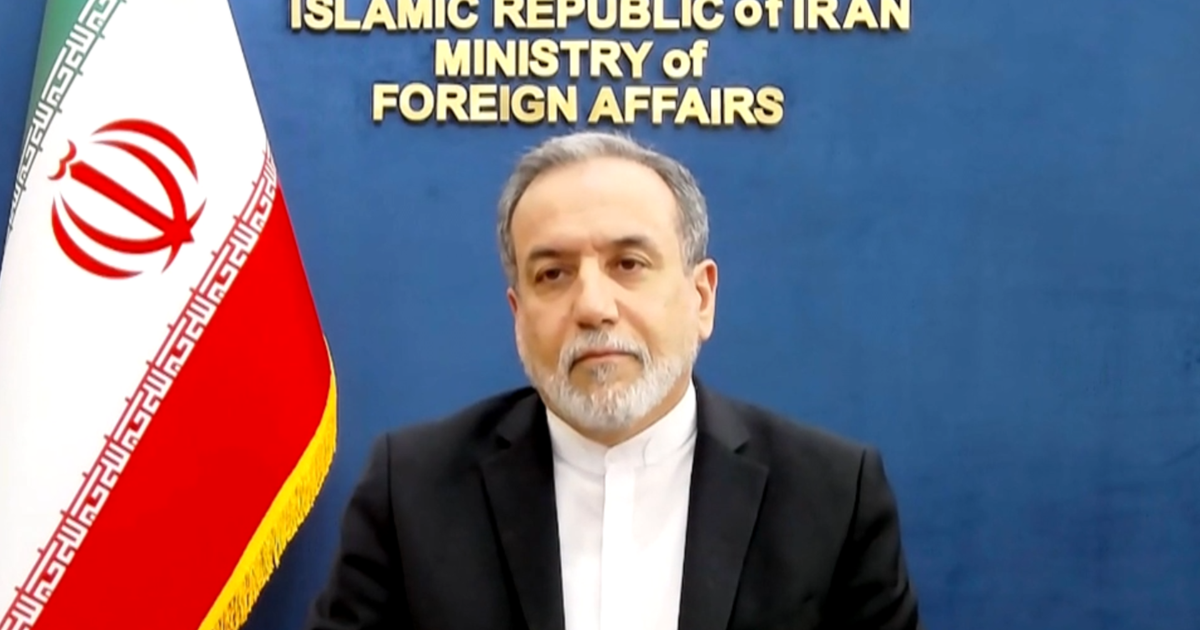 Transcript: Iranian Foreign Minister Abbas Araghchi on "Face the Nation with Margaret Brennan," Feb. 22, 2026
cbsnews.com
Transcript: Iranian Foreign Minister Abbas Araghchi on "Face the Nation with Margaret Brennan," Feb. 22, 2026
cbsnews.com
Iranian and US negotiators are expected to meet again on Thursday in Geneva, with Oman acting as an intermediary, according to WTOP. The talks come as Washington has surged naval and air assets into the region and as Tehran’s foreign minister, Abbas Araghchi, tells CBS News that a deal could be drafted quickly while dismissing the military buildup as irrelevant pressure.
The negotiating positions are already framed in absolutes. The Trump administration has publicly demanded “zero enrichment” — a slogan that reads clean in domestic politics but collides with Iran’s insistence on sovereign control over its nuclear material and facilities. Araghchi told CBS the discussions are “focused solely on nuclear issues” and that “there is no other subject,” a narrowing that keeps Iran from trading away regional leverage while also reducing the menu of compromises available to both sides. Oman’s role helps both capitals manage the optics: Washington can say it is not bargaining directly with Tehran, while Iran can claim it is not conceding under face-to-face pressure.
What changes the texture of the diplomacy is not the talking points but the logistics. A visible US force package — carriers, destroyers, air defenses, and the supply chain that makes them operational — signals resolve to allies and adversaries, but it also creates a political bill if nothing happens. Once ships are moved, bases are reinforced, and deadlines are announced, backing down looks less like prudence and more like retreat. Tehran understands this dynamic and has its own version: by publicly stating it will respond to “aggression” and by treating enrichment as a national right, it makes any technical concession look like a loss of sovereignty rather than a trade for sanctions relief.
Deadlines serve the same function. Trump’s short timetables compress decision-making and reduce room for quiet de-escalation; Iran’s promise that a draft could be ready “in the next few days” raises expectations it can later blame on Washington if talks fail. Each side is using time pressure to bind itself to a harder line, then presenting that self-imposed rigidity as the other side’s fault.
Thursday’s Geneva meeting is scheduled, the ships are already in place, and the public positions are set. The remaining question is whether either party can accept an outcome that looks, on television, like it gave the other side control of the cylinders.