
Labour Together PR contractor probes Guardian reporter
Apco dossier work sparks ethics and standards inquiries, Political scrutiny outsourced as consultancy line item
Images
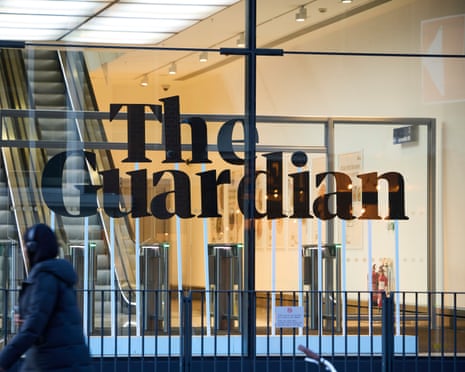 The Guardian’s offices in London. Photograph: David Levene/The Guardian
theguardian.com
The Guardian’s offices in London. Photograph: David Levene/The Guardian
theguardian.com
Labour Together, the thinktank that helped build the campaign machine behind Keir Starmer’s leadership win, is facing fresh scrutiny after reports that a lobbyist linked to its earlier “investigation” of journalists has been making inquiries about a Guardian reporter. The Guardian reports that Tom Harper, a senior director at US public affairs firm Apco, was asking about investigations correspondent Henry Dyer as recently as last week.
Harper previously authored a 58-page report for Labour Together examining journalists involved in a 2023 Sunday Times story about undisclosed donations to the thinktank. That report, commissioned for £36,000, alleged—without evidence—that the reporting was based on hacked Electoral Commission data and suggested a Russian connection, according to the Guardian. It also mapped the religious and ideological views of some journalists and sources.
The alleged follow-on interest in Dyer matters because it shows what “arm’s-length” looks like in practice. A political organisation does not need to run its own intelligence unit to put reporters under a microscope; it can buy a product from a PR firm, receive a dossier, and keep formal distance from the methods used to produce it. If the work later becomes embarrassing, the commissioning side can describe it as an external error, while the contractor can describe it as routine “research.”
The Guardian says the Sunday Times reported Harper has been suggesting—again without evidence—that Dyer could be part of a wider pro-Russia campaign. Apco is already being investigated by the Public Relations and Communications Association’s standards committee over its research into journalists.
Inside government, the affair has created a second track: Josh Simons, now a Cabinet Office minister, was director of Labour Together when it commissioned Apco’s work. The Guardian reports there are calls for Starmer to sack Simons, and that he is already the subject of a Whitehall ethics inquiry. Previous reporting by the Guardian said Simons and his chief of staff contacted the National Cyber Security Centre, part of GCHQ, with claims that journalists had obtained information through a Russian hack; a spokesperson for Simons said those claims were untrue.
The episode sits at the intersection of a struggling media economy and a professionalised influence industry. Reputation attacks are cheap relative to policy wins, and they scale. A thinktank can reframe scrutiny as foreign interference; a PR firm can translate that into briefings, insinuations, and background checks; and the target—an individual reporter—has to spend time proving a negative.
Labour Together was fined more than £14,000 by the Electoral Commission for failing to declare funding related to the 2023 donations story, the Guardian notes. The argument over who asked what about which journalist now runs alongside the original question of who paid for political influence—and why it was not disclosed.
Harper’s report ran to 58 pages. The Electoral Commission’s fine was four figures. The incentive to keep investigating the investigators is obvious.