
Syria empties al-Hol camp
Islamic State families move from desert detention to national courtrooms, countries that refused repatriation lose their holding pen
Images
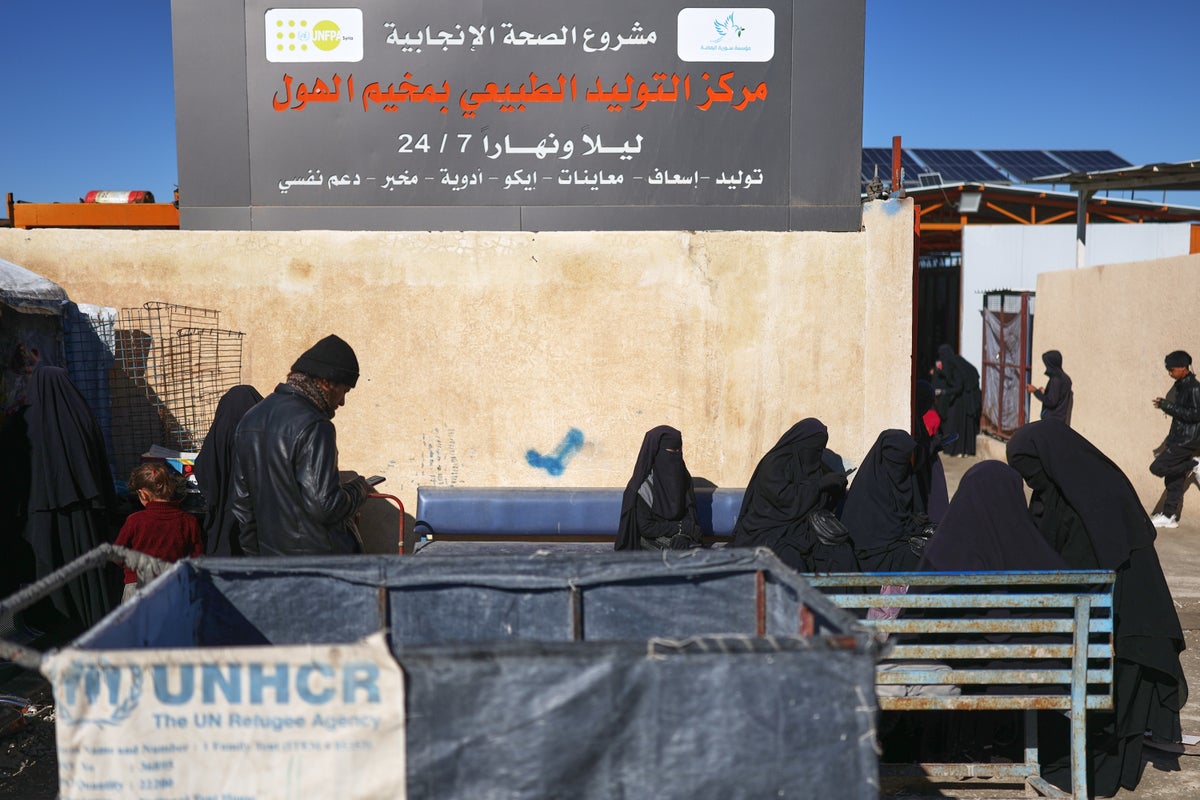 A notorious camp in Syria tied to alleged IS families is emptied as final convoy departs
independent.co.uk
A notorious camp in Syria tied to alleged IS families is emptied as final convoy departs
independent.co.uk
The last convoy left Syria’s al-Hol camp on Sunday morning, according to camp administrators cited by the Associated Press via The Independent. Once home to about 73,000 people after Islamic State’s territorial defeat in 2019, al-Hol held roughly 24,000 last month, mostly Syrian and Iraqi women and children, plus more than 6,000 foreigners from around 40 nationalities.
Al-Hol was never formally a prison, but it functioned as one: years of de facto detention in a remote desert site, guarded heavily and politically convenient. Keeping families in one fenced location spared governments the cost and political risk of repatriation, prosecution, welfare provision, and long-term monitoring. The burden sat with local authorities and aid agencies, while European capitals could say the problem was being “contained” without having to decide whether the residents were victims, suspects, or both.
That arrangement depended on a stable chain of custody. The Independent reports that Syrian government forces captured the camp last month during a weekslong offensive against the Kurdish-led Syrian Democratic Forces (SDF), which had run the camp for a decade near the Iraqi border. A ceasefire ended the fighting, but the period of transition also created the simplest kind of jailbreak: families slipping away “individually” rather than through organised convoys, as the Syrian Observatory for Human Rights claimed.
The closure now forces hard choices onto states that had avoided them. The UN refugee agency said it helped return 191 Iraqi citizens from al-Hol to Iraq last week, highlighting the only workable exit route: a government willing to receive its own citizens and pay for reintegration, surveillance, or detention at home. For non-Iraqis, the pipeline is thinner. The fate of the smaller Roj camp—still under SDF control and largely filled with foreigners—remains unclear, and The Independent notes that Syrian authorities recently turned back a group of 34 Australian women and children who were travelling to Damascus to fly home.
The official explanation was “lack of prior coordination” with Damascus. The practical meaning is jurisdiction: whoever controls the roads and airports controls repatriation. When al-Hol existed, responsibility could be outsourced to a guarded perimeter. As it disappears, the costs shift to national governments, local police forces, courts, and social services—systems built for individual cases, not thousands of politically radioactive returns.
Al-Hol is empty now, but the people it concentrated have not vanished. They have merely been redistributed—into Iraq, into other camps, and, in some cases, into the Syrian desert.