
Waymo unveils cheaper sixth-generation robotaxi hardware
Custom chips cut camera count and widen vehicle options, scaling pressure shifts from sensors to operations and liability
Images
 Waymo resumes service after power outage leaves robotaxis stalled
foxnews.com
Waymo resumes service after power outage leaves robotaxis stalled
foxnews.com
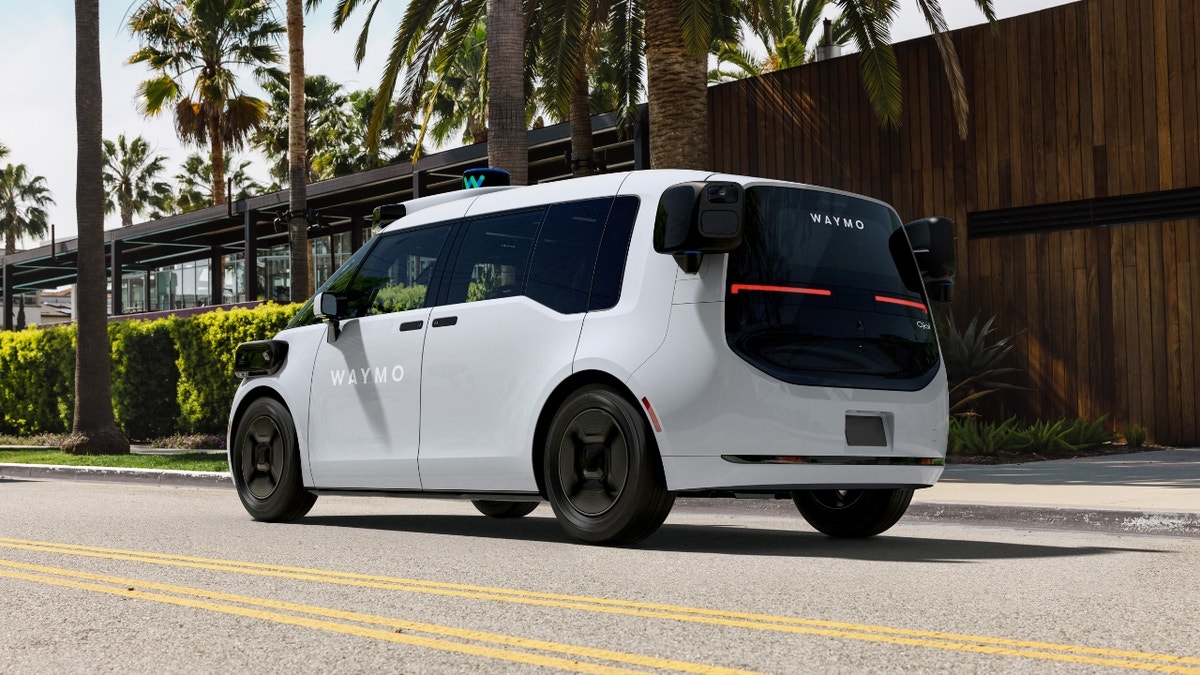 Waymo’s new sixth-generation
foxnews.com
Waymo’s new sixth-generation
foxnews.com
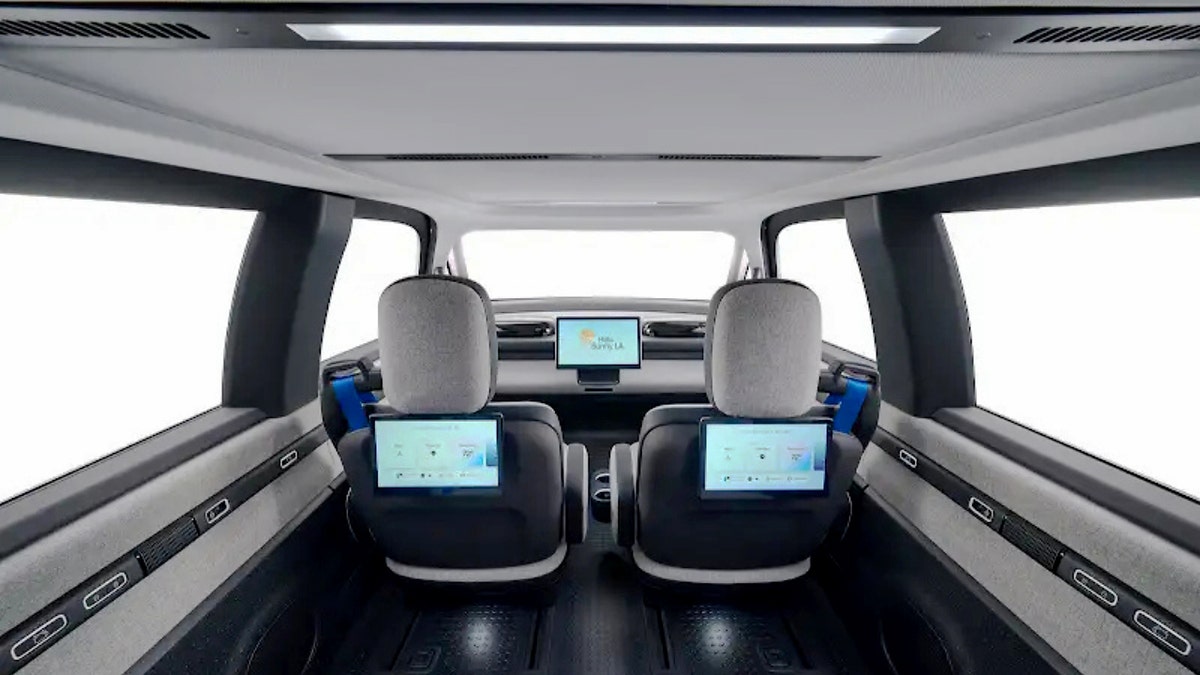 Waymo’s new sixth-generation interior
foxnews.com
Waymo’s new sixth-generation interior
foxnews.com
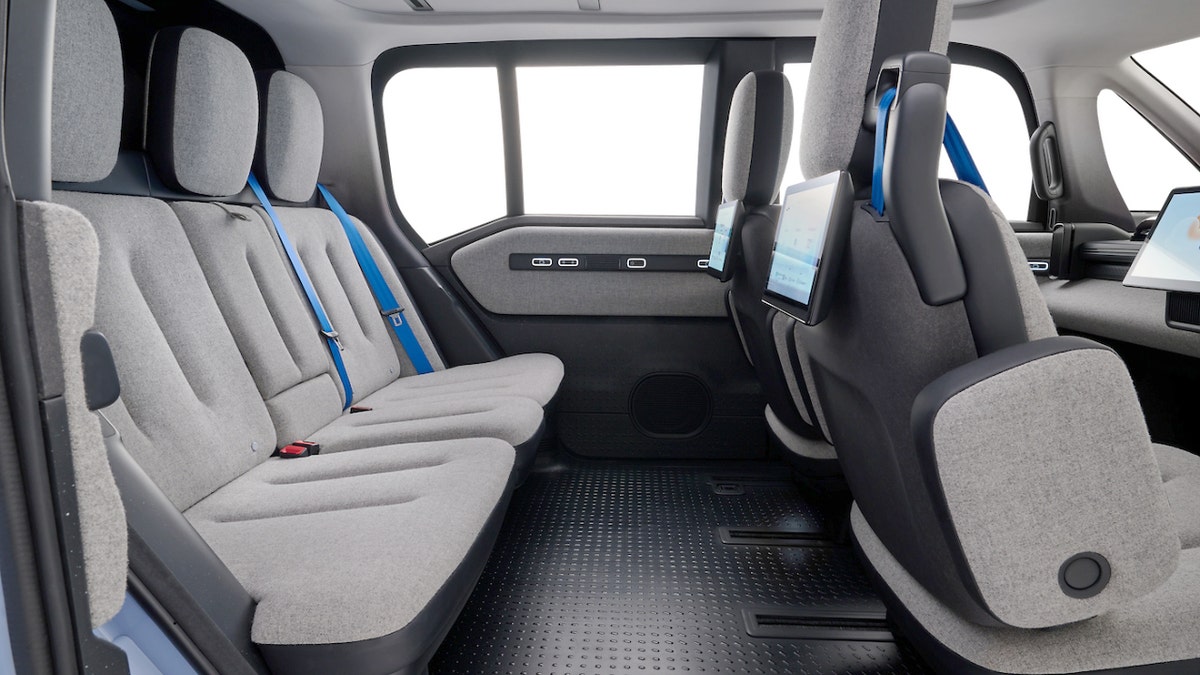 Waymo’s new sixth-generation interior
foxnews.com
Waymo’s new sixth-generation interior
foxnews.com
Waymo says its new sixth-generation “Waymo Driver” hardware uses fewer cameras, more custom silicon, and costs less to build—changes the company argues will let it scale robotaxi service beyond today’s limited footprints in San Francisco, Phoenix and Los Angeles. According to Fox News, the system will debut in a Zeekr-built Ojai electric minivan, with Hyundai Ioniq 5 models planned later, as Waymo ramps a Phoenix-area facility to produce “tens of thousands” of driver kits annually.
Cheaper sensors do not remove the hard part of driverless transport; they move it. A lower-cost stack makes it easier to put more vehicles on the road, but each additional city still requires a dense layer of operational constraints: mapping, geofencing, remote assistance workflows, incident response, and a liability chain that can survive a headline. When a service expands from a few carefully managed districts to “20 additional cities,” as Waymo reportedly plans this year, the bottleneck becomes less about whether the vehicle can see and more about whether the operator can prove—after the fact—what it saw, what it decided, and who signed off on the software version that made the decision.
Waymo’s approach remains “multi-sensor” rather than camera-only: 16 high-resolution cameras, lidar, radar, and external audio receivers intended to detect sirens and trains, plus cleaning systems for key sensors, Fox reports. That redundancy is expensive, but it also creates a different kind of dependency: a fleet that is only as reliable as its maintenance routines, sensor calibration, and the remote teams that intervene when the car encounters an edge case it cannot confidently resolve. Those interventions are not a side feature; they are a staffing model, a training pipeline, and a regulatory argument rolled into one.
As the hardware gets cheaper, the political economy changes too. Cities that once treated robotaxis as a novelty now face an operator that can plausibly flood the streets with vehicles and then negotiate from a position of sunk-cost leverage: curb access, pickup zones, data-sharing terms, and enforcement priorities. The public sees “driverless,” but the system is still a blend of software, human escalation, and insurance pricing—where a single high-profile crash can reprice an entire expansion plan.
Waymo can reduce the cost of its sensor suite in a factory. It cannot factory-produce a clean answer to who is responsible when an over-the-air update meets a local traffic pattern it was never trained on.